
Non-Destructive Testing and Internal Inspection of Concrete and Reinforced Concrete Structures, Floor Slabs, and Underlying Foundation Soils Using Ground-Penetrating Radar (GPR)
During quality control and acceptance inspections of cast-in-place and precast-cast-in-place concrete and reinforced concrete structures, the following tasks are frequently required:
— Determination of geometric characteristics such as thickness of monolithic reinforced concrete foundation slabs and pile caps, basement walls, retaining walls, and diaphragm walls, including cases where only single-sided access to the structure is available;
— Detection of cold joints (delaminations, inclined layering) in monolithic reinforced concrete foundation slabs, pile caps, basement walls, retaining walls, and diaphragm walls, including under single-sided access conditions;
— Identification of hidden internal defects in concrete, such as cracks, voids, cavities, and zones of insufficient compaction in monolithic reinforced concrete foundation slabs, pile caps, walls, piers, columns, and floor/roof slabs, including when only single-sided access is possible;
— Locating reinforcement cage elements in reinforced concrete structures (including vertical and horizontal main reinforcement bars in piers and columns, and top/bottom reinforcement mats in floor and roof slabs) and determining reinforcement parameters (bar spacing, concrete cover depth, number of reinforcement layers);
— Providing technical support and assistance during the acceptance of completed monolithic concrete and reinforced concrete structures in compliance with Working Documentation (WD) and applicable regulatory standards;
— Minimizing the number of exploratory openings for concrete cover inspection or core sampling locations during technical surveys of concrete and reinforced concrete structural elements, thereby reducing invasive interventions while enabling assessment of internal structural integrity.
Ground-Penetrating Radar (GPR) Survey of Floor Slabs, Underlying Floor System Layers, and Surrounding Foundation Soils—with Geological Cross-Section Interpretation Enables:
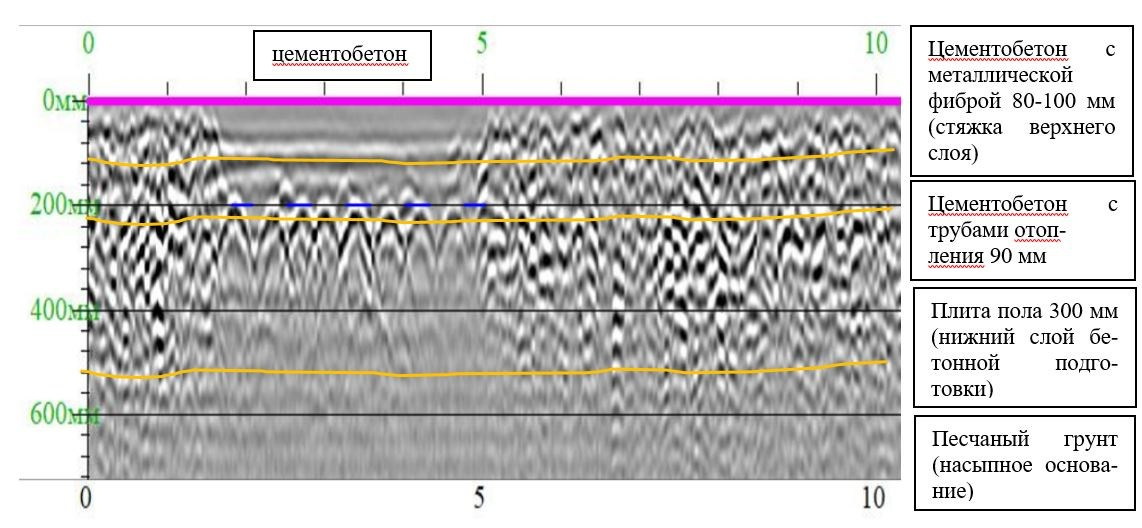
— Detection of voids and zones of reduced density between layers of the floor system;
— Identification of voids and loose zones within the surrounding foundation soils beneath the floor system;
— Locating embedded reinforcement, metallic pipes, and utility lines within concrete and reinforced concrete floor structures (floor systems);
— Detecting metallic pipes and utility infrastructure within the surrounding foundation soils beneath the floor system.
Ground-Penetrating Radar (GPR) Survey of Foundation Slabs, Mat Foundations, and Surrounding Foundation Soils with Geological Cross-Section Interpretation Enables:
— Determination of geometric characteristics including thickness of monolithic concrete and reinforced concrete foundation slabs and mat foundations, even under single-sided access conditions;
— Detection of cold joints (delaminations, inclined layering) in monolithic concrete and reinforced concrete foundation slabs and mat foundations, including under single-sided access;
— Locating reinforcement cage elements (vertical and horizontal main reinforcement bars in top and bottom reinforcement mats of foundation slabs and mat foundations) and determining reinforcement parameters (spacing, concrete cover depth, number of reinforcement layers);
— Detection of voids and zones of reduced density in the surrounding foundation soils beneath monolithic concrete and reinforced concrete foundation slabs and mat foundations;
— Identification of embedded reinforcement, metallic pipes, and utility lines within monolithic concrete and reinforced concrete foundation slabs and mat foundations;
— Detection of metallic pipes and utility infrastructure within the surrounding foundation soils beneath these structural elements.
METHODOLOGY
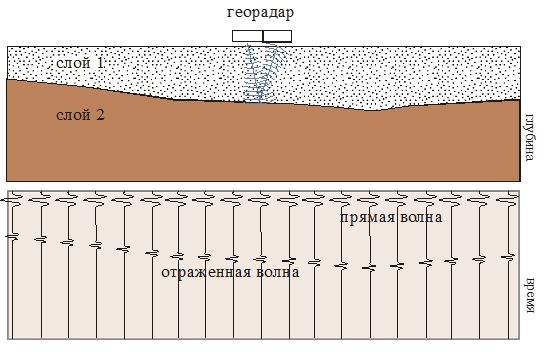
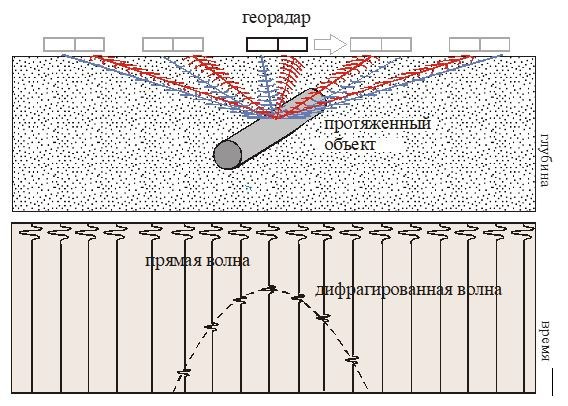
Ground-penetrating radar (GPR), also referred to as georadar, is a geophysical technique based on the analysis of high-frequency electromagnetic wave propagation through a medium.
The operating principle of GPR systems involves the emission of ultra-wideband radio pulses and the subsequent recording of reflected signals generated by contrasts in the electro-physical properties (e.g., dielectric permittivity, electrical conductivity) of subsurface materials.
The GPR antenna functions alternately as both a transmitter (“source”) and a receiver, emitting electromagnetic waves into the medium and capturing those reflected from internal interfaces or anomalies.
Depending on the specific inspection objective ranging from locating reinforcement bars and internal concrete defects to delineating pavement layers or geological features—antennas with different center frequencies are selected to optimize resolution and penetration depth.
Due to the high pulse repetition rate, near-continuous spatial coverage along the survey profile is achieved. The recorded signals are transferred to a personal computer for post-processing and interpretation.
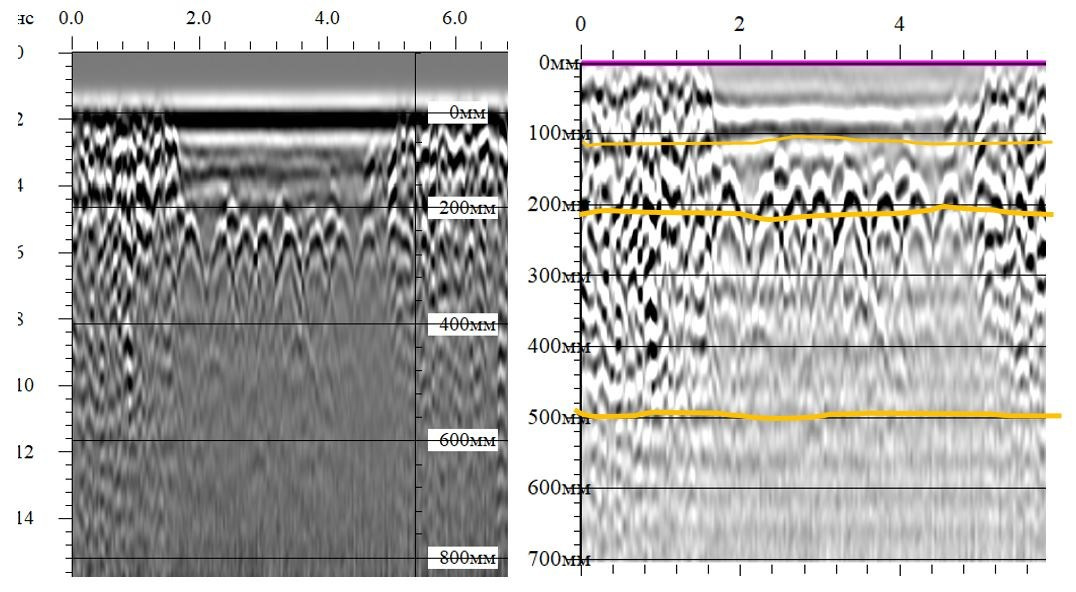
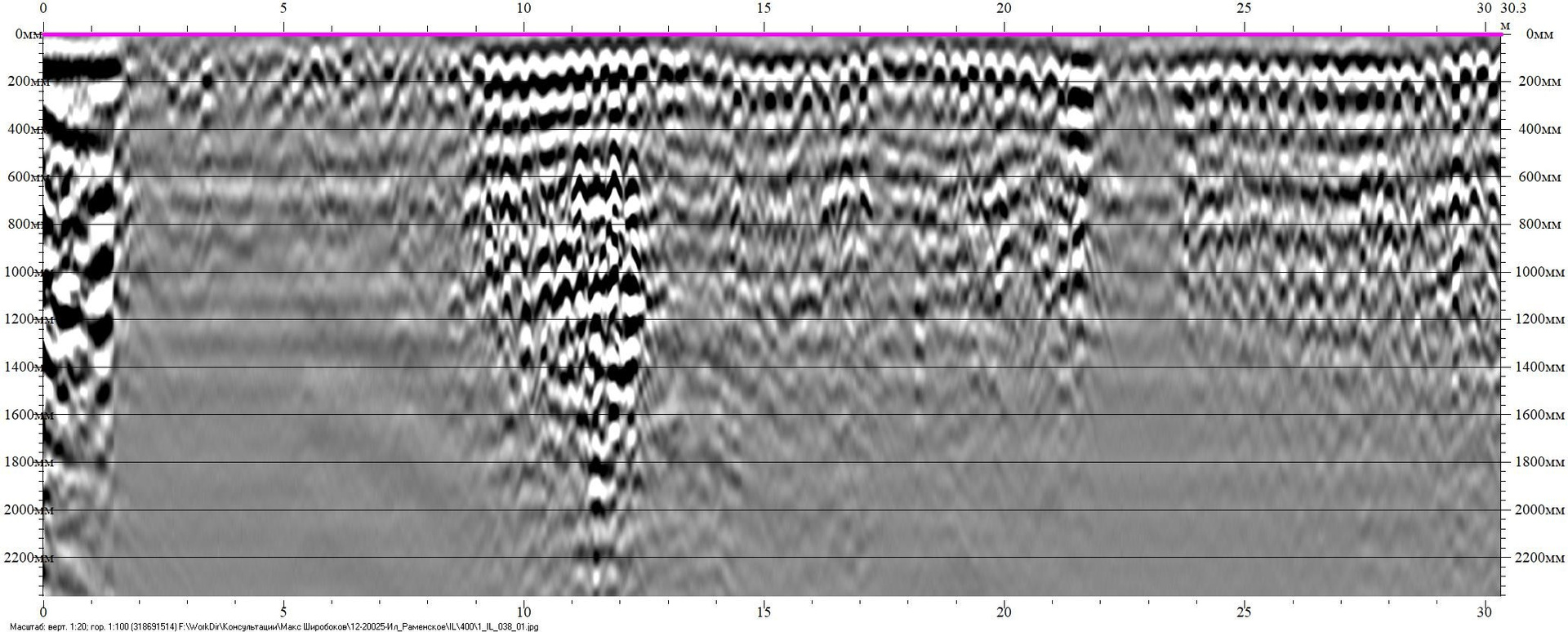
Survey results are presented as radargrams—cross-sectional plots along measurement profiles—highlighting anomalous zones and structural features of the investigated medium.
Additional insights into relative variations in the medium’s electro-physical properties can be obtained through attribute analysis.
This includes computing attributes such as normalized spectral energy area, weighted-average frequency, cross-correlation, and others within a moving time window.
Such analysis enables the identification of areas exhibiting increased heterogeneity, such as moisture ingress zones, buried utilities, or other subsurface anomalies.

EQUIPMENT
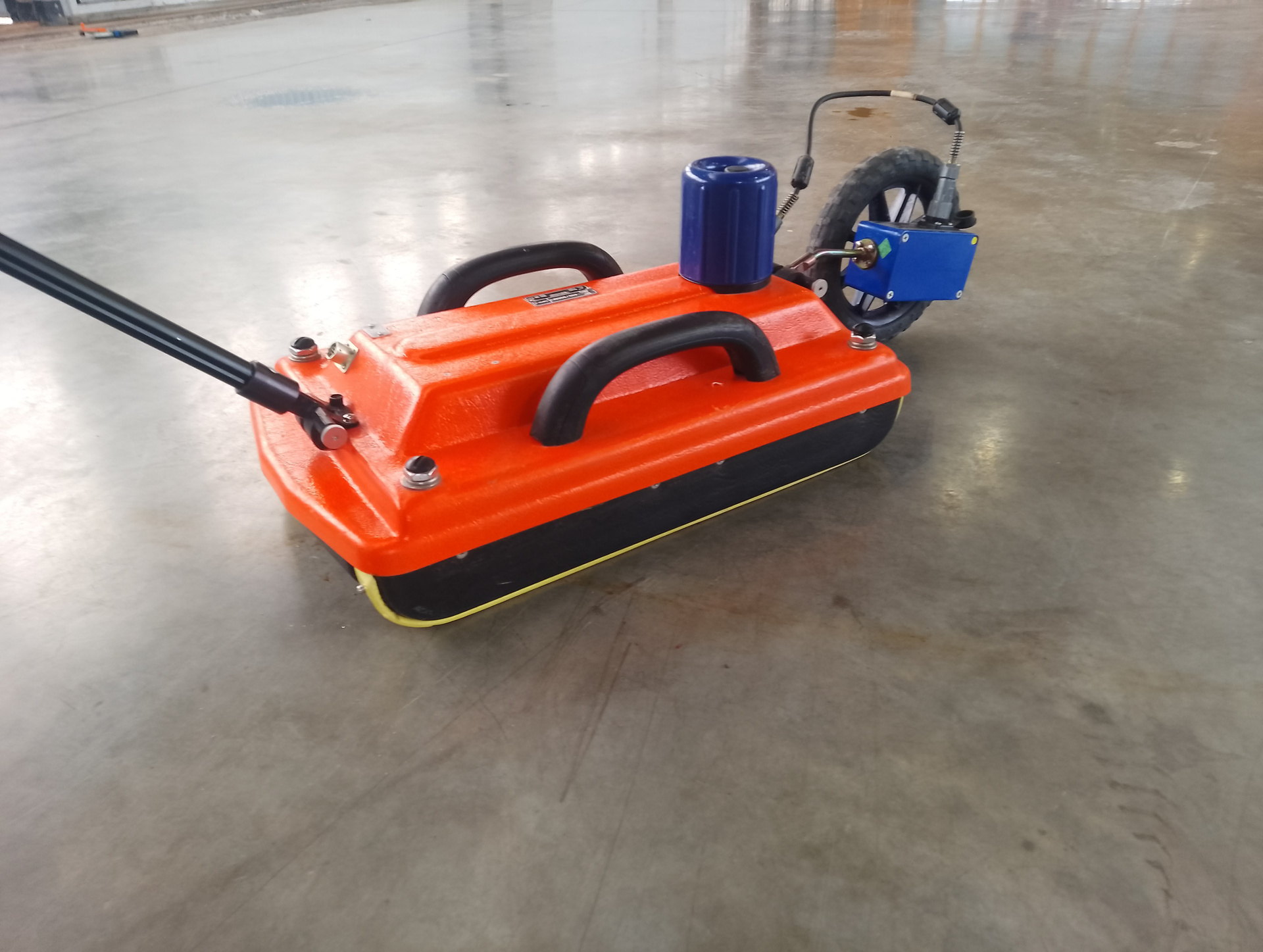
The selection of radar units is determined by the specific inspection objective and is based on the central frequency of the antenna system.
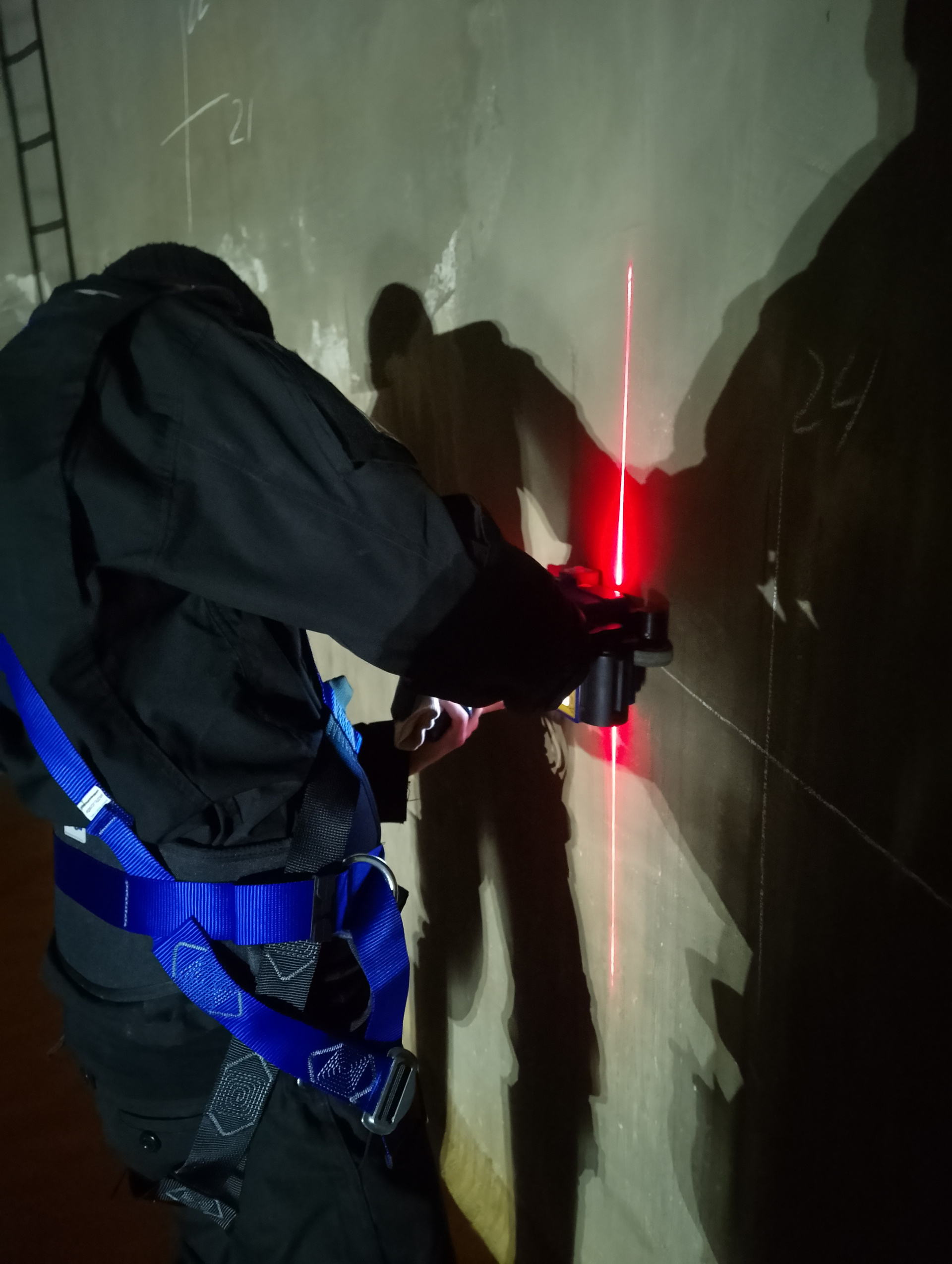
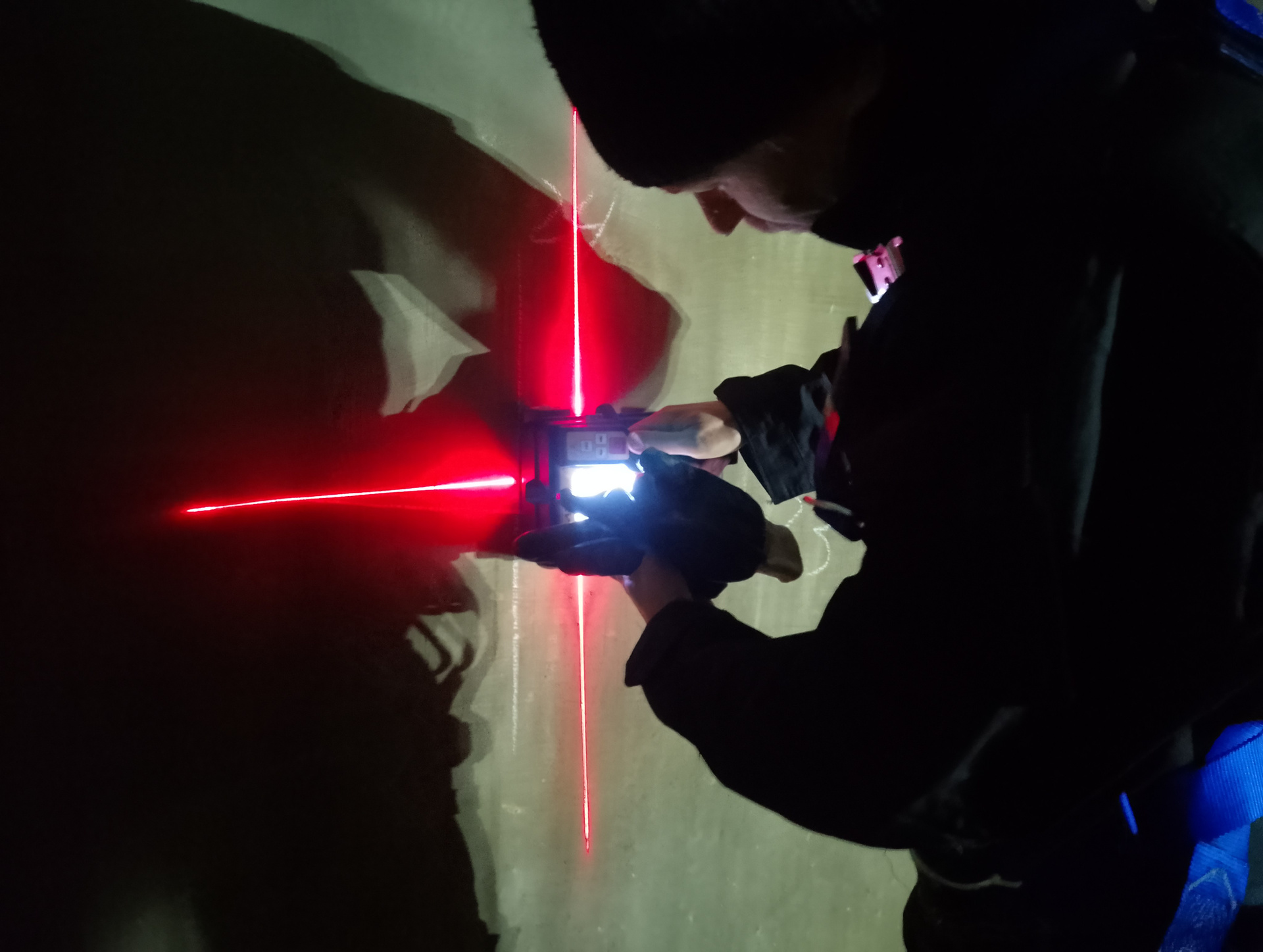
— For GPR surveys of concrete and reinforced concrete structures, high-frequency antennas (central frequency of 1700 MHz or higher) are employed to achieve high-resolution imaging of internal structural details, such as reinforcement layout and localized defects.
— Conversely, when assessing overall medium homogeneity, locating subsurface utilities, or addressing geological or geotechnical tasks, low-frequency antennas are used (central frequencies below 1000 MHz, typically under 400 MHz), which provide greater penetration depth at the expense of spatial resolution.
WORK RESULTS
The outcome of ground-penetrating radar (GPR) surveying is a formal “Inspection Report (Conclusion) on the Results of Ground-Penetrating Radar Survey”, accompanied by the necessary findings and recommendations.
To request ultrasonic echo tomography services for concrete and reinforced concrete structures or to contact us with questions regarding your specific issue, please fill out the form below, call us, or send a message via any of the messengers listed. If required, we can also arrange site visits anywhere in Russia or around the world! We will do our best to assist you!