

FACILITIES
During the technical inspection of concrete and reinforced concrete structures and building elements, specialists from LLC “Reinforced Concrete Tomography” have accumulated extensive experience in using non-destructive testing equipment implementing the ultrasonic pulse-echo method, transmission method, and ground-penetrating radar (GPR) surveying method.
For inspections, we utilize equipment manufactured by LLC “Acoustic Control Systems” (flaw detectors and tomographs), as well as GPR equipment from LLC “Logis” and Proseq, which provides us with accurate and reliable results. These methods have proven highly effective on numerous construction projects:
— for determining geometric characteristics of monolithic reinforced concrete foundation slabs and pile caps, basement walls, retaining walls, and diaphragm walls, including cases with single-sided access to structures (thickness determination);
— for identifying the presence/absence of cold joints in concrete placement (delaminations, inclined layering) in monolithic reinforced concrete foundation slabs and pile caps, basement walls, retaining walls, and diaphragm walls, including with single-sided access to structures;
— for detecting the presence/absence of hidden defects in the internal concrete structure (cracks, voids, cavities, zones of insufficiently compacted concrete) in monolithic reinforced concrete foundation slabs and pile caps, walls, piers, columns, floor slabs, and roof slabs, including with single-sided access to structures;
— for determining the location of reinforcement cage elements in reinforced concrete structures (vertical and horizontal main reinforcement bars in piers and columns, reinforcement of top and bottom mats in floor and roof slabs), and determining reinforcement parameters (spacing, concrete cover thickness, number of reinforcement layers);
— for acceptance testing of completed monolithic concrete and reinforced concrete structures in accordance with Working Documentation (WD) requirements and applicable regulatory standards; — for technical inspection of concrete and reinforced concrete structures and building elements to study their internal structure and minimize the number of exploratory openings for concrete cover inspection.
FACILITY
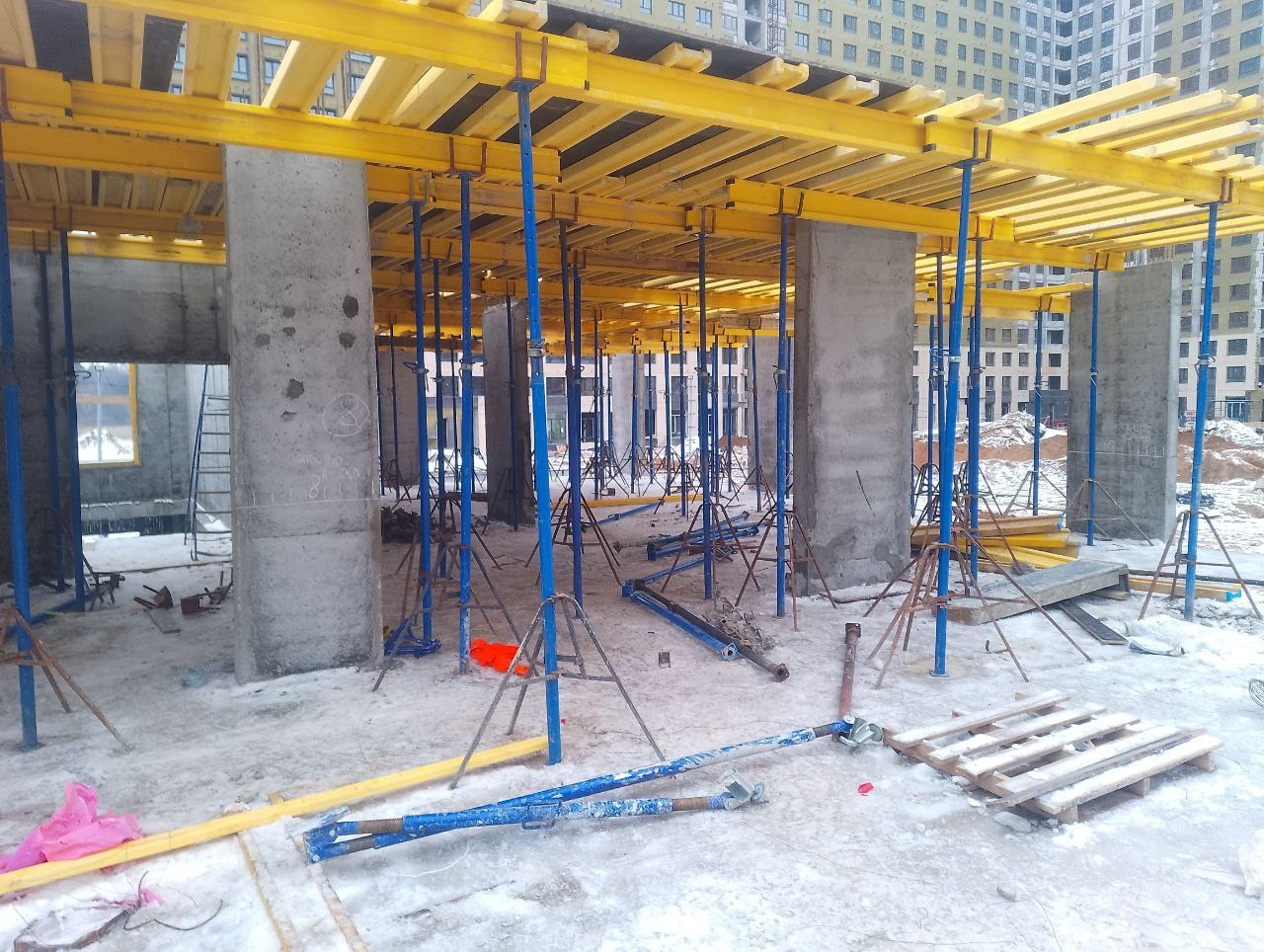
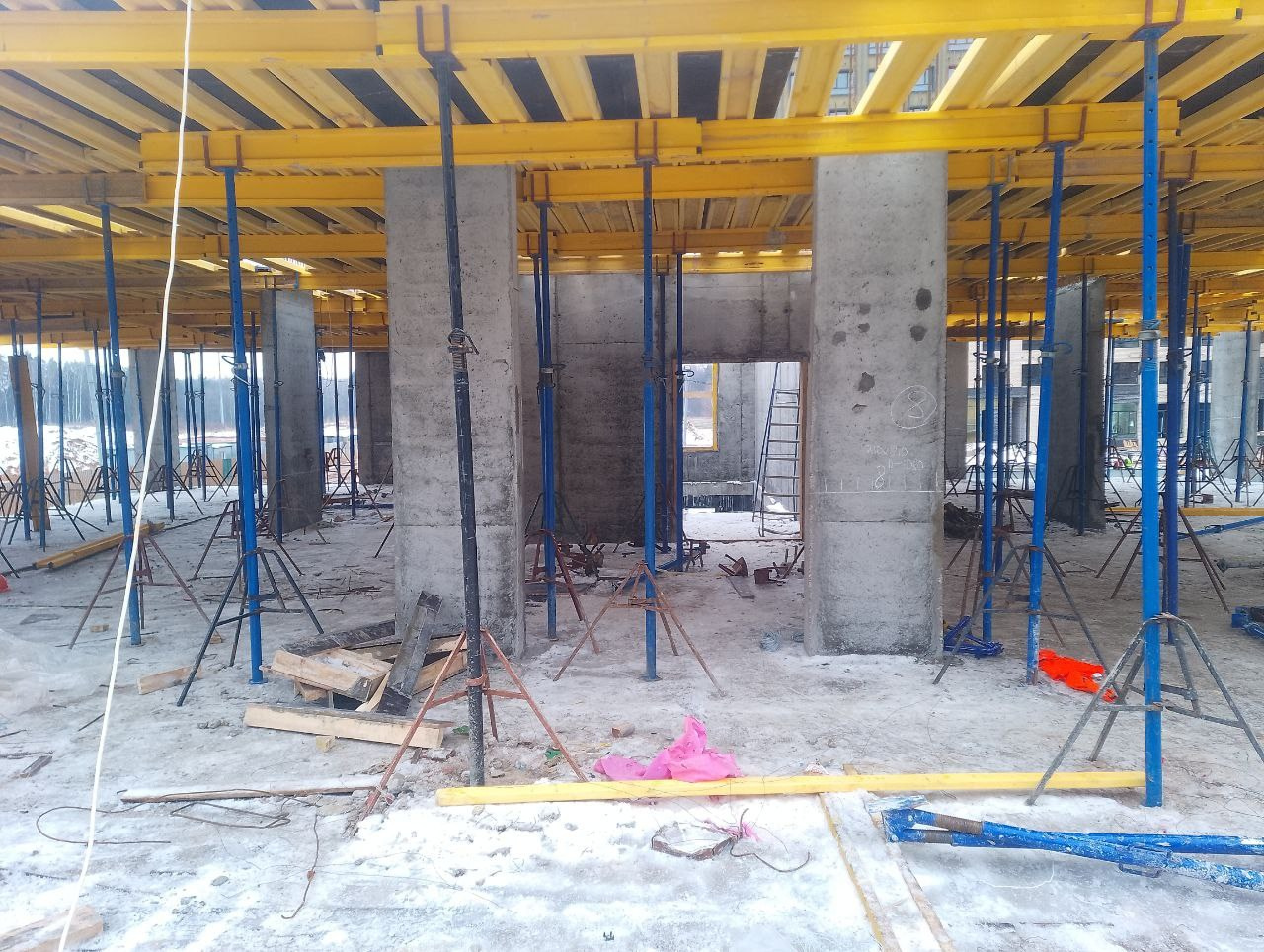
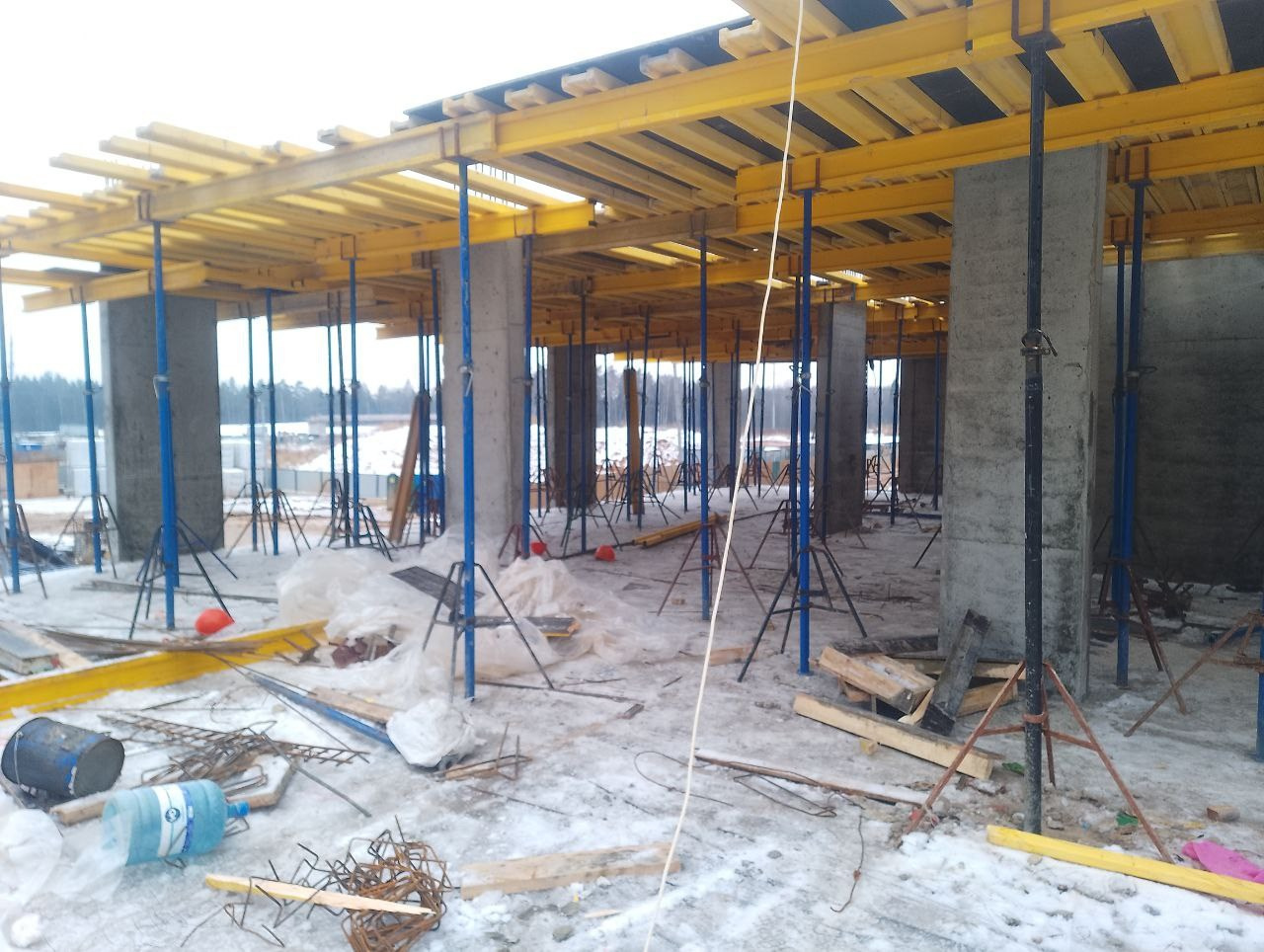
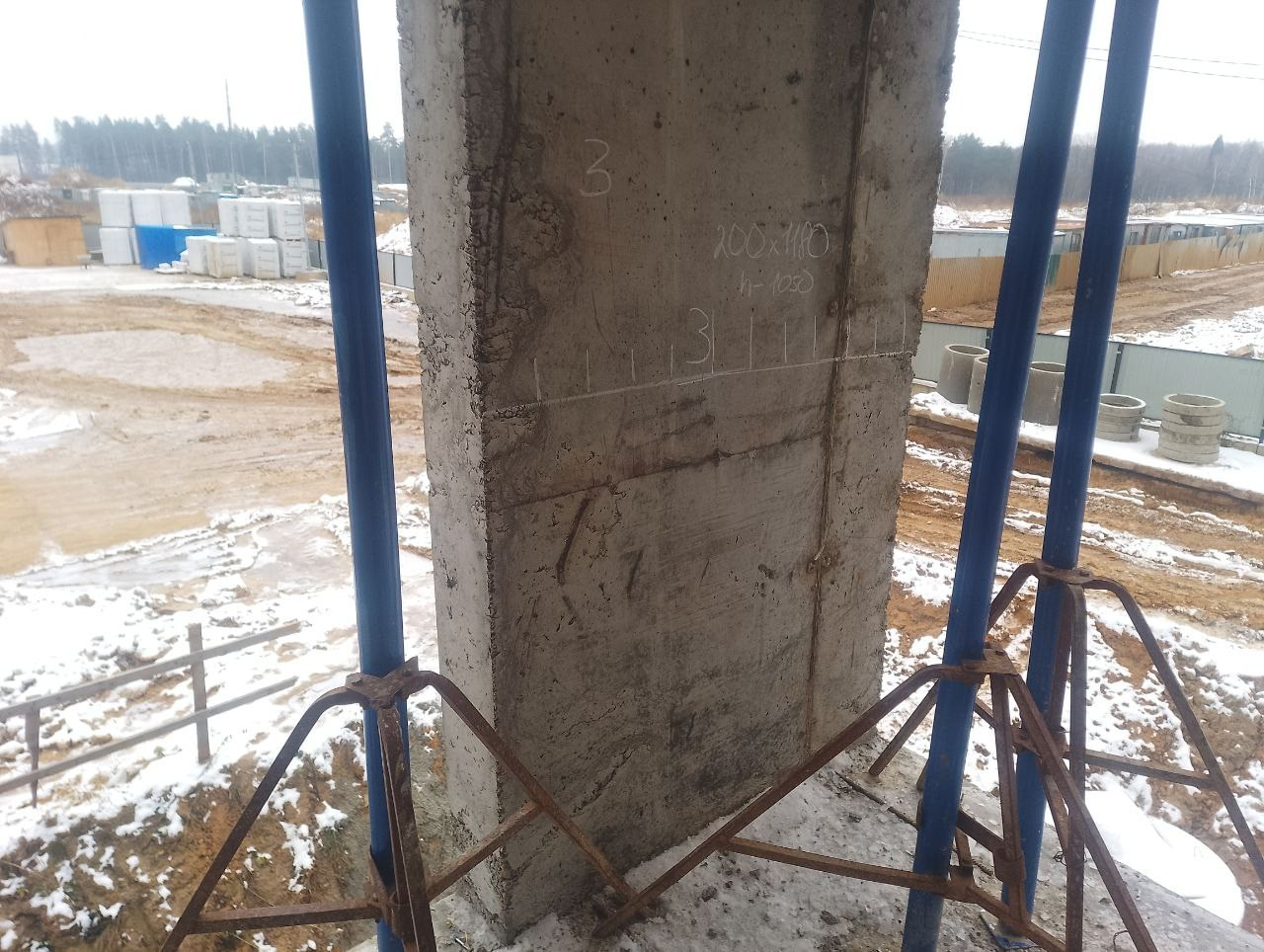
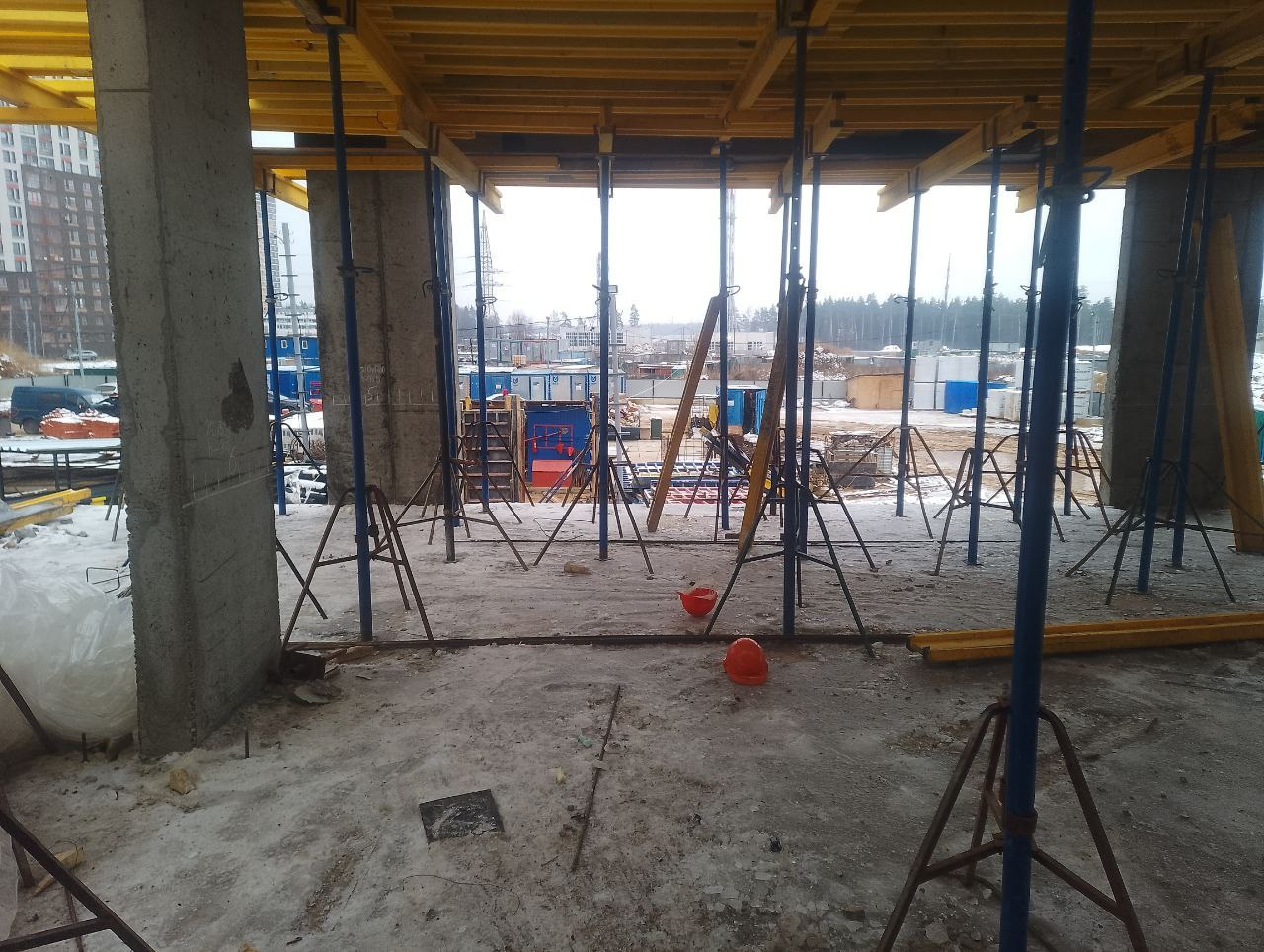
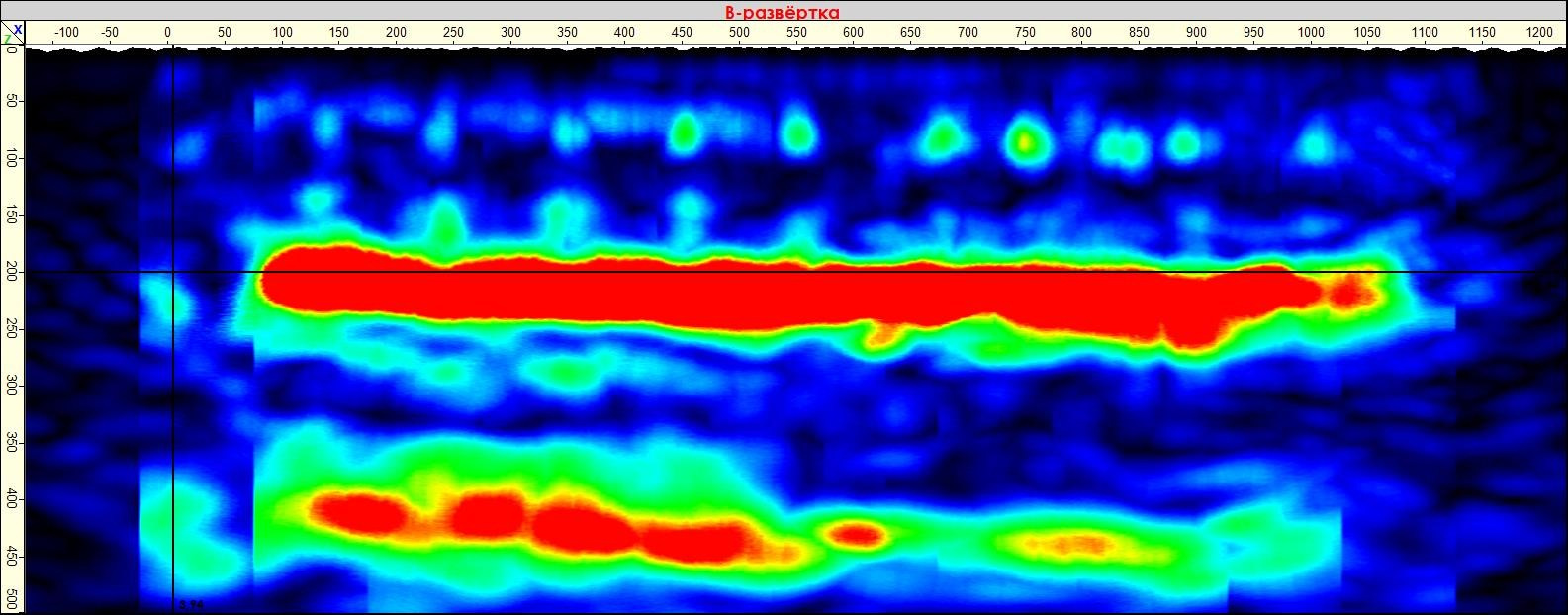
Building under construction for a preschool educational organization (PEO). Structural system: monolithic reinforced concrete frame. Vertical load-bearing structures: piers and walls with a thickness of 200 mm.
OBJECTIVES AND TASKS
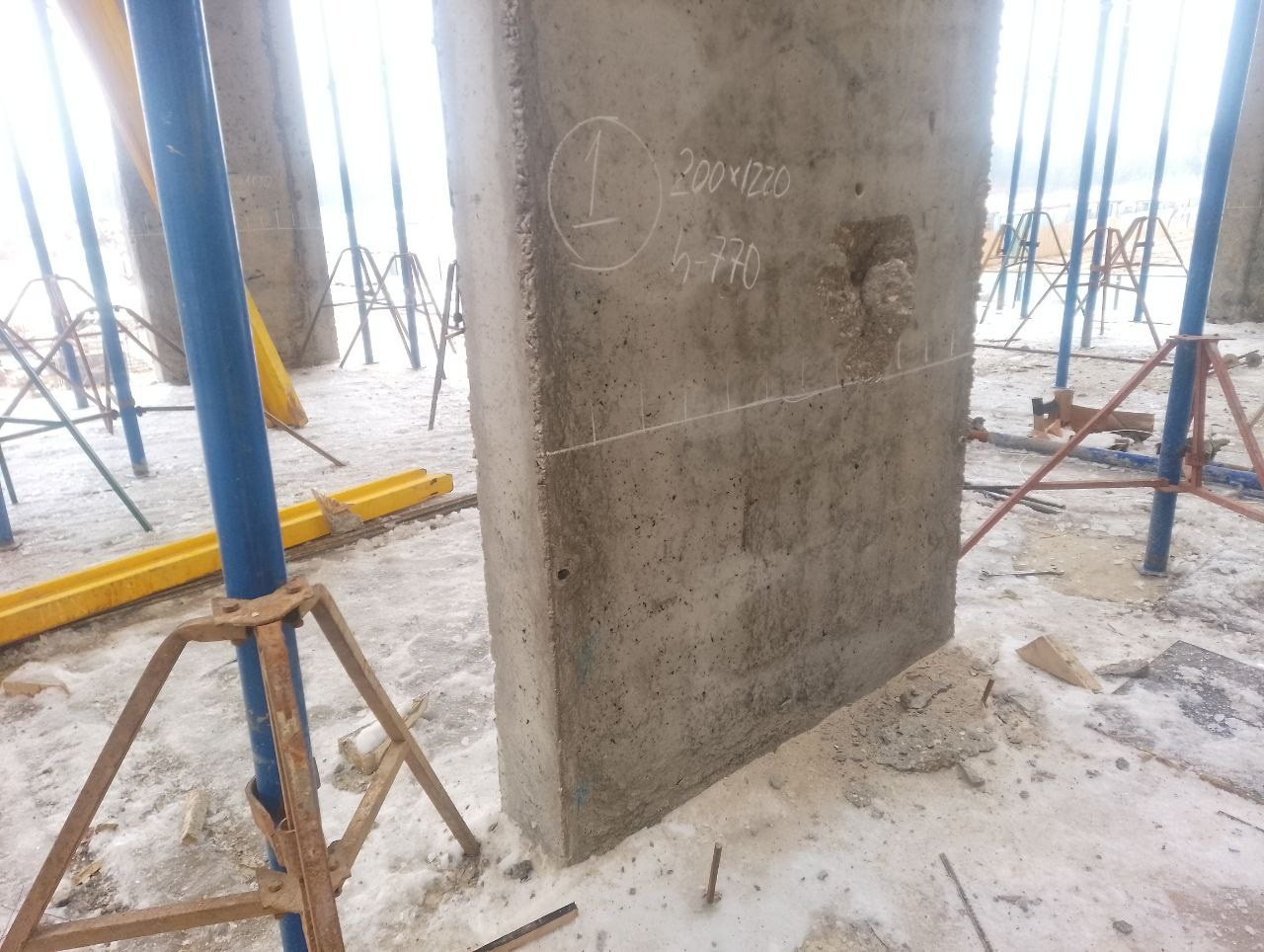
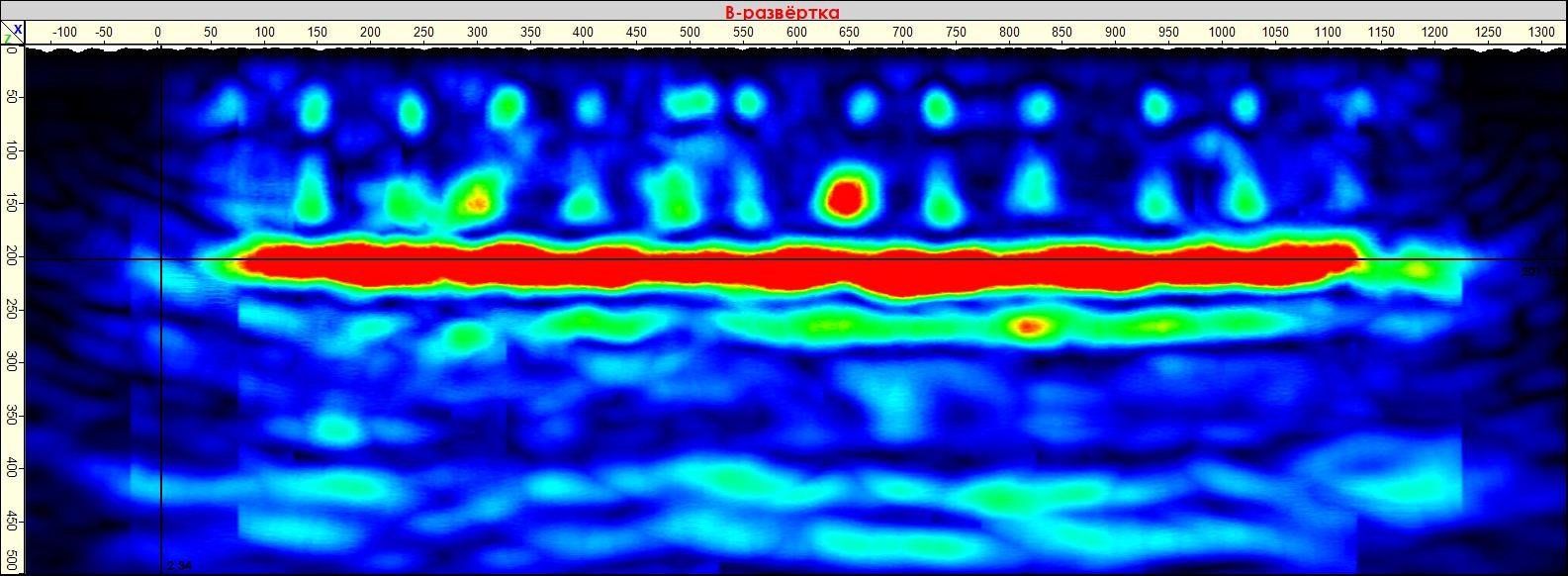
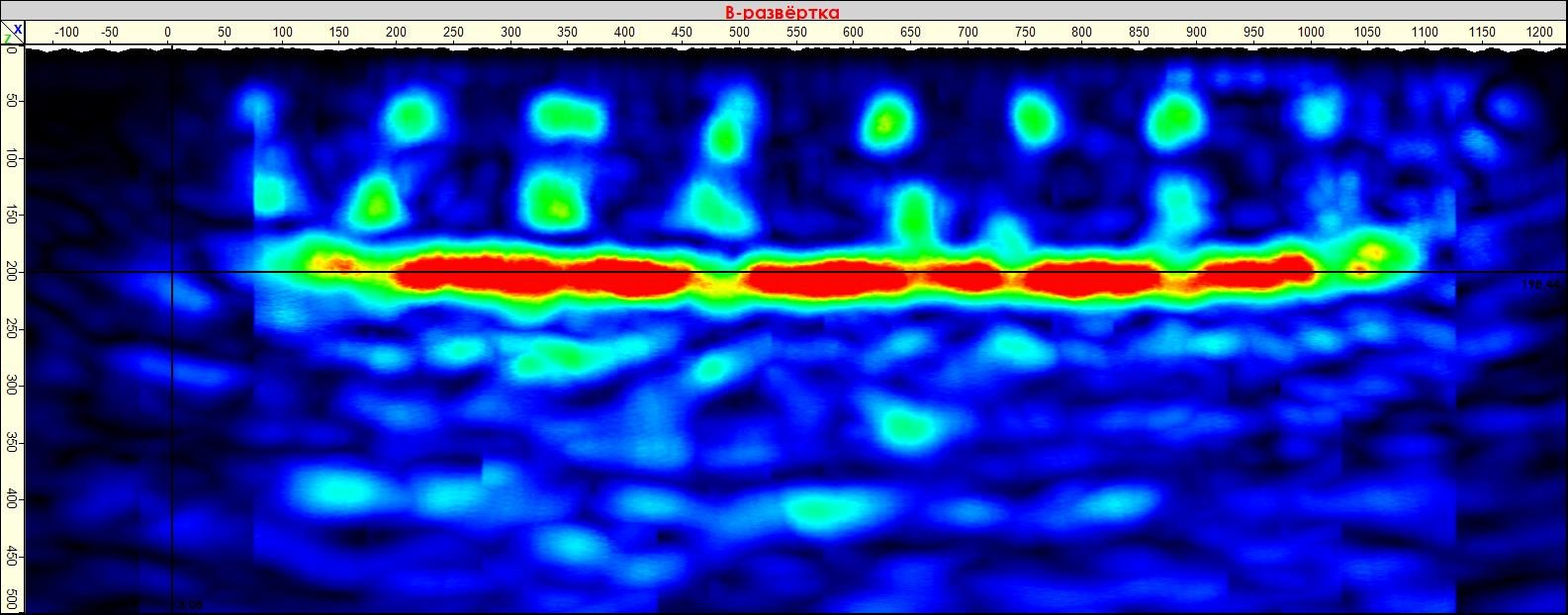
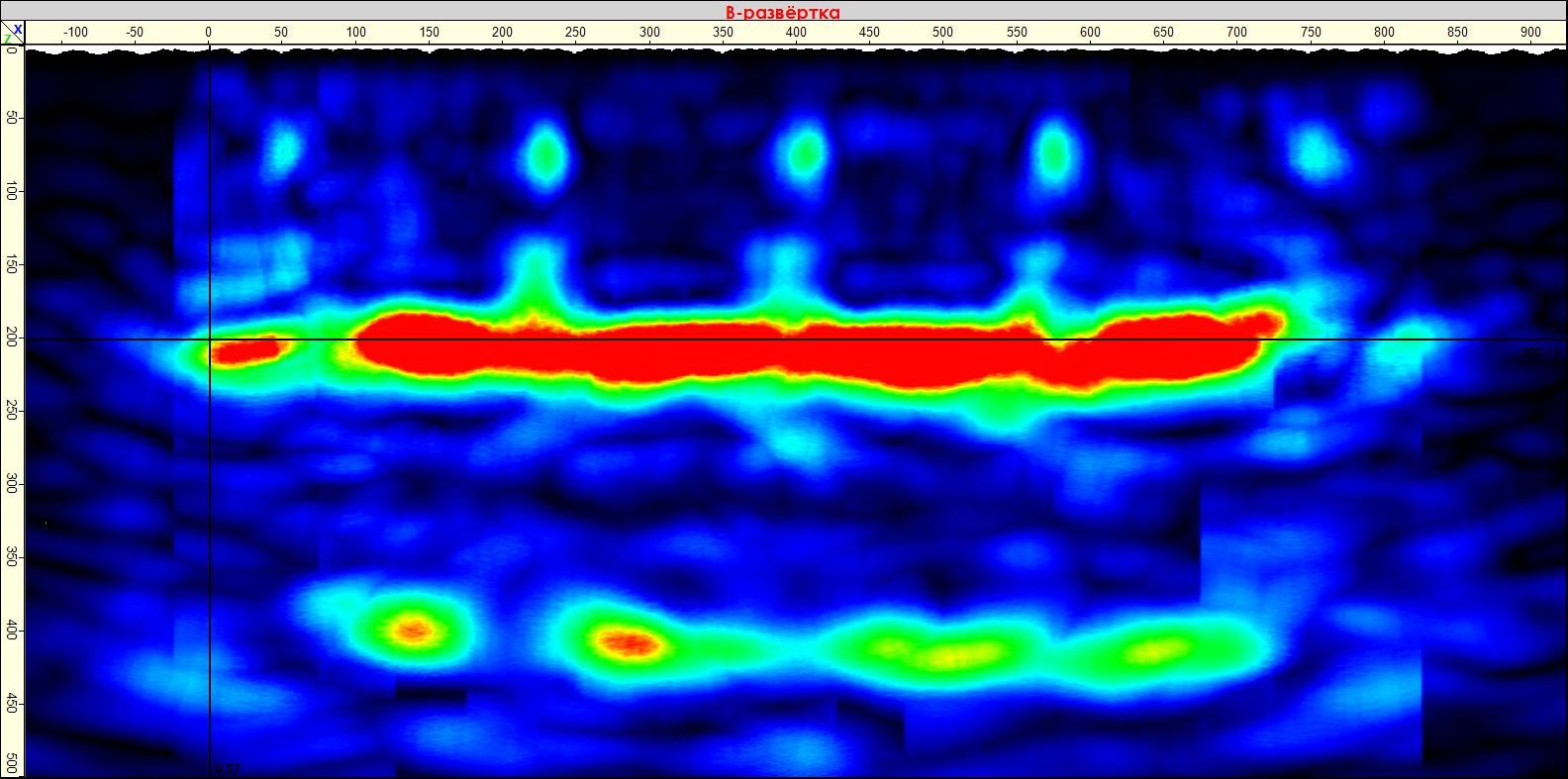
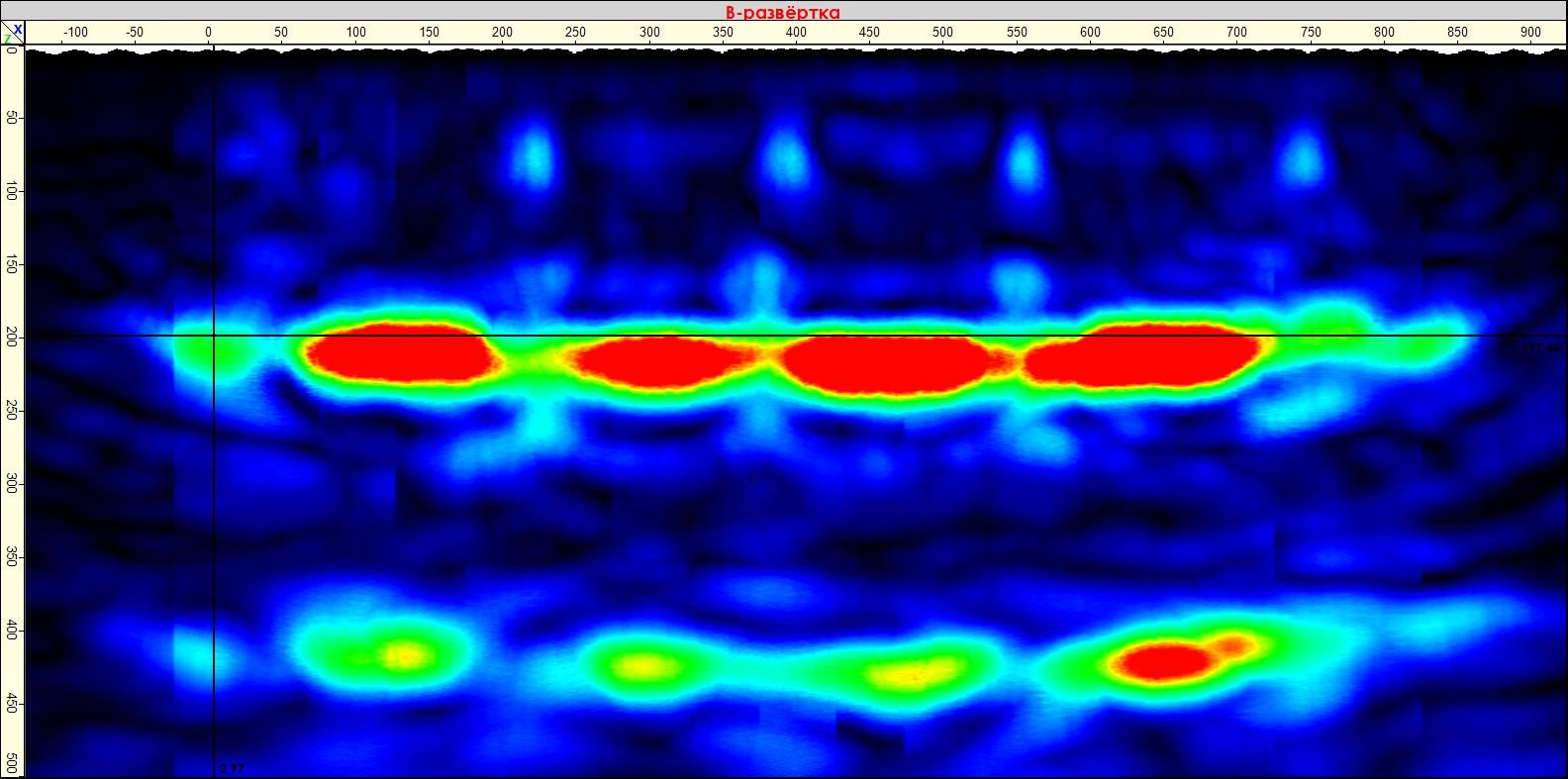
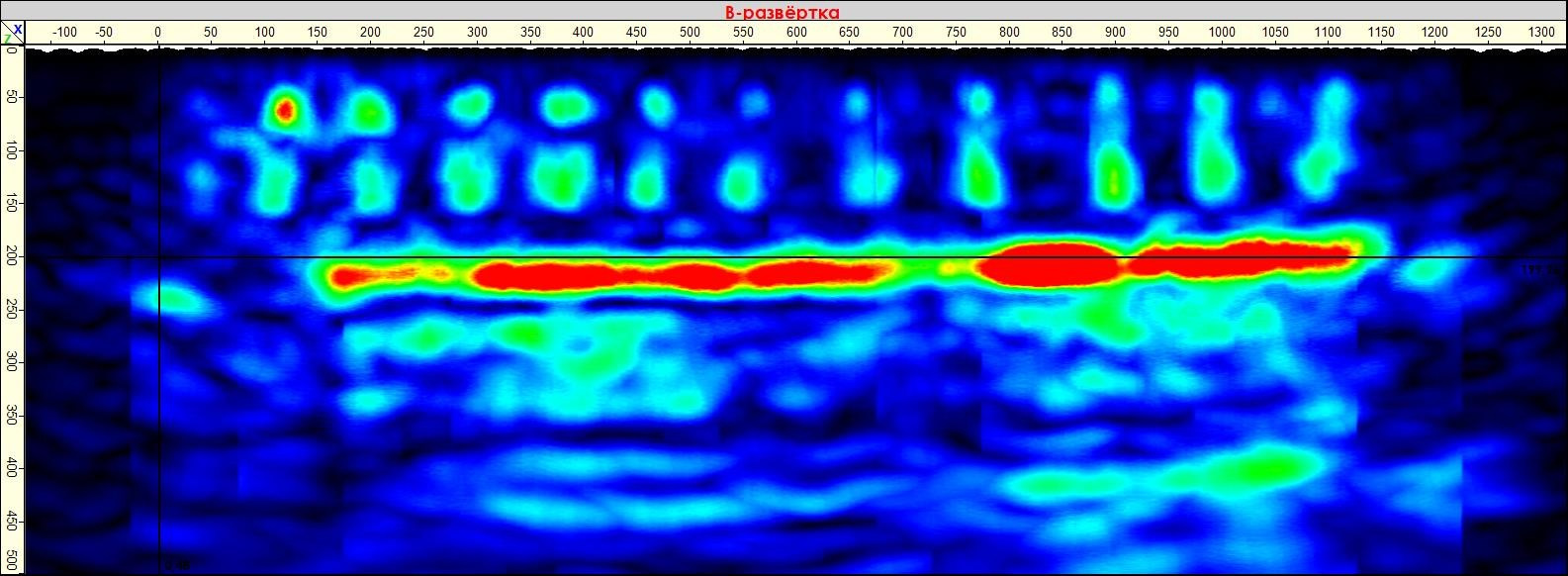
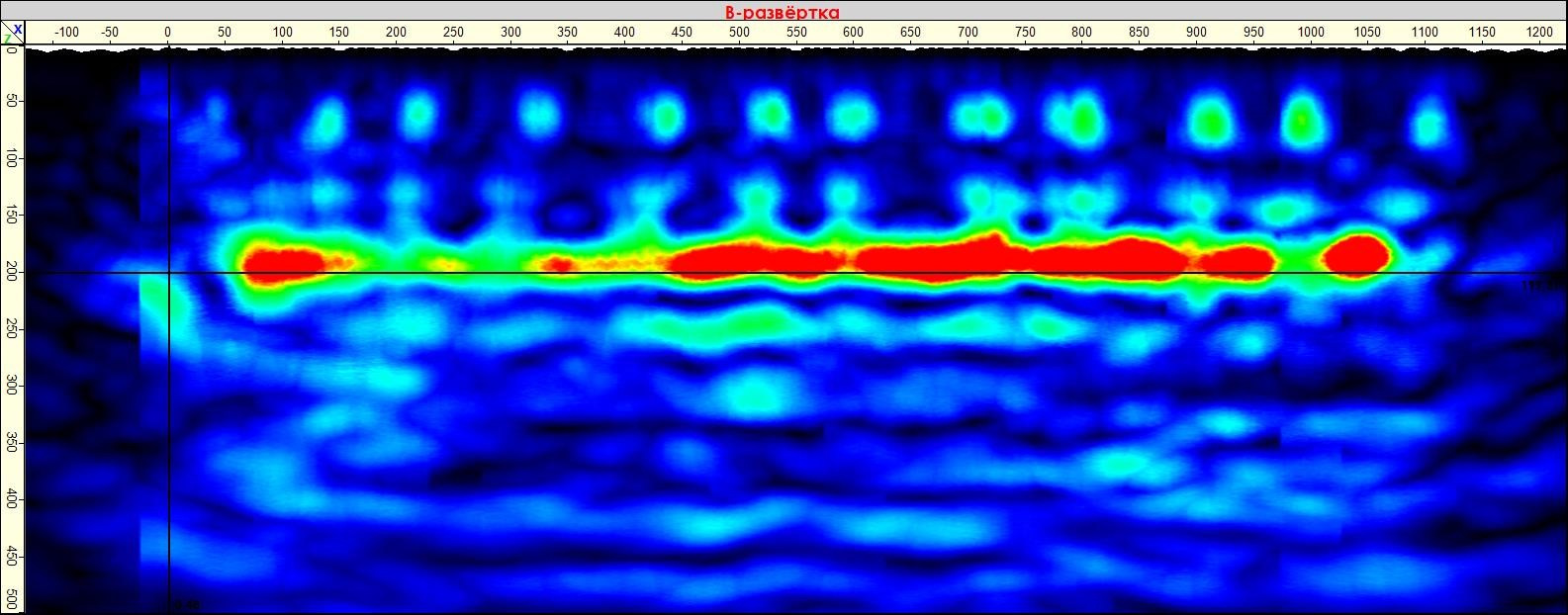
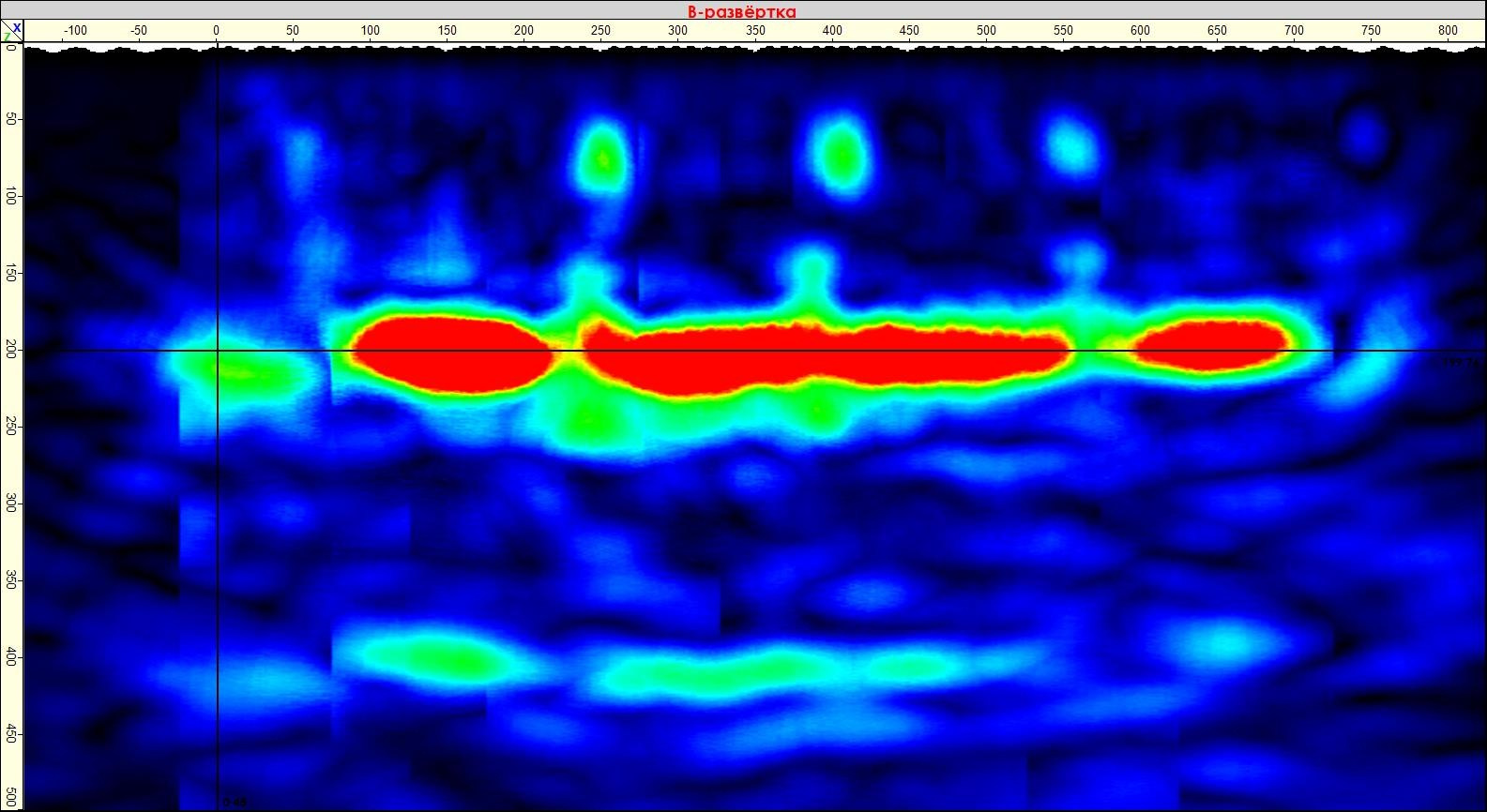
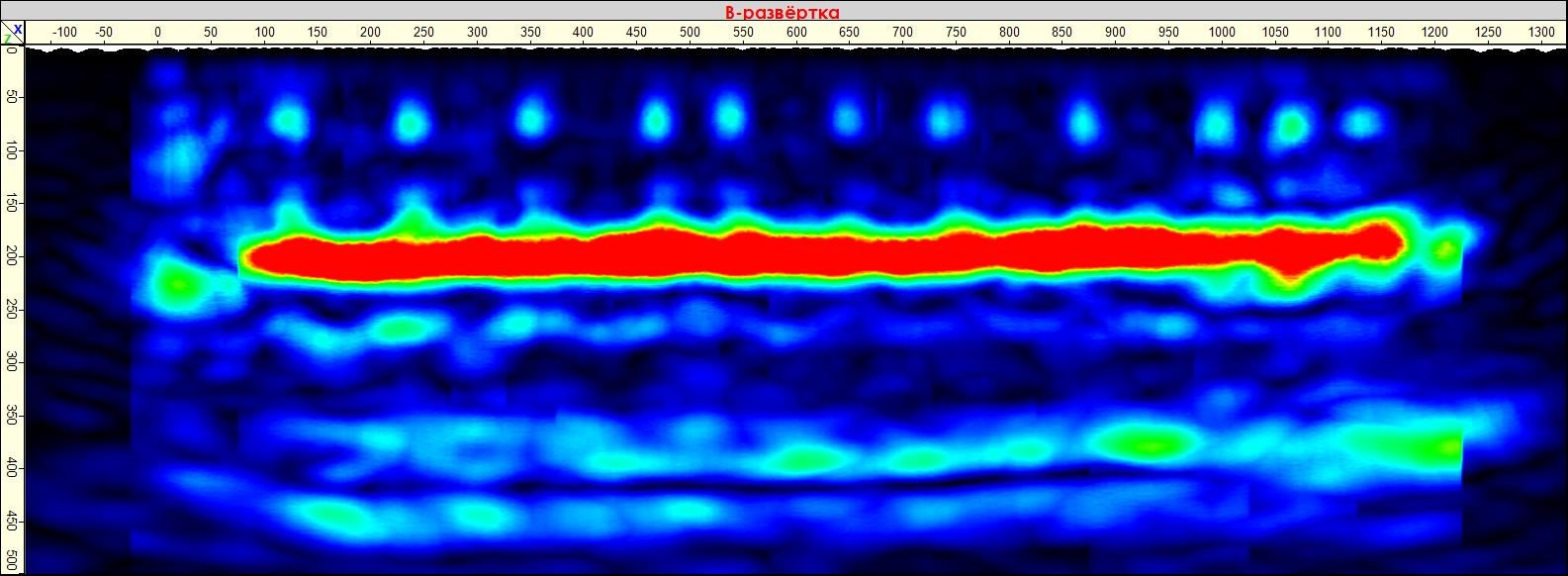
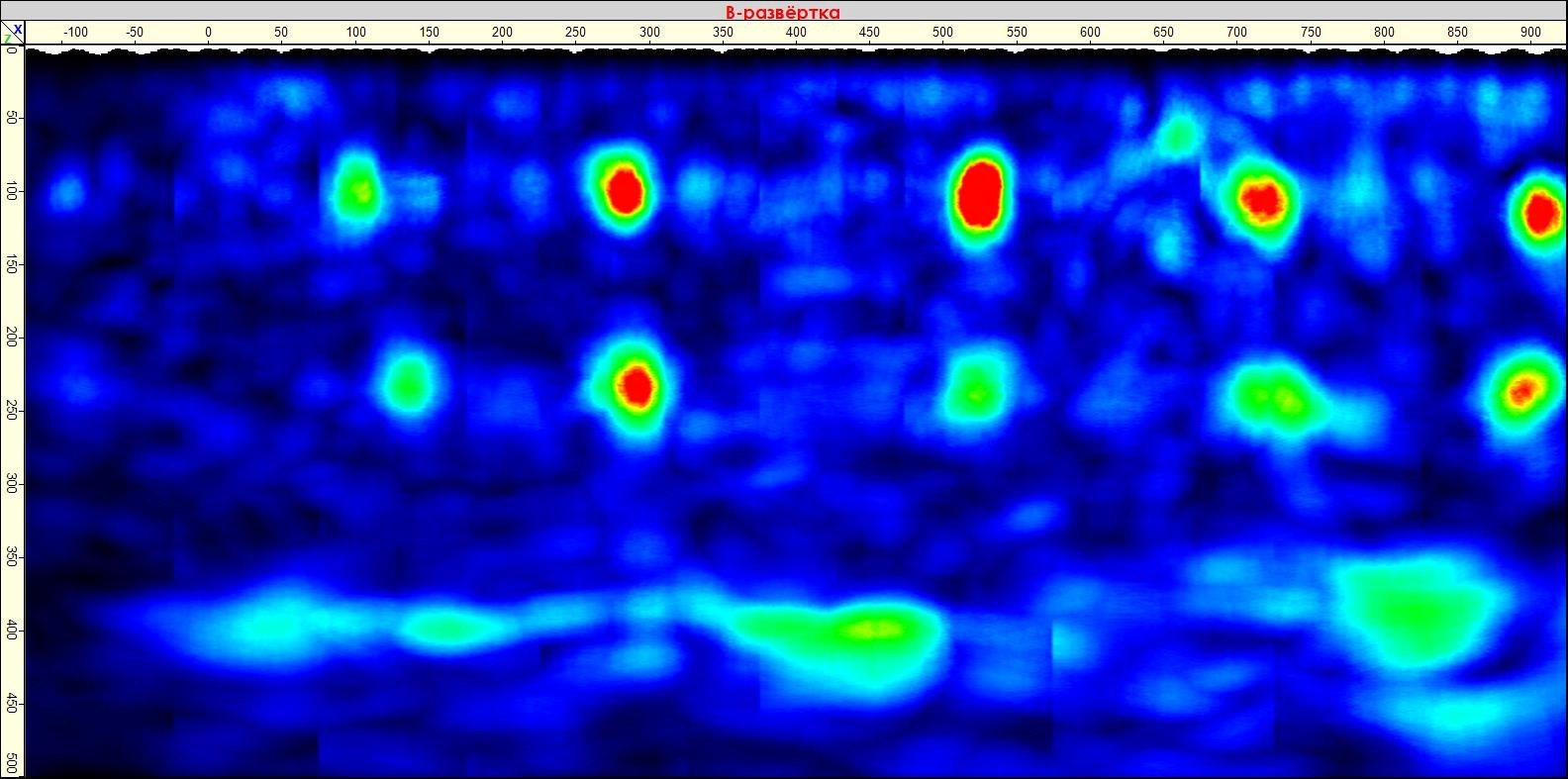
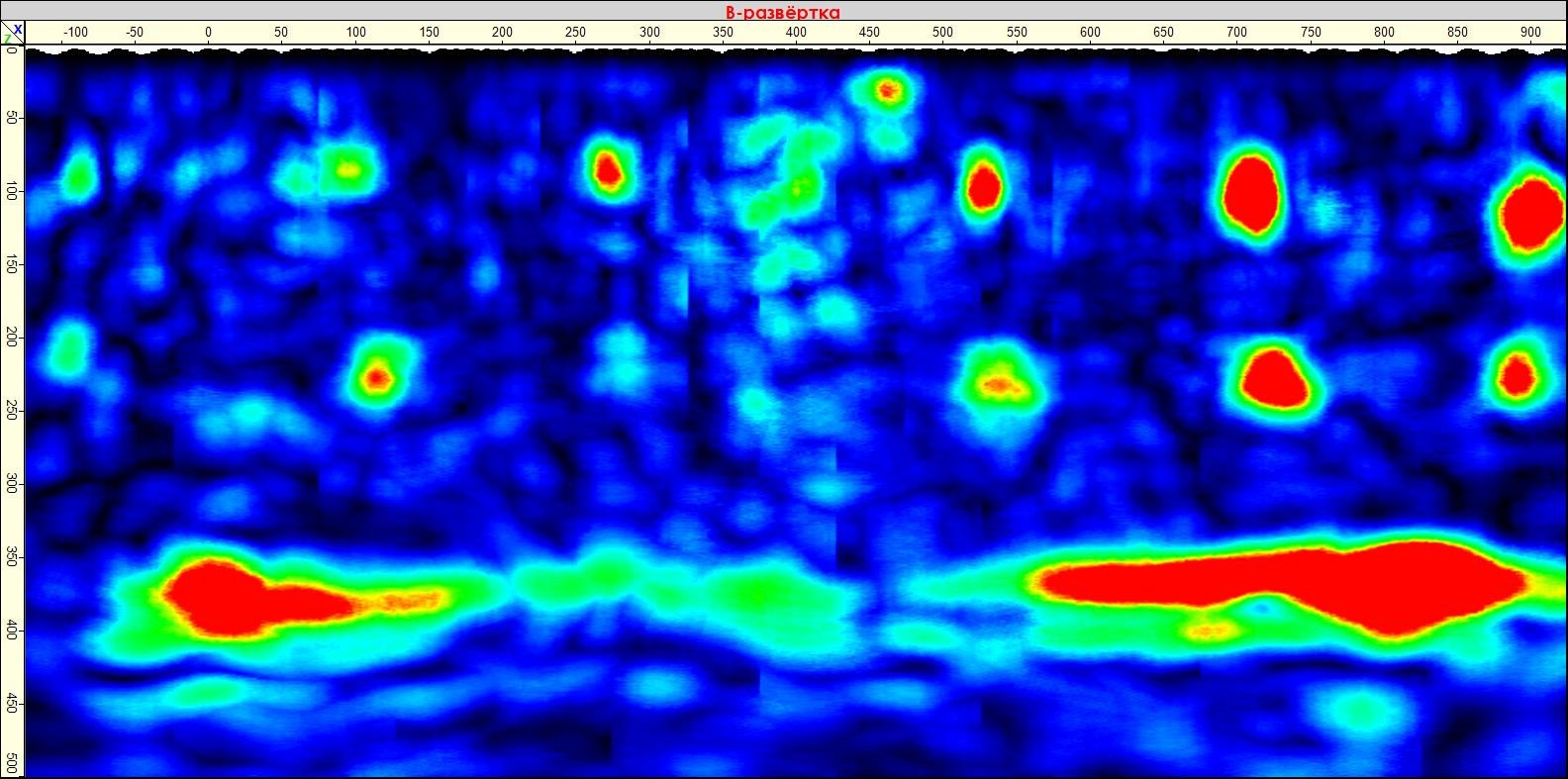
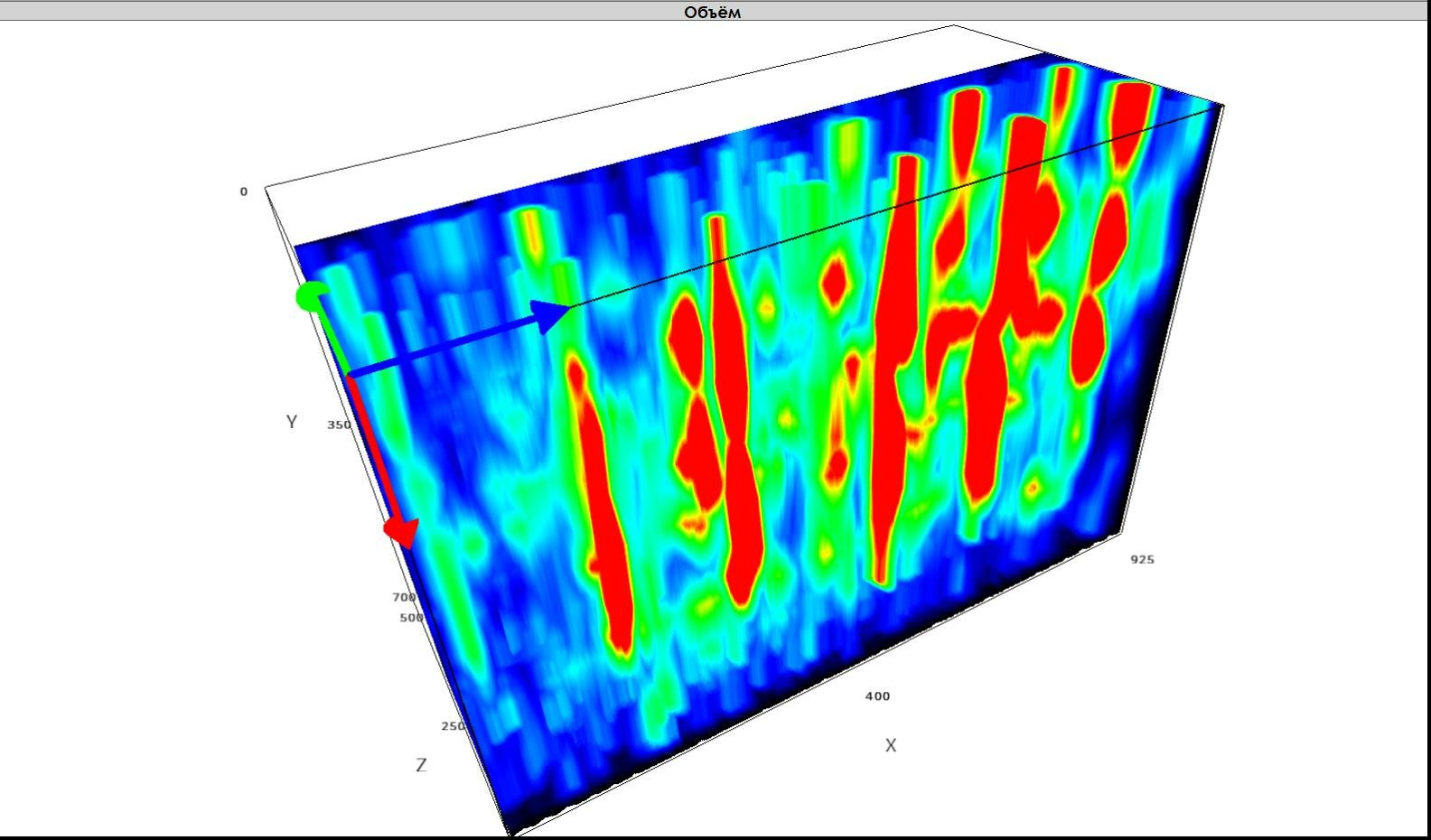
Determination of reinforcement parameters for piers and walls (200 mm thick) in the building under construction for the preschool educational organization (PEO).
WORK OBJECTIVE
The objective of the work was to determine the reinforcement parameters of piers and walls with a thickness of 200 mm.
METHODOLOGY
During the work to determine the reinforcement parameters of piers and walls (200 mm thick) in the PEO building under construction, the ultrasonic echo tomography method was employed.
EQUIPMENT AND INSTRUMENTS
A1040 MIRA low-frequency ultrasonic tomograph CONCLUSIONS Based on the results of the work to determine the reinforcement parameters of piers and walls (200 mm thick), the following conclusions were drawn: — Certain piers and walls do not comply with the requirements of the Working Documentation (bar spacing, total number of bars as per design, concrete cover thickness) and the requirements of SP 70.13 330.
OBJECT
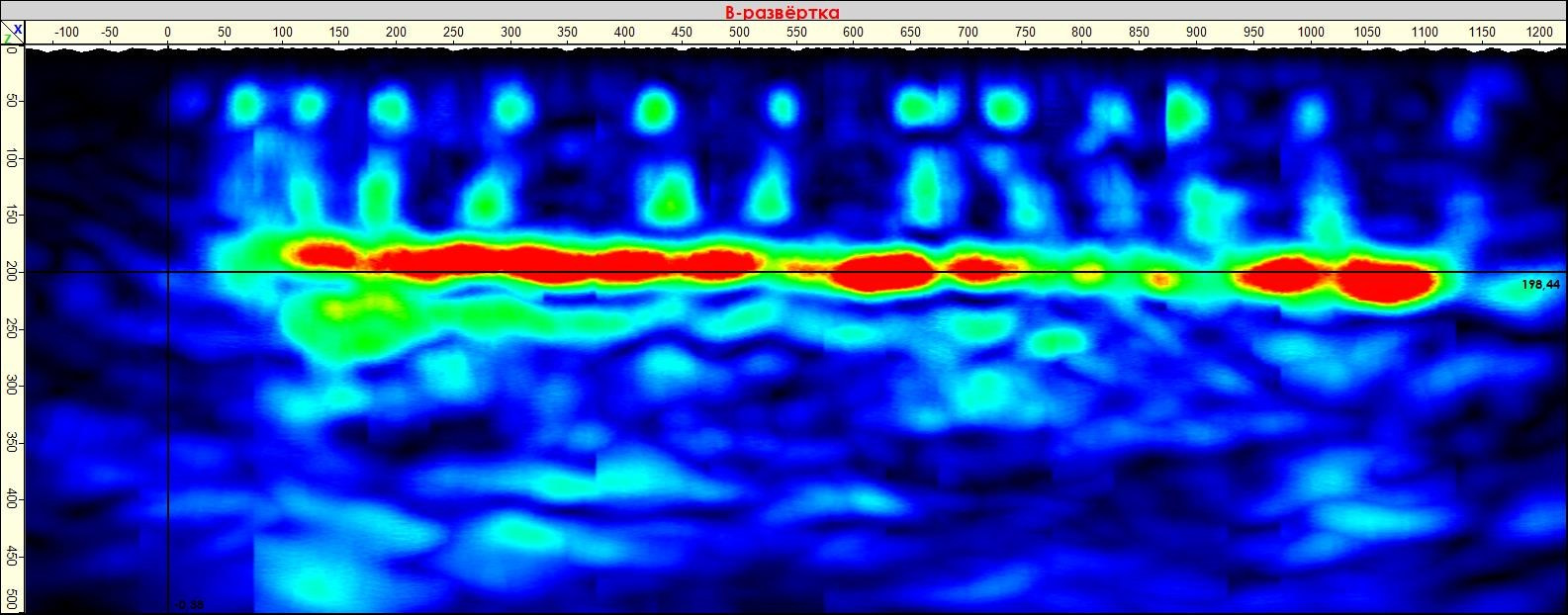
Residential building with underground parking. Structural system: monolithic reinforced concrete frame. Vertical load-bearing structures: piers and walls.
PURPOSES AND OBJECTIVES
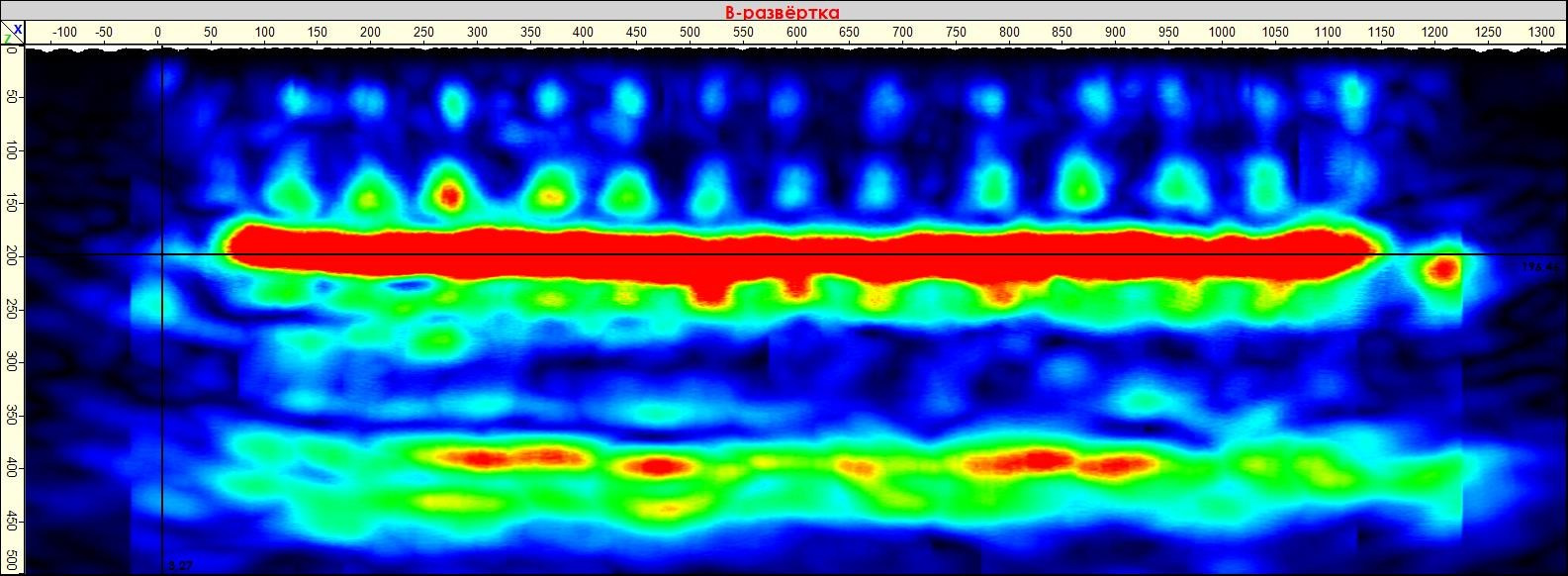
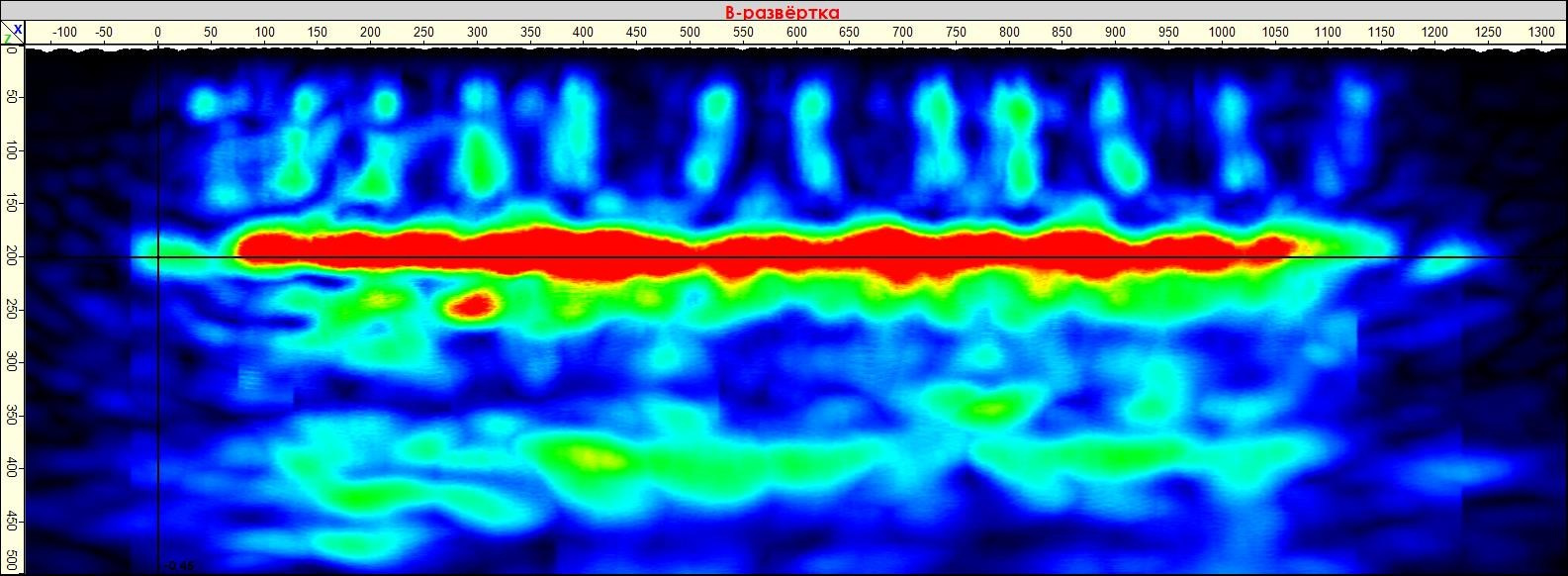
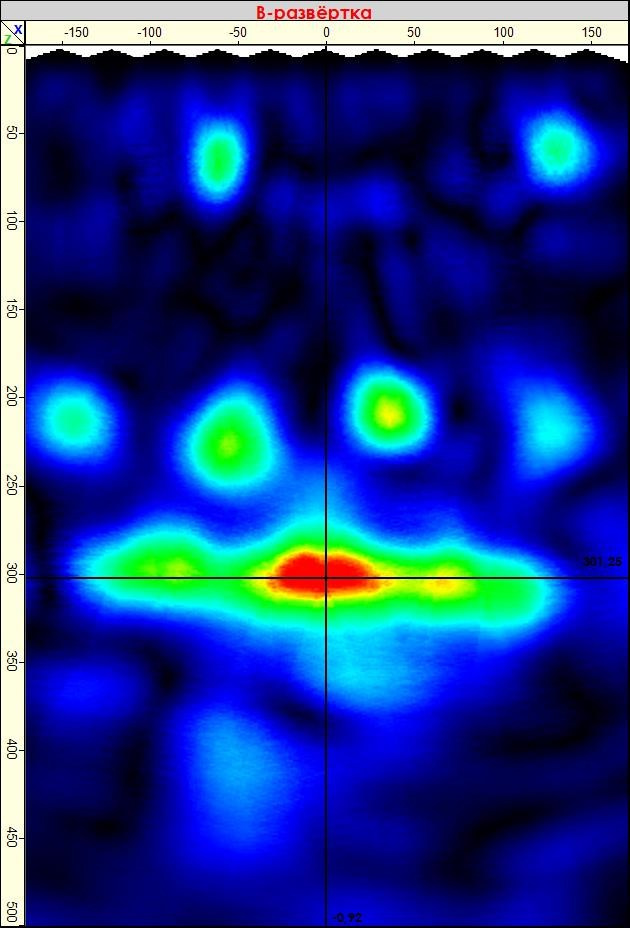
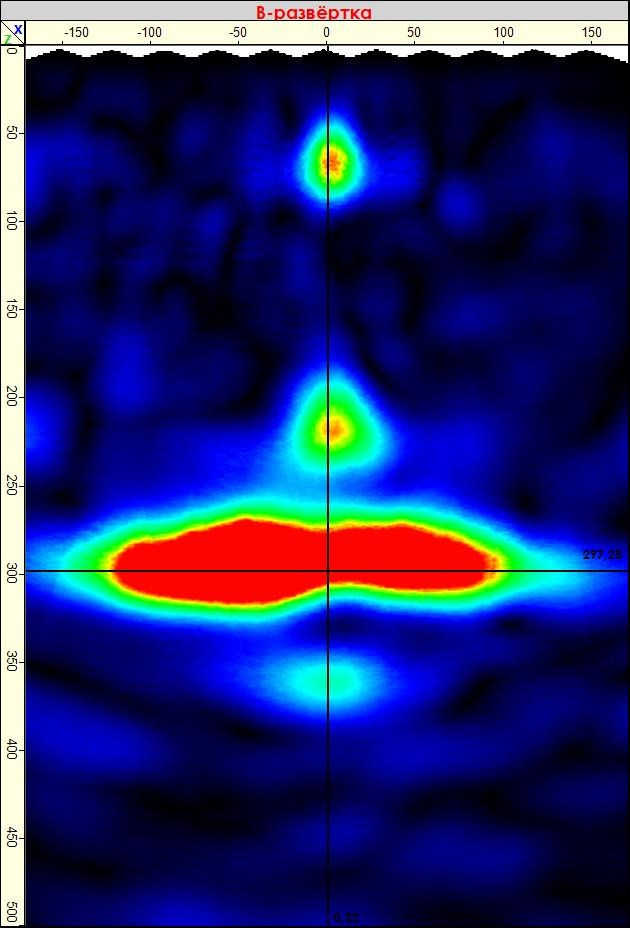
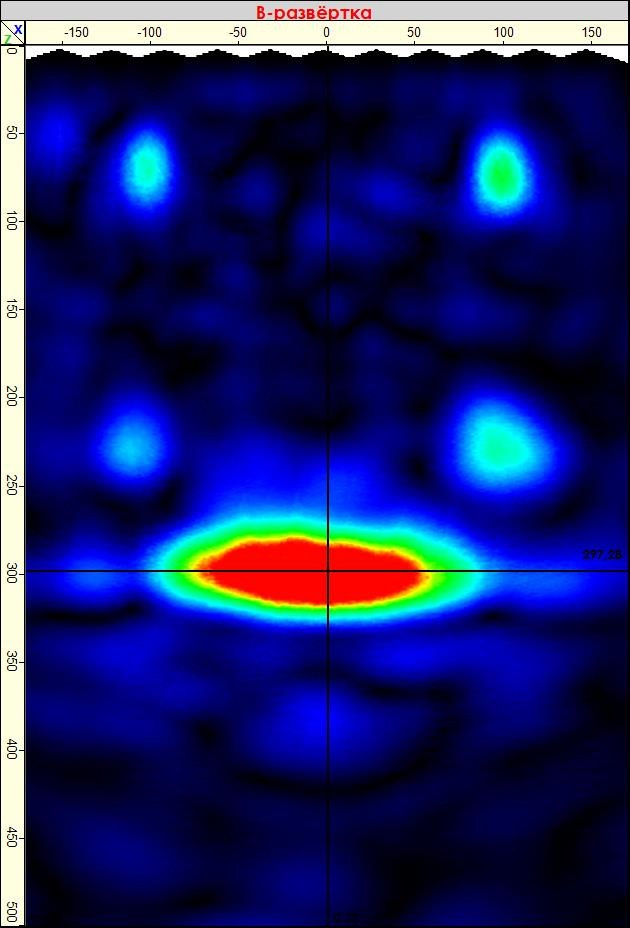
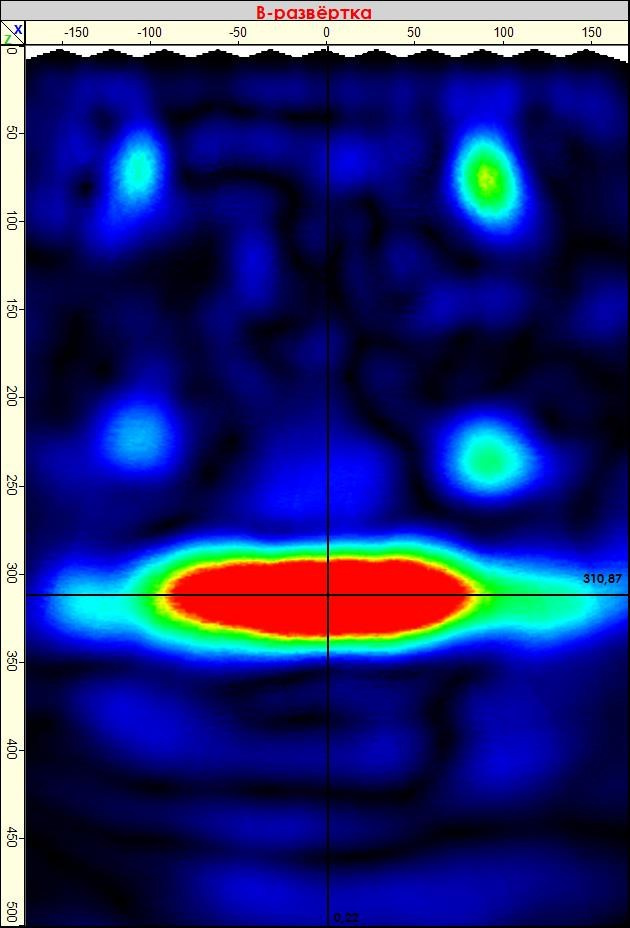
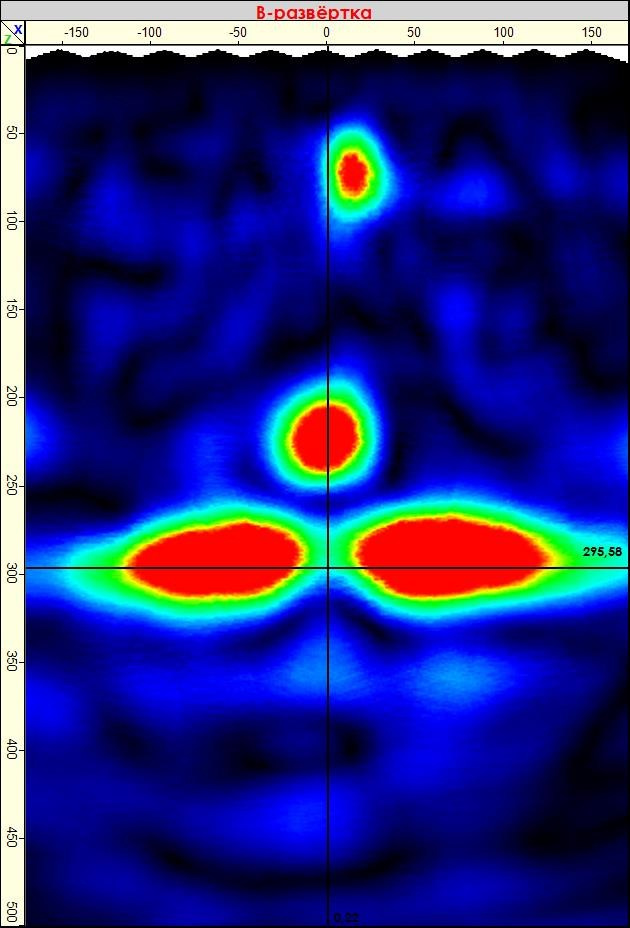
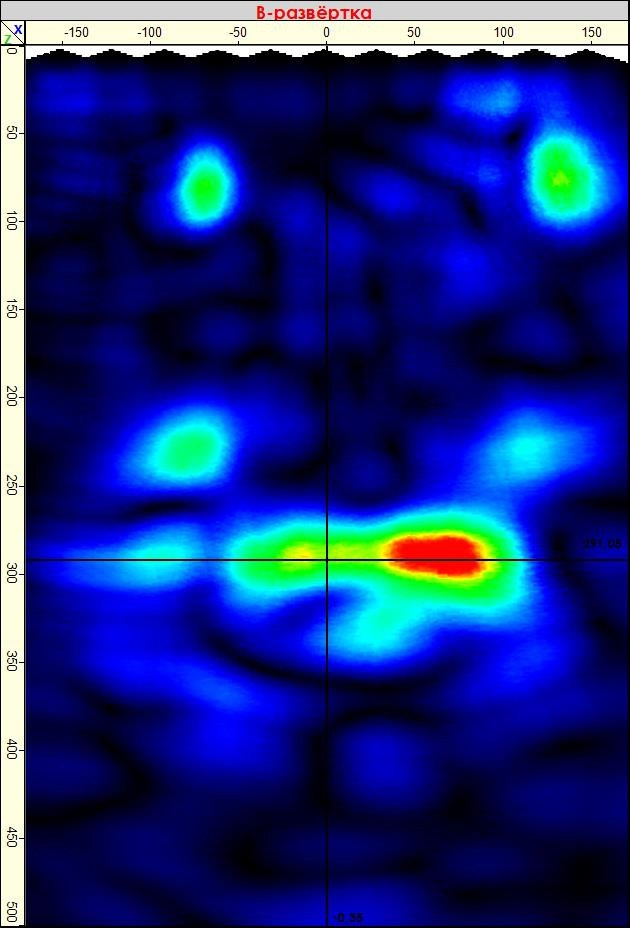
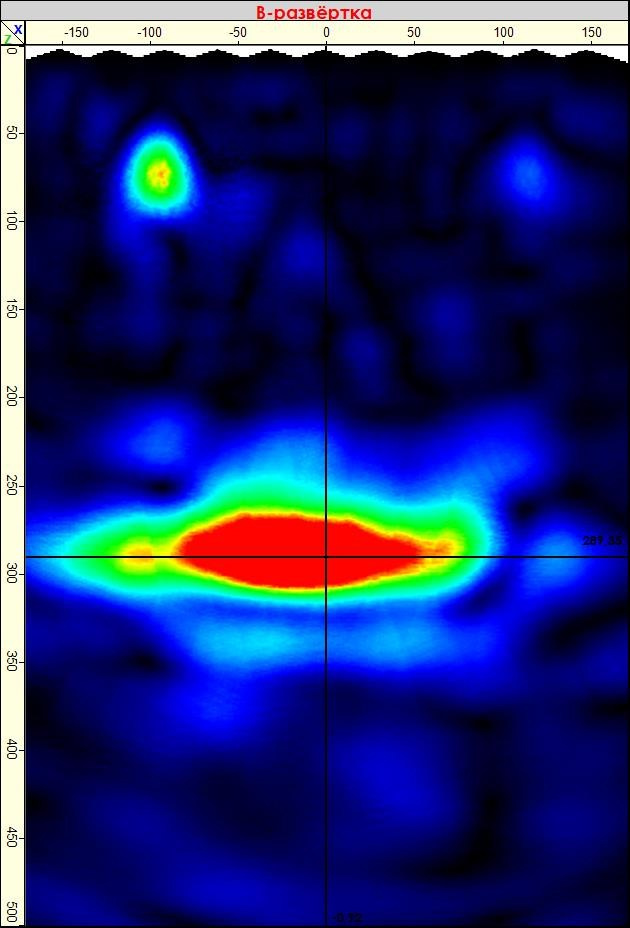
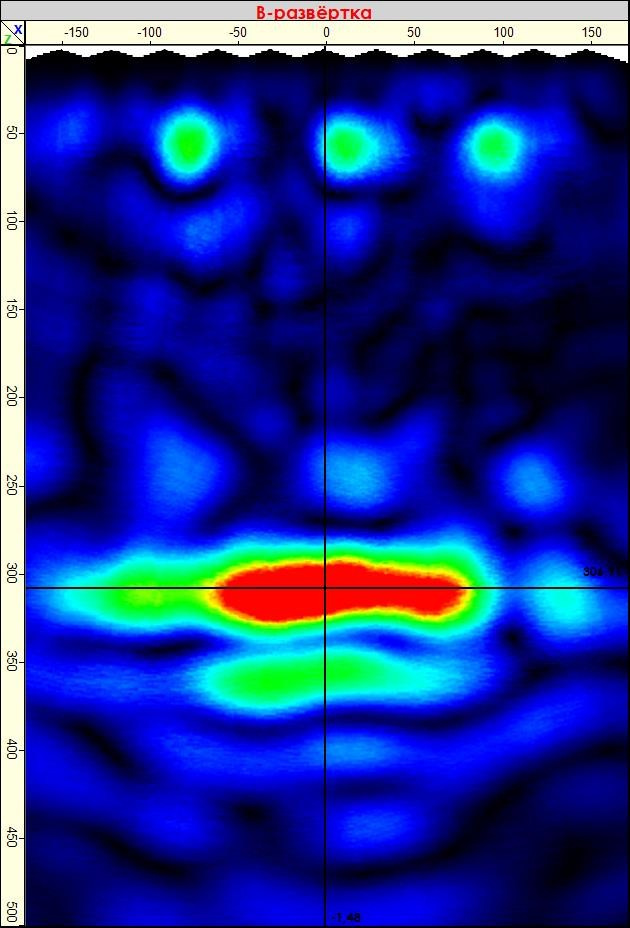
Sampling determination of internal concrete structure defects in type walls, 300 mm thick, with single-sided access to structures.
WORK PURPOSE
The purpose of the work was to determine the presence of internal concrete structure defects in type walls, 300 mm thick, with single-sided access to structures.
METHODOLOGY
During the work conducted to determine the presence of internal concrete structure defects in type walls, 300 mm thick, with single-sided access to structures.
INSTRUMENTS AND TOOLS
Low-frequency ultrasonic tomograph A1040 MIRA CONCLUSIONS Based on the results of the work to determine the presence of internal concrete structure defects in type walls, 300 mm thick, with single-sided access to structures, the following conclusions were made:
— During visual inspection of the facade surface of structures, isolated areas with concrete structure deterioration and reinforcement exposure were identified.
— As a result of wall inspection using ultrasonic echo tomography methods, no hidden defects in the internal concrete structure (voids, cavities, delaminations) with linear dimensions exceeding 50 mm were detected.
RECOMMENDATIONS
Perform repair of isolated areas on the facade surface of structures with concrete structure deterioration and reinforcement exposure in accordance with the requirements of applicable regulatory documents.
OBJECT
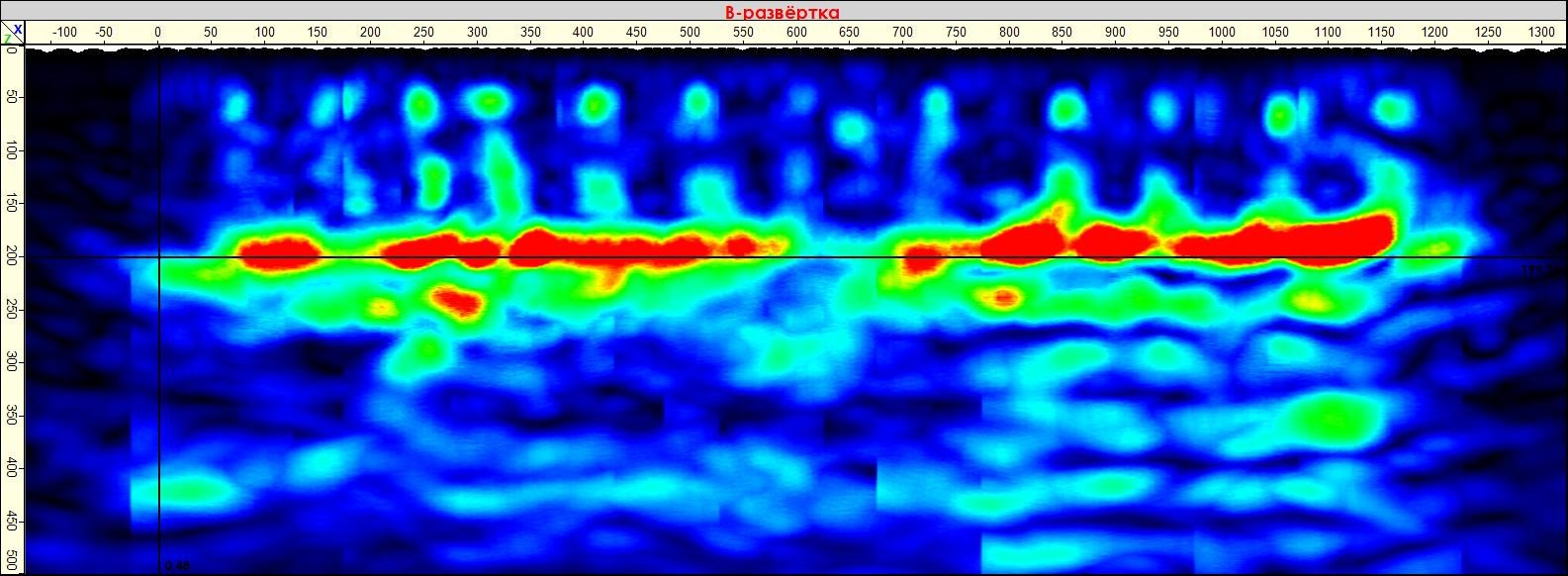
Building under construction for a preschool educational organization (PEO). Structural system: monolithic reinforced concrete frame. Foundation: monolithic reinforced concrete slab, 600 mm thick.
PURPOSES AND OBJECTIVES
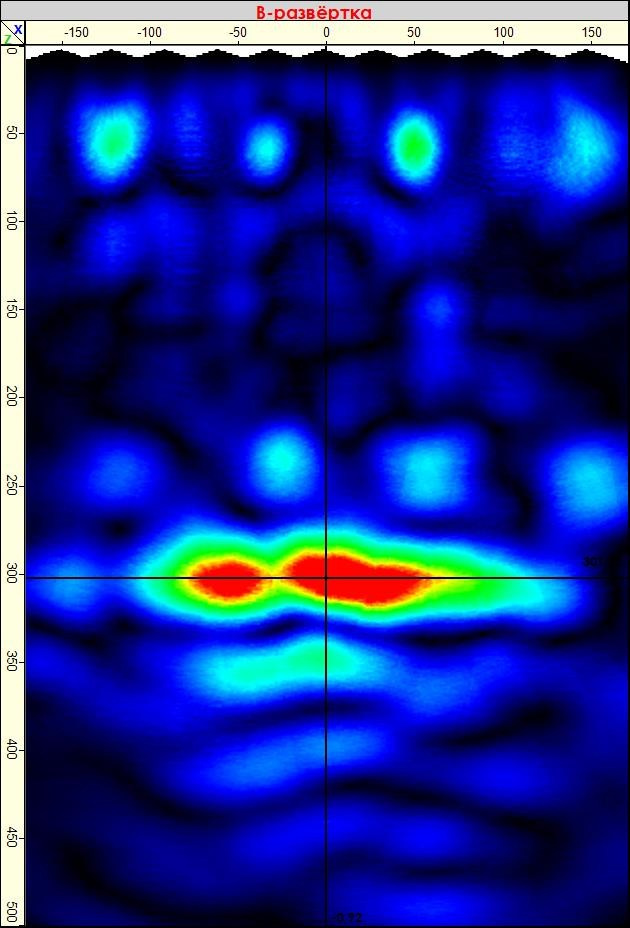
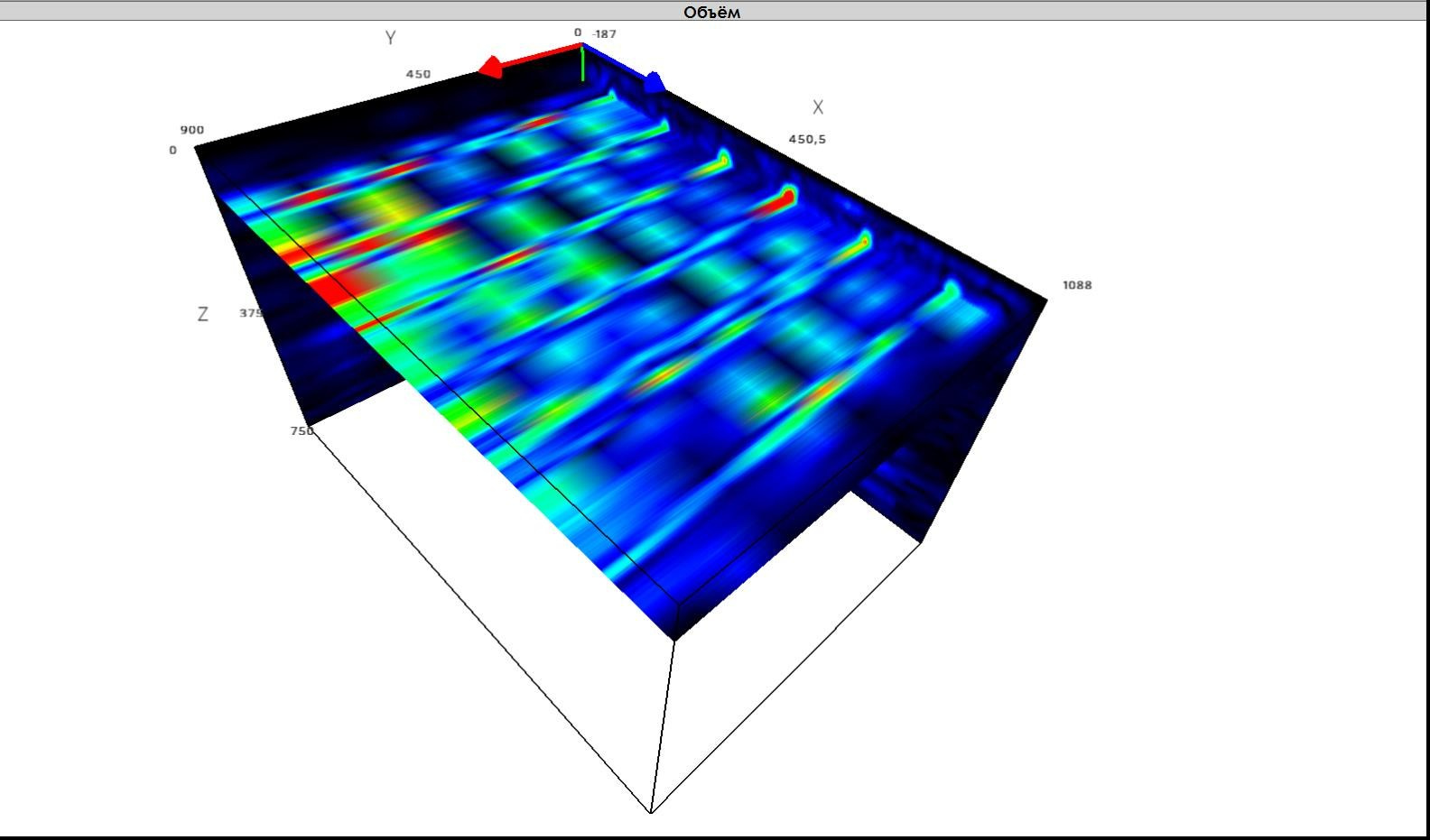
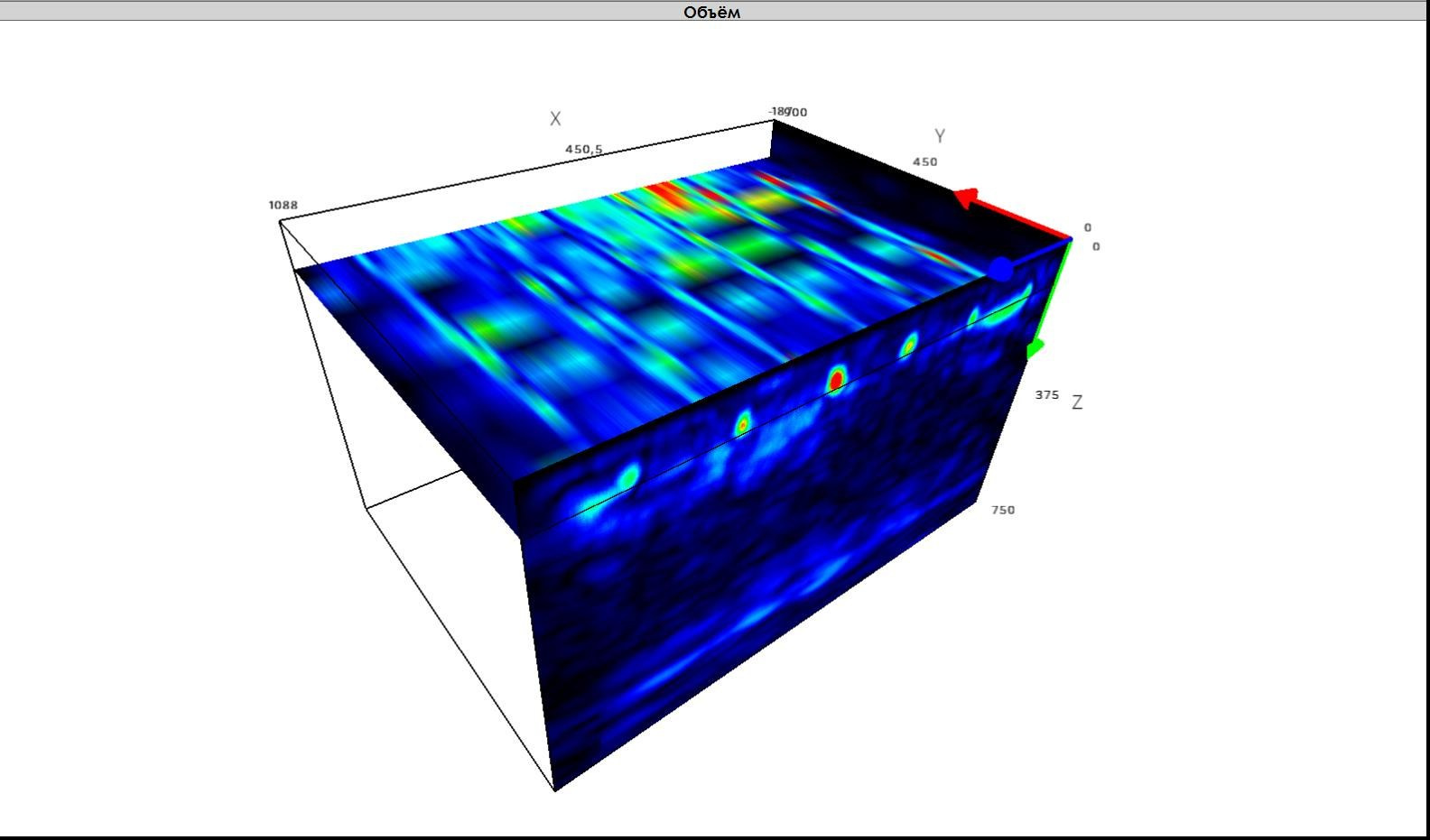
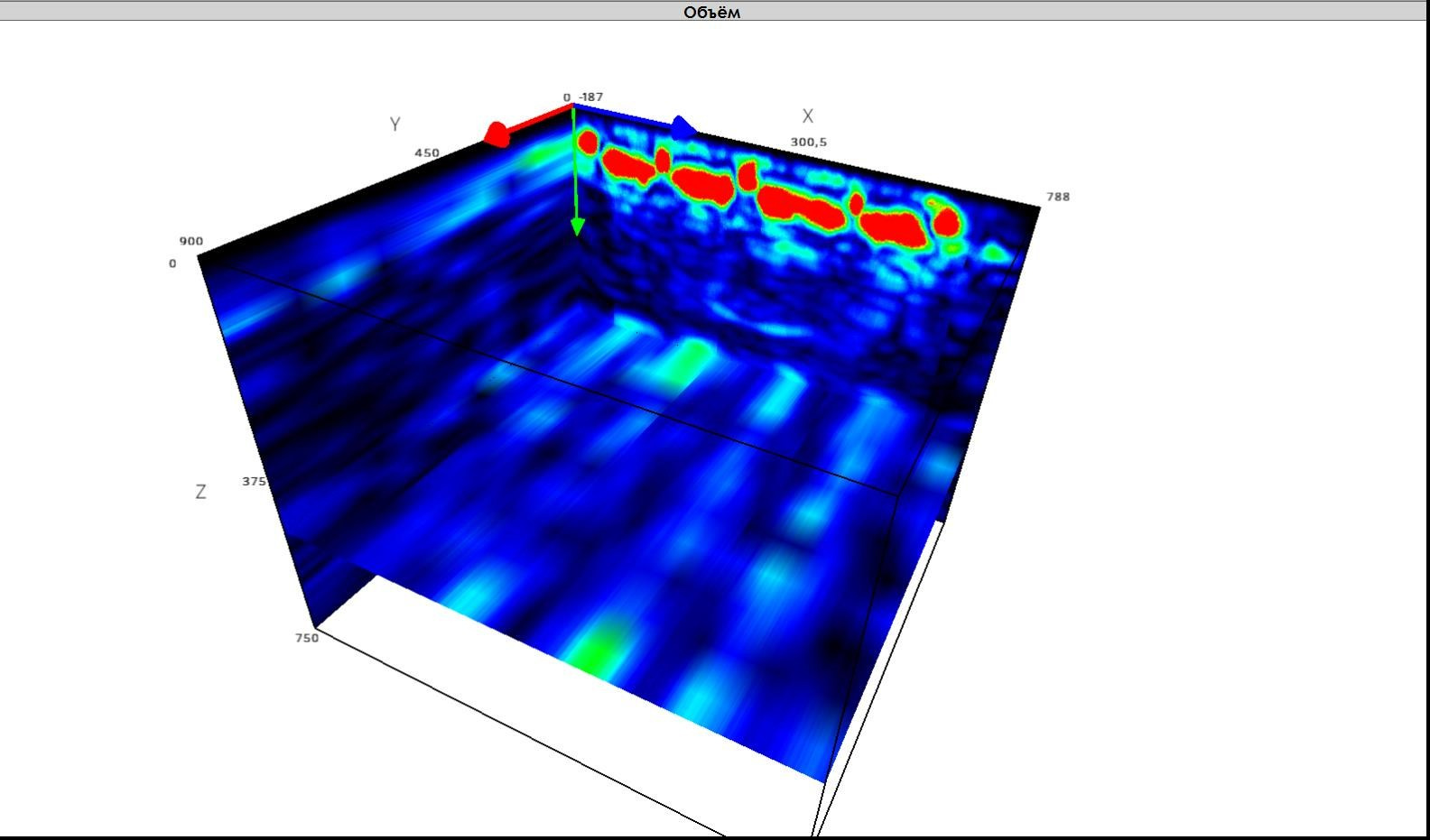
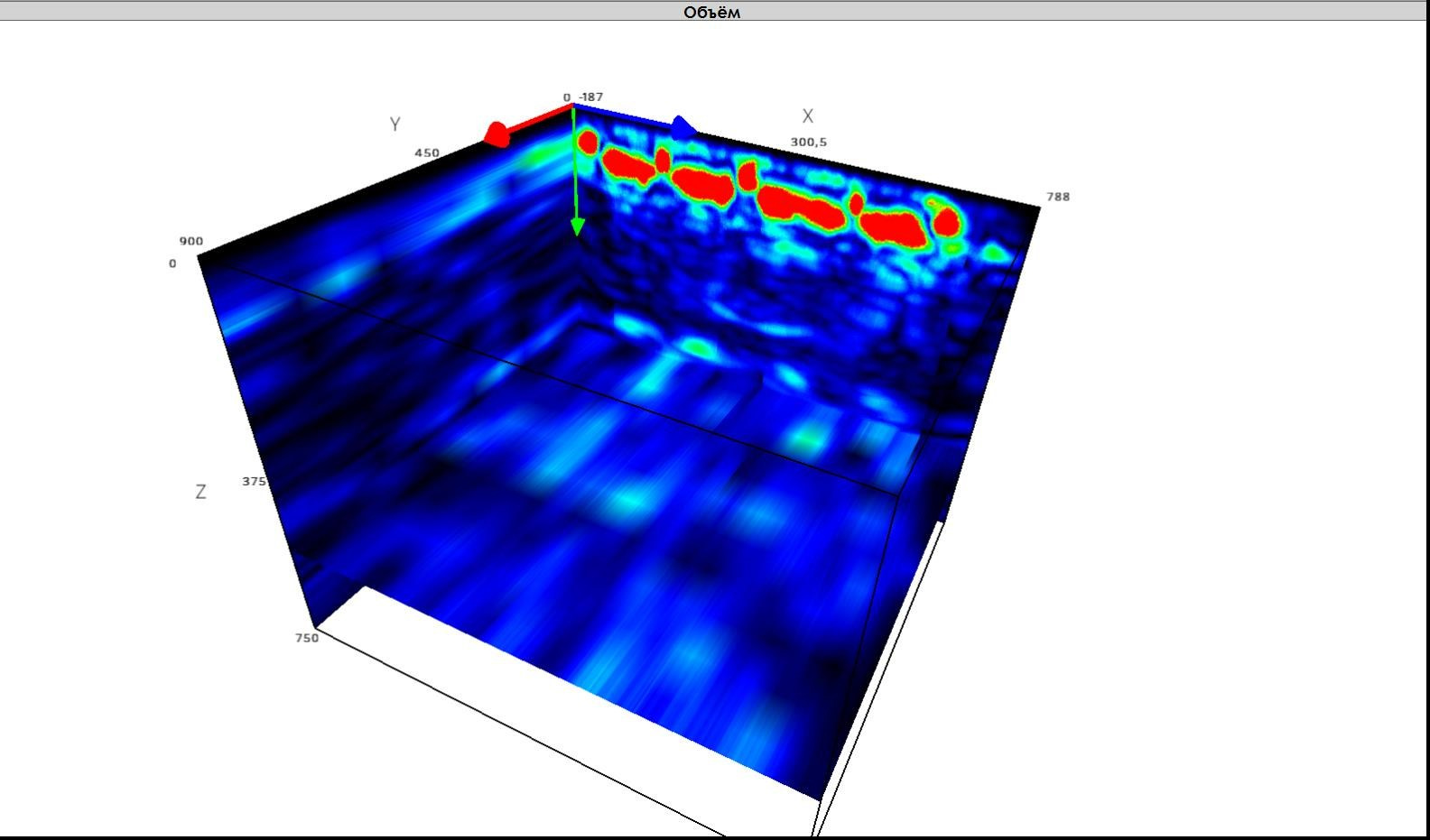
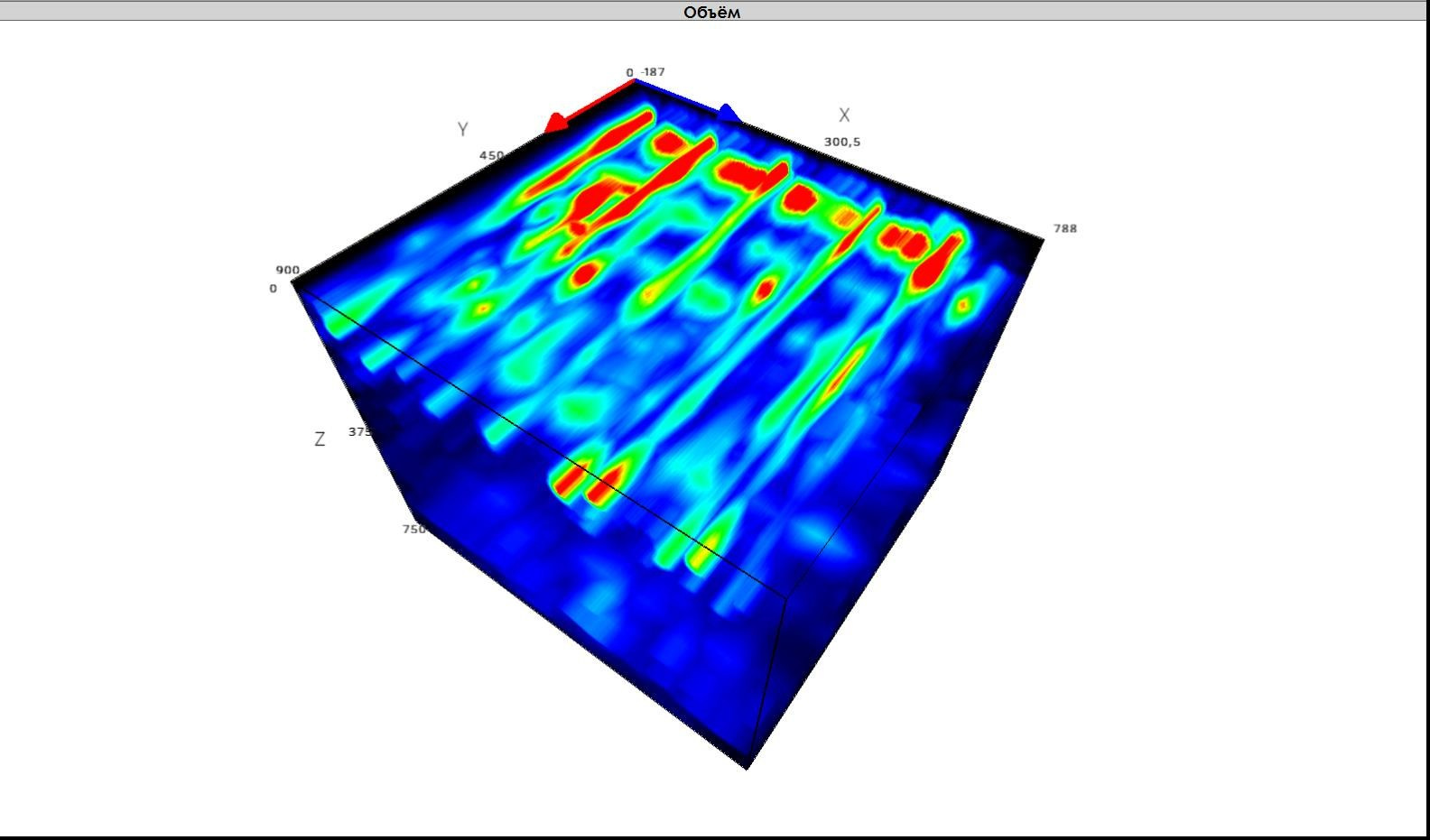
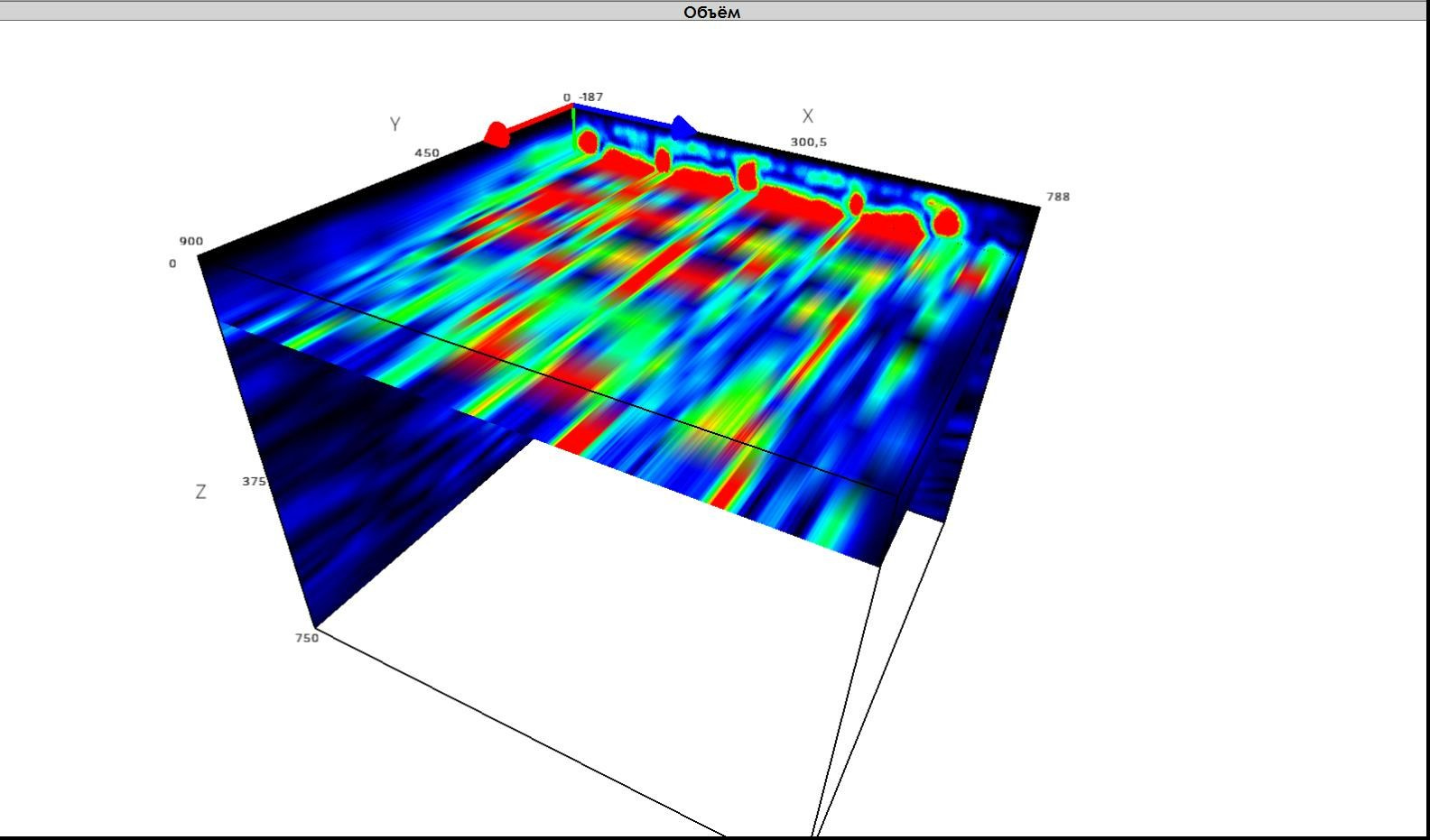
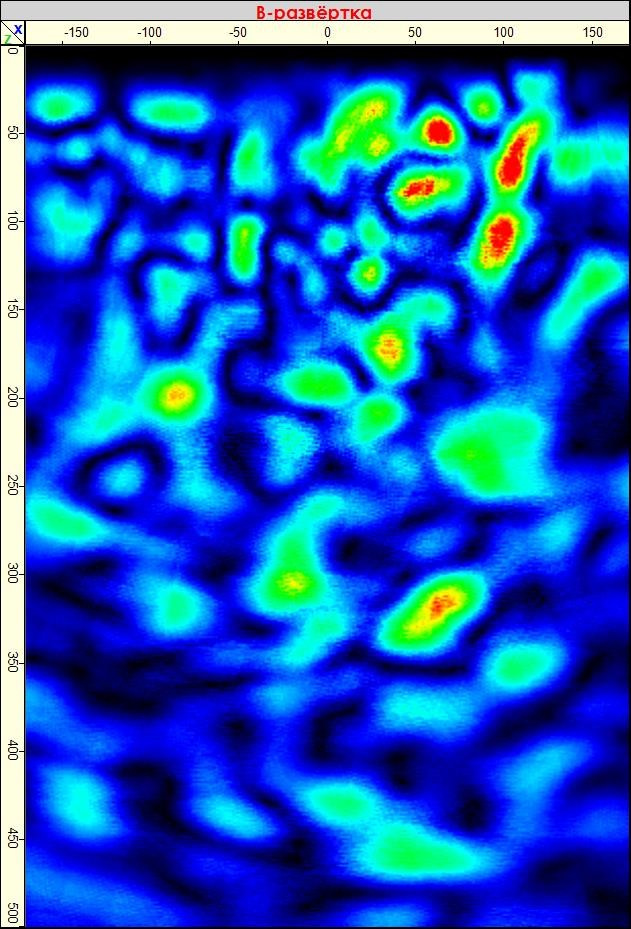
Sampling determination of reinforcement parameters (spacing of main and additional reinforcement bars) in reinforced concrete structures of the foundation slab, 600 mm thick, and verification of their compliance with requirements of Working Documentation (WD) and applicable regulatory documentation.
WORK PURPOSE
The purpose of the work was to determine the reinforcement parameters (spacing of main and additional reinforcement bars) in reinforced concrete structures of the foundation slab, 600 mm thick, and to verify their compliance with requirements of Working Documentation (WD) and applicable regulatory documentation.
METHODOLOGY
During the work conducted to determine the reinforcement parameters (spacing of main and additional reinforcement bars) in reinforced concrete structures of the foundation slab, 600 mm thick.
INSTRUMENTS AND TOOLS
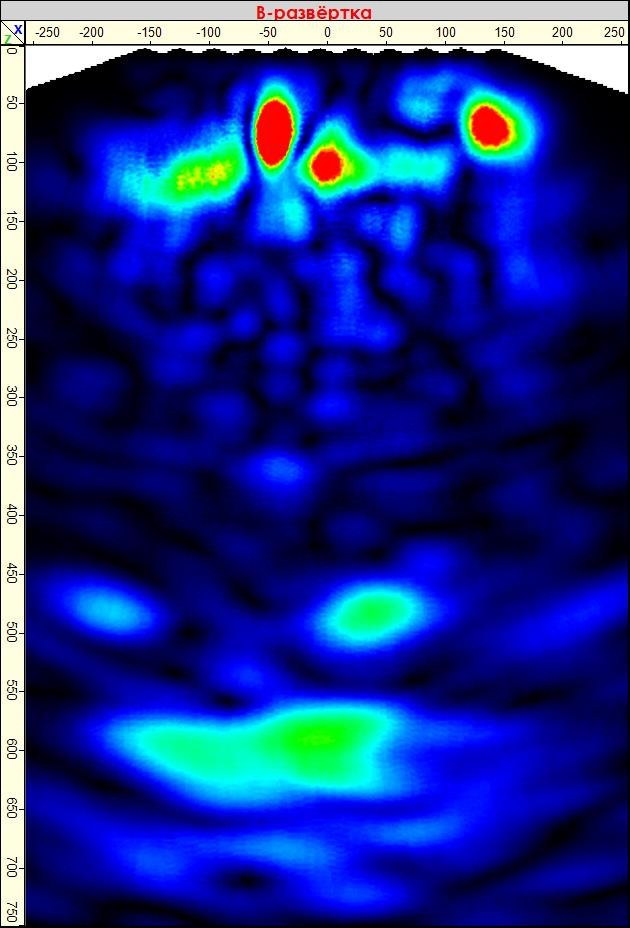
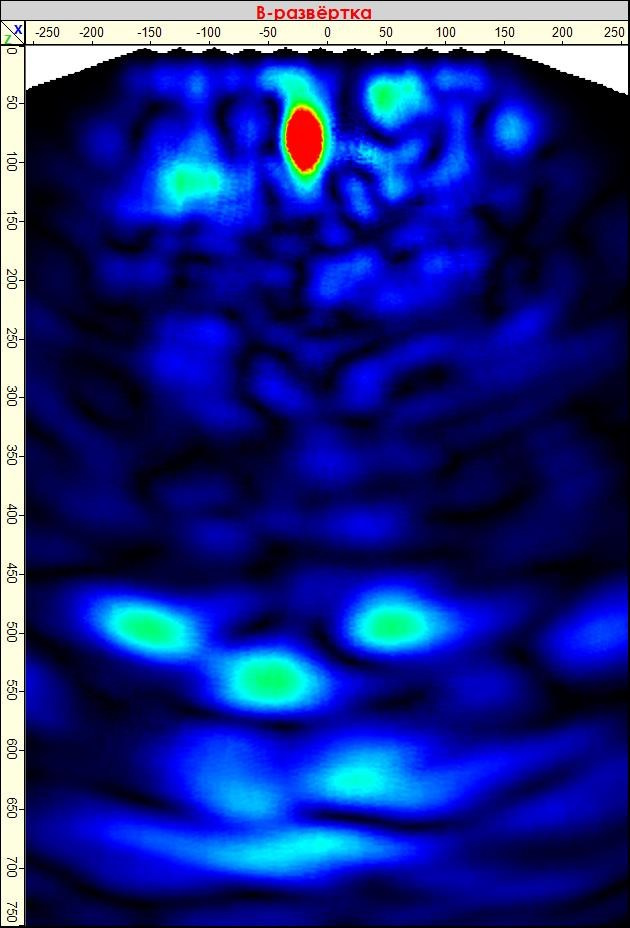
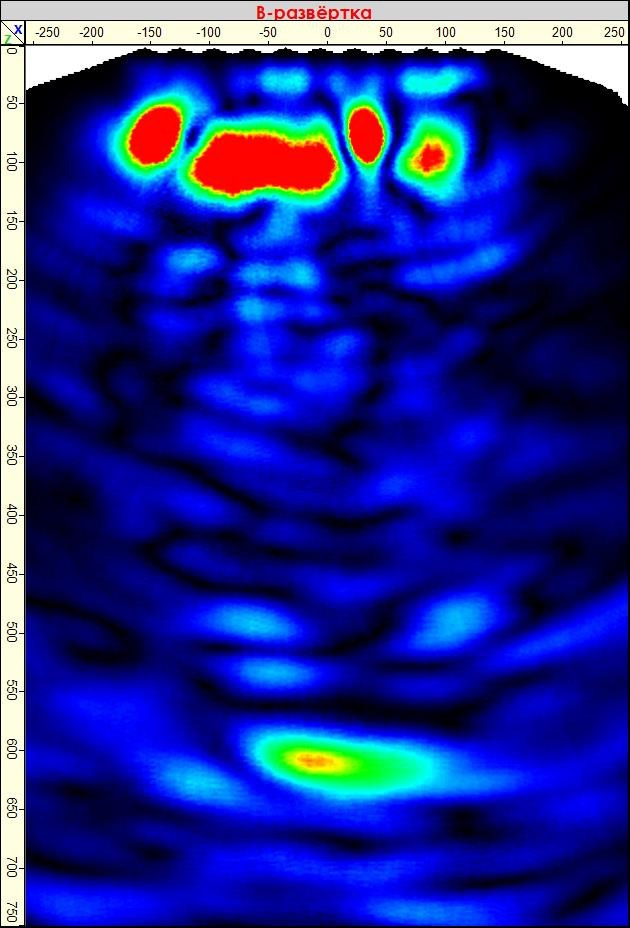
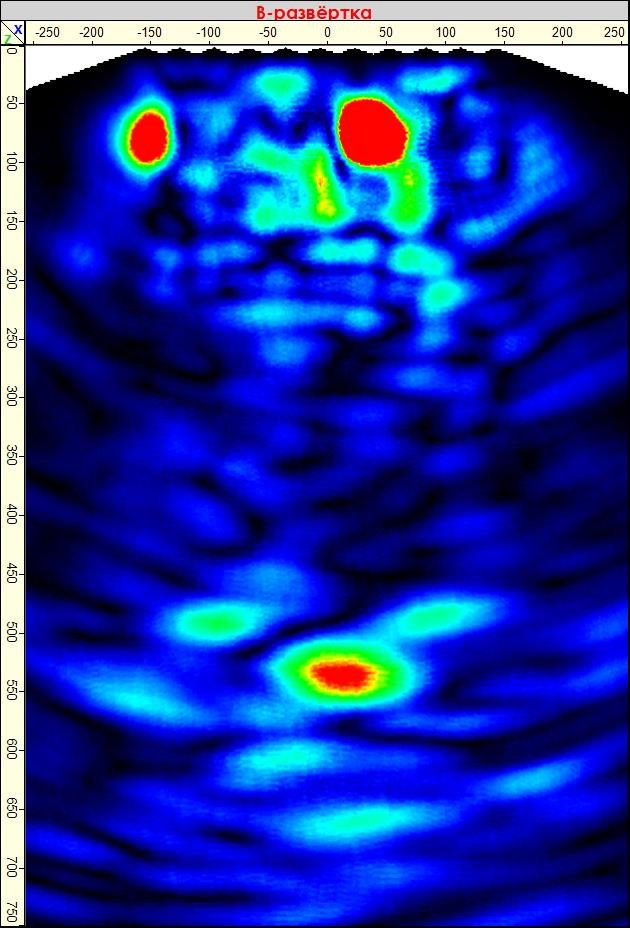
Low-frequency ultrasonic tomograph A1040 MIRA CONCLUSIONS Based on the results of the work to determine the reinforcement parameters (spacing of main and additional reinforcement bars) in reinforced concrete structures of the foundation slab, 600 mm thick, the following conclusions were made:
— The actual spacing of main and additional reinforcement bars in the foundation slab at the inspection areas, considering permissible deviations according to SP 70.13 330, corresponds to the requirements of Working Documentation (WD).
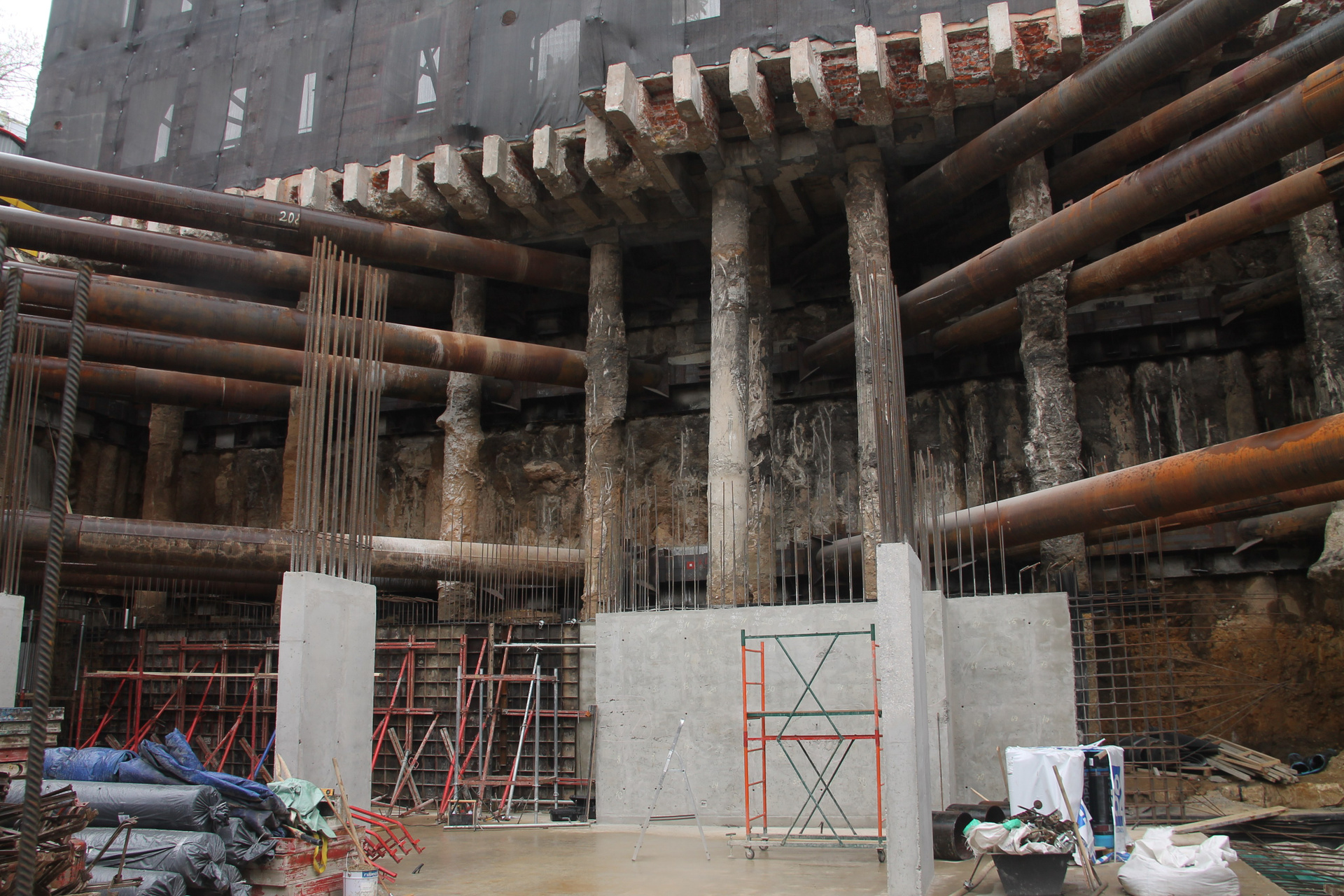
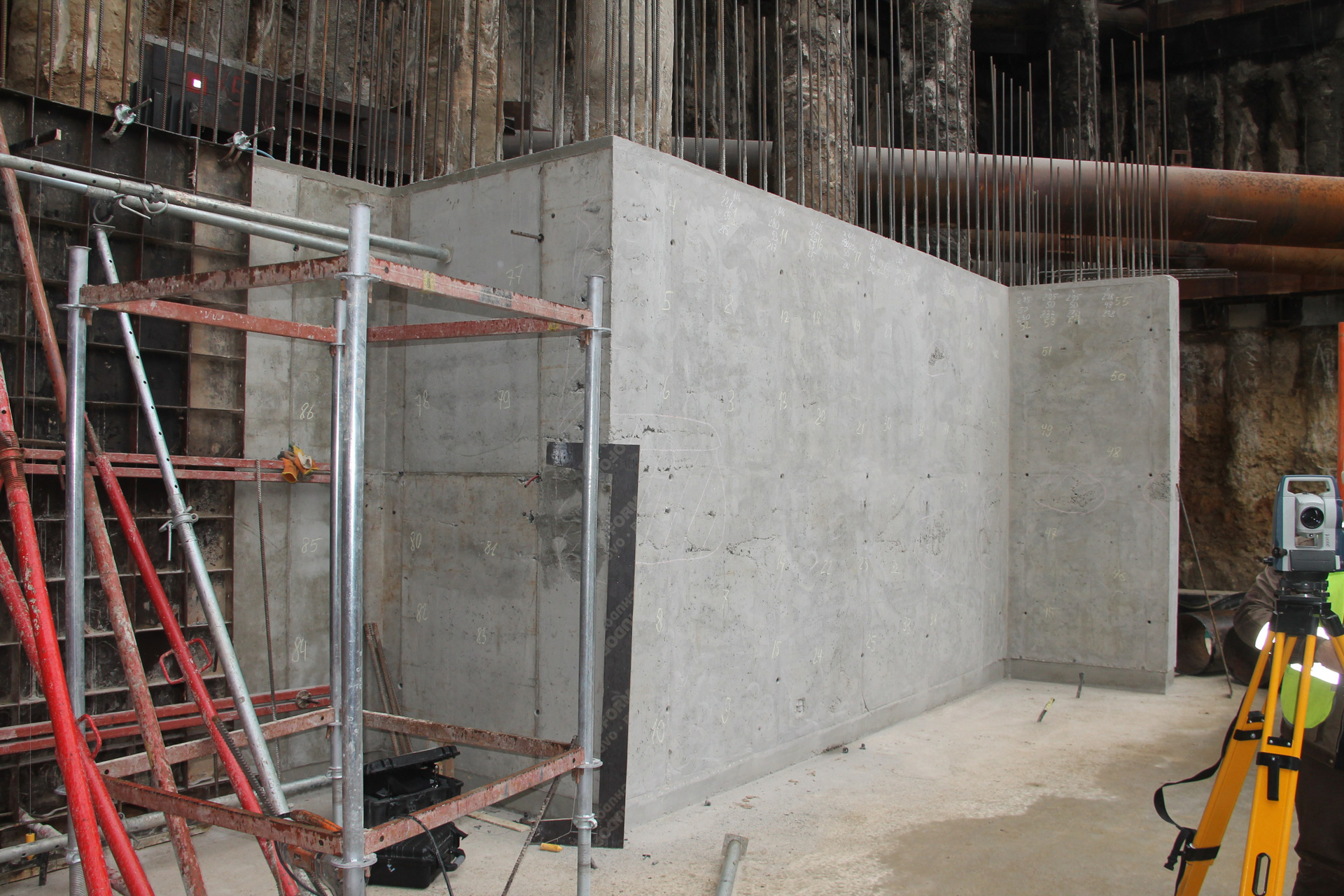
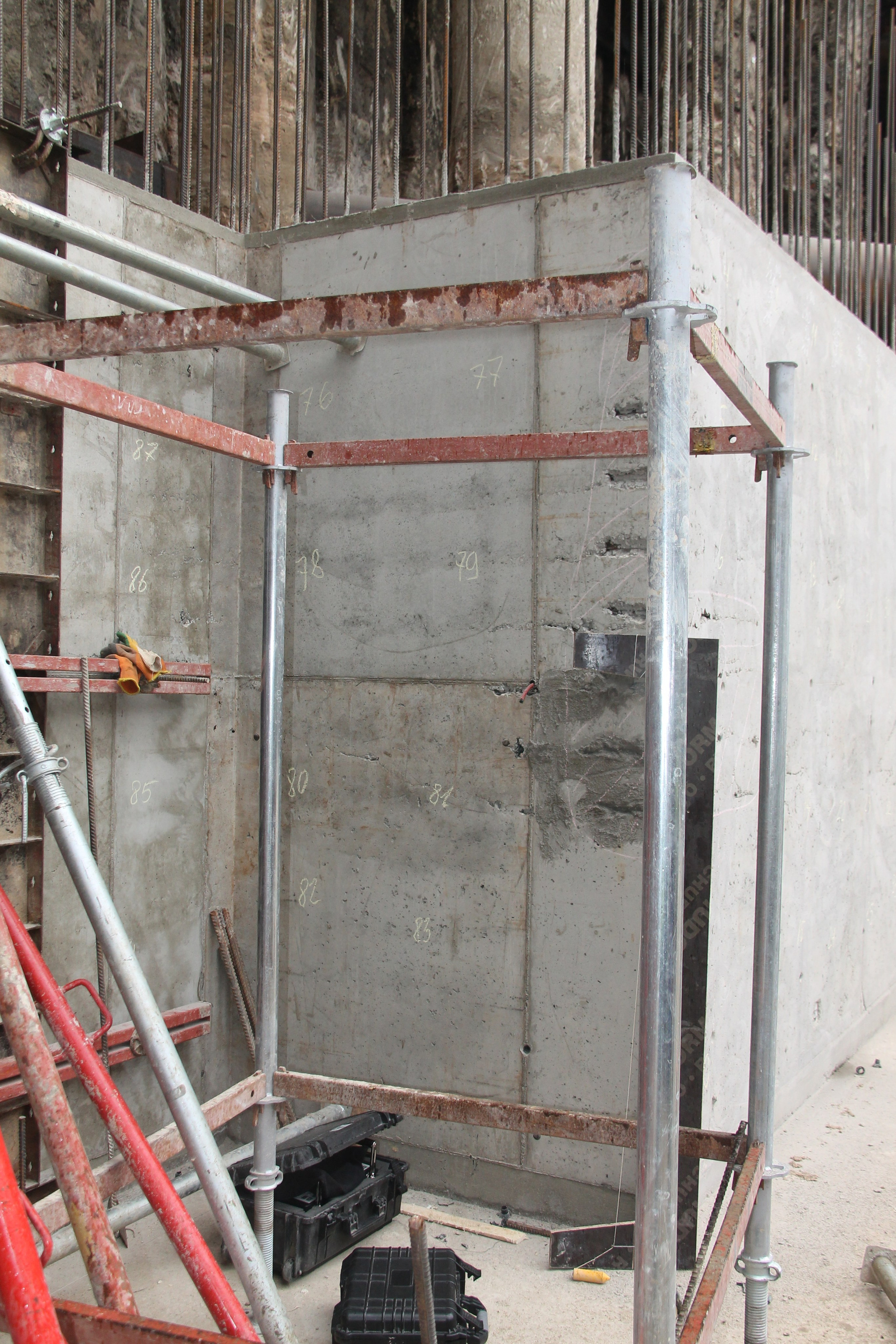
OBJECT
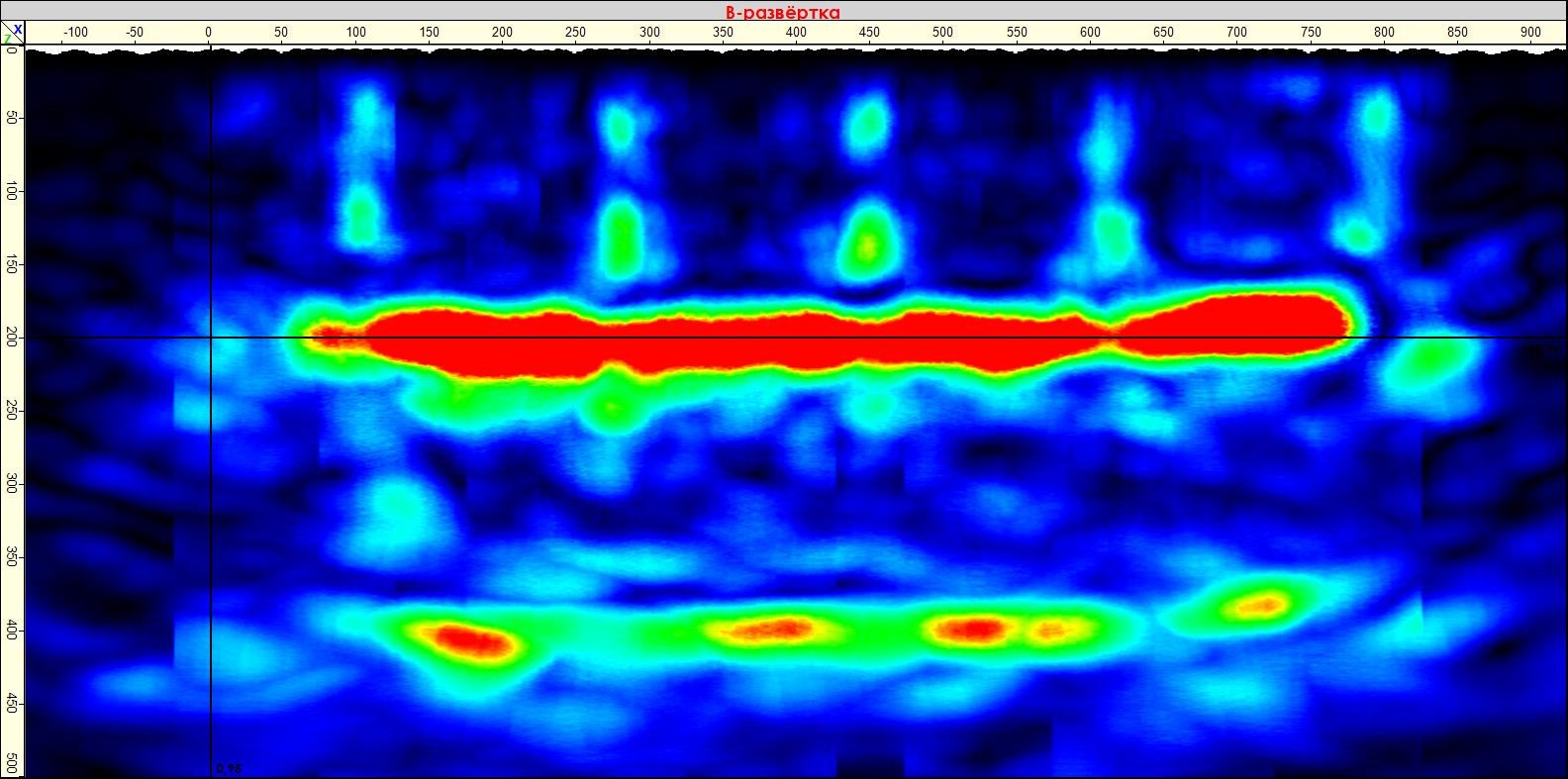
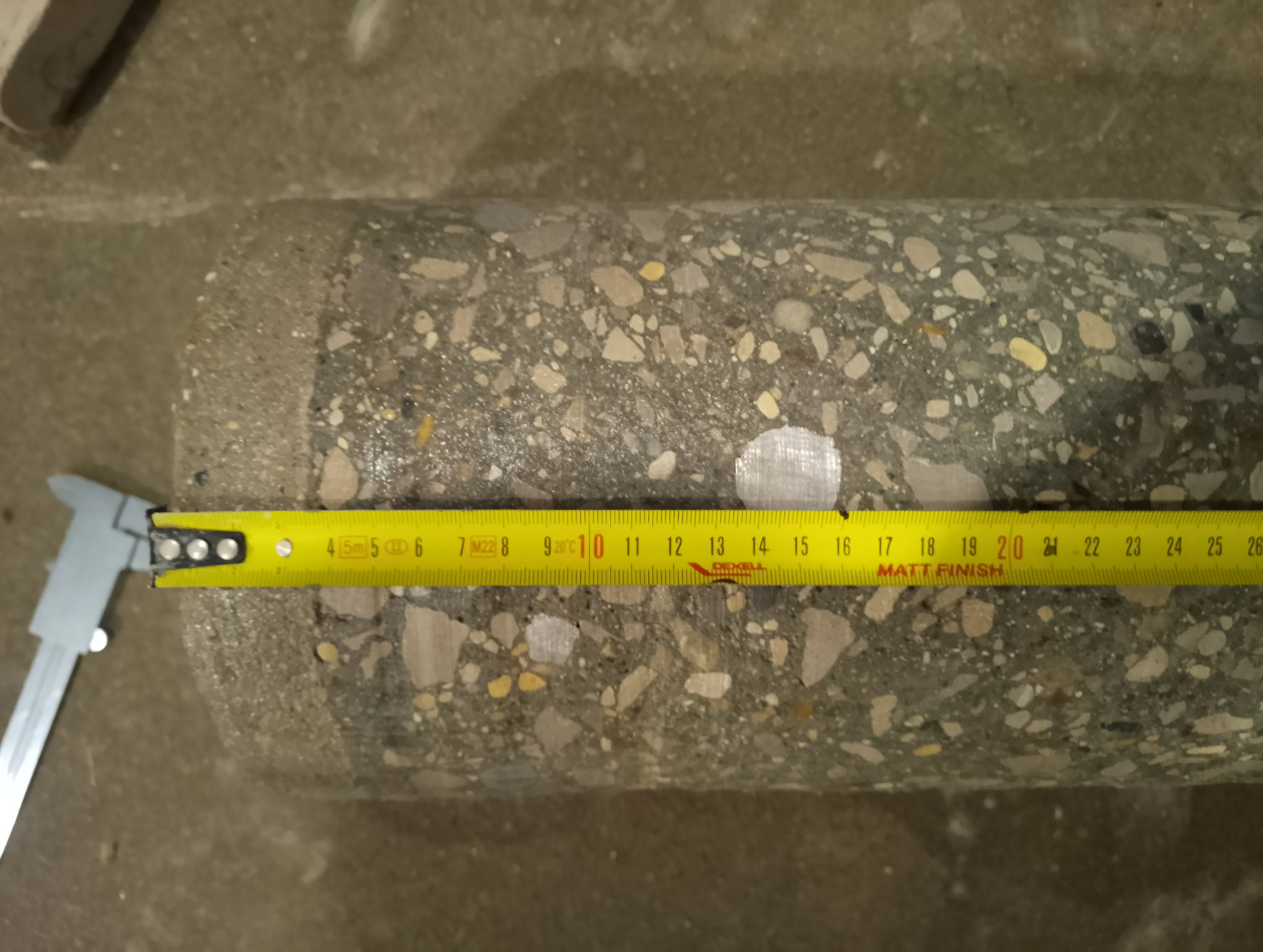
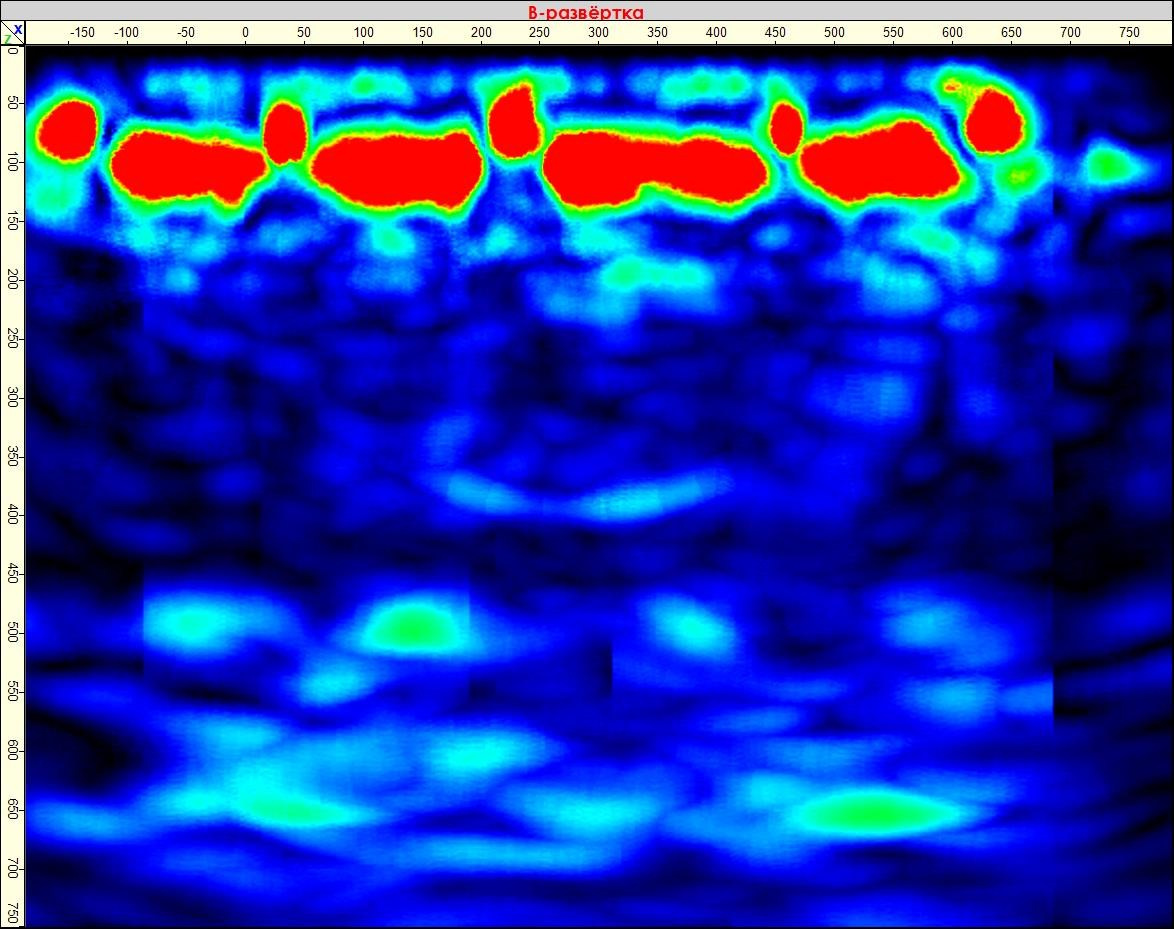
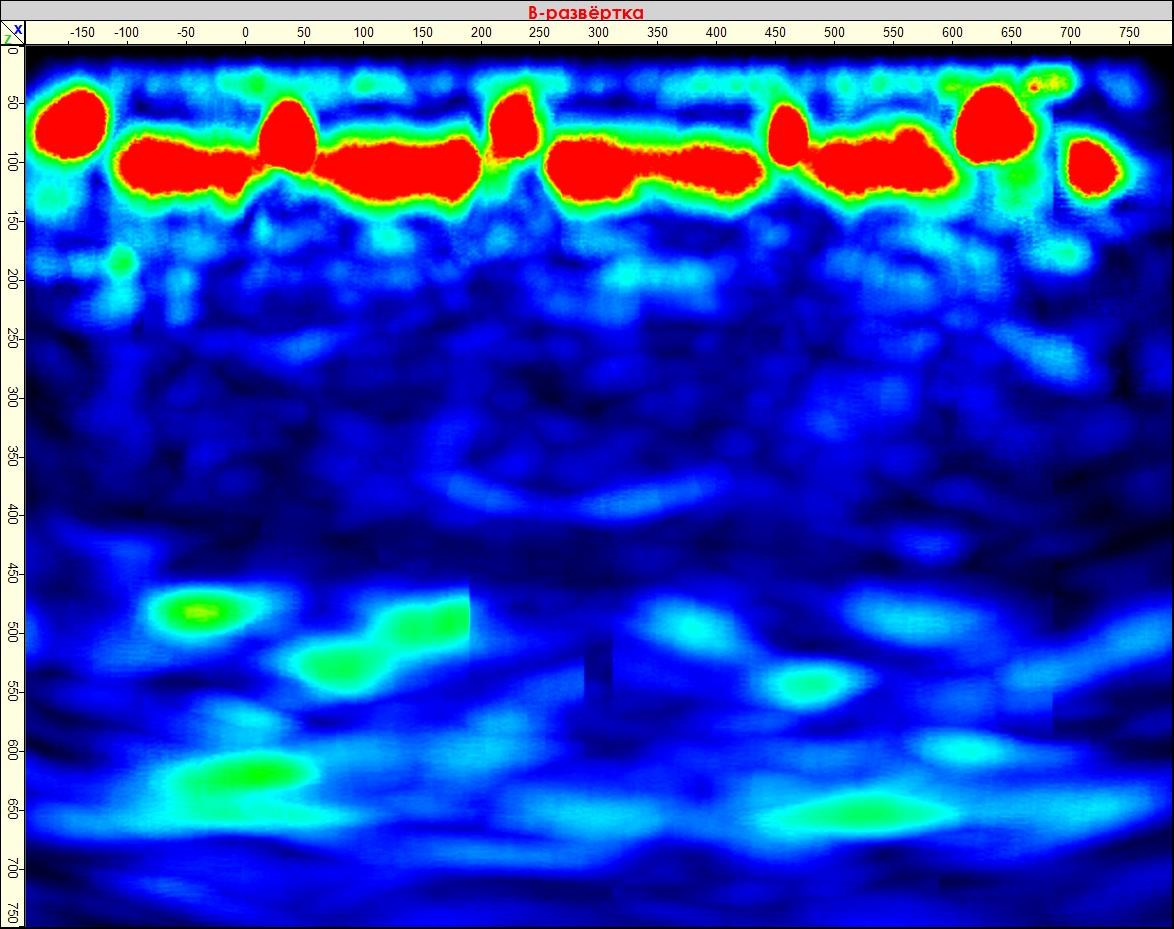
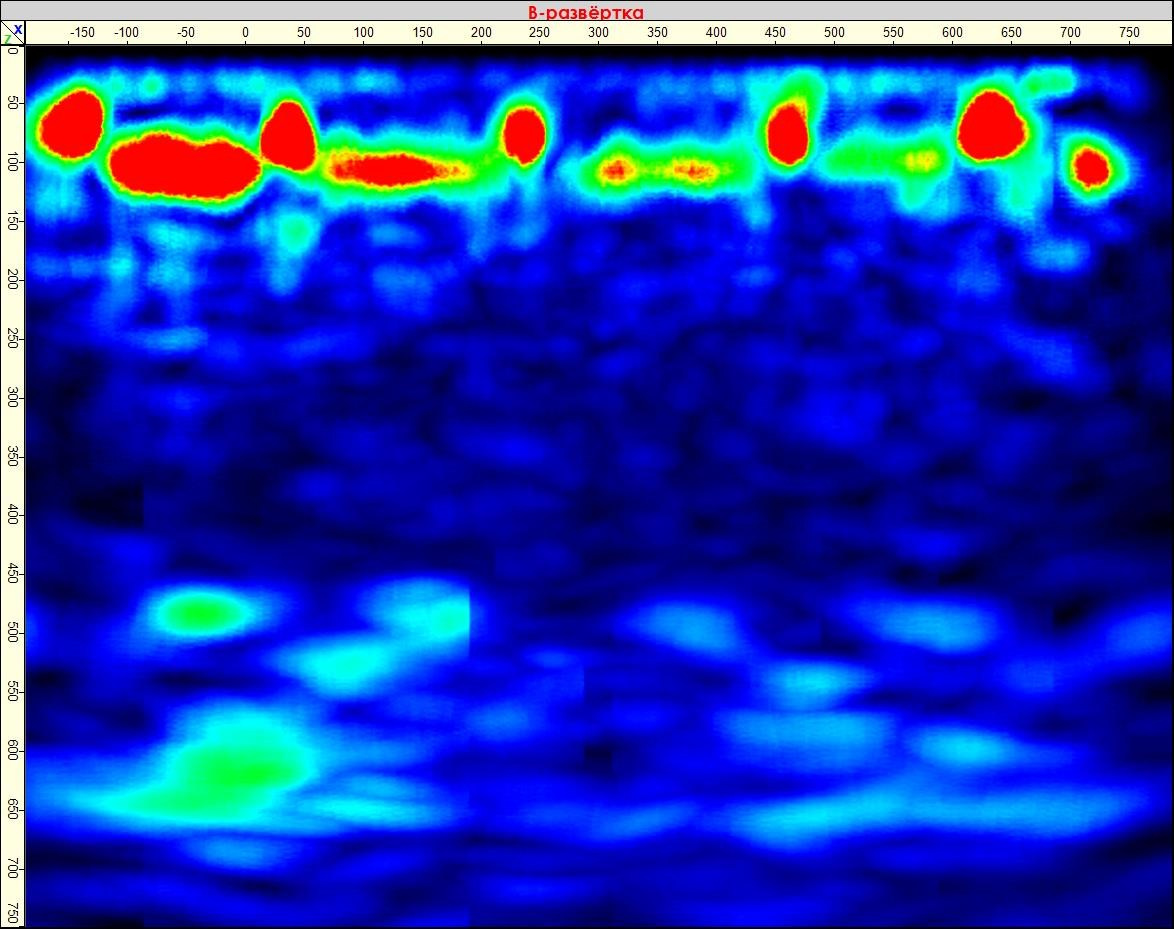
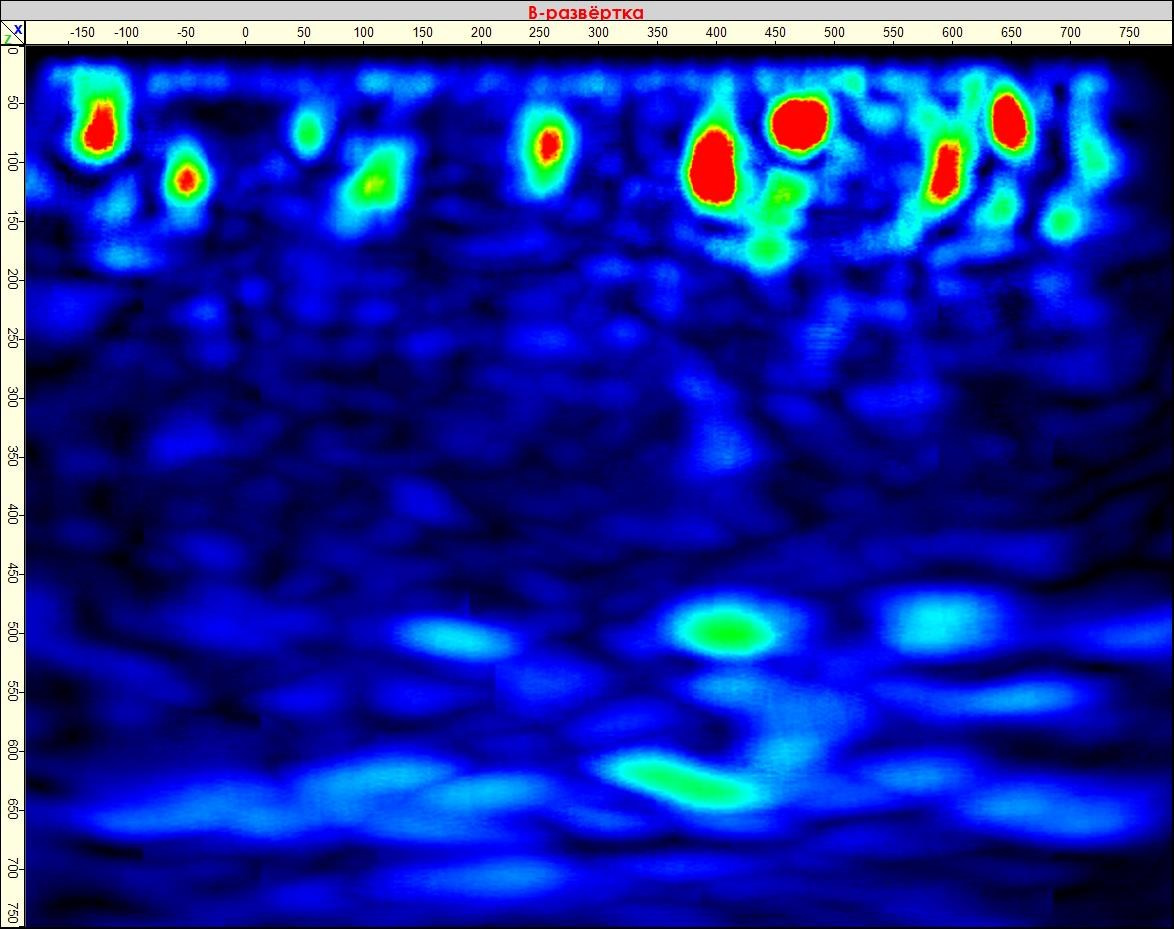
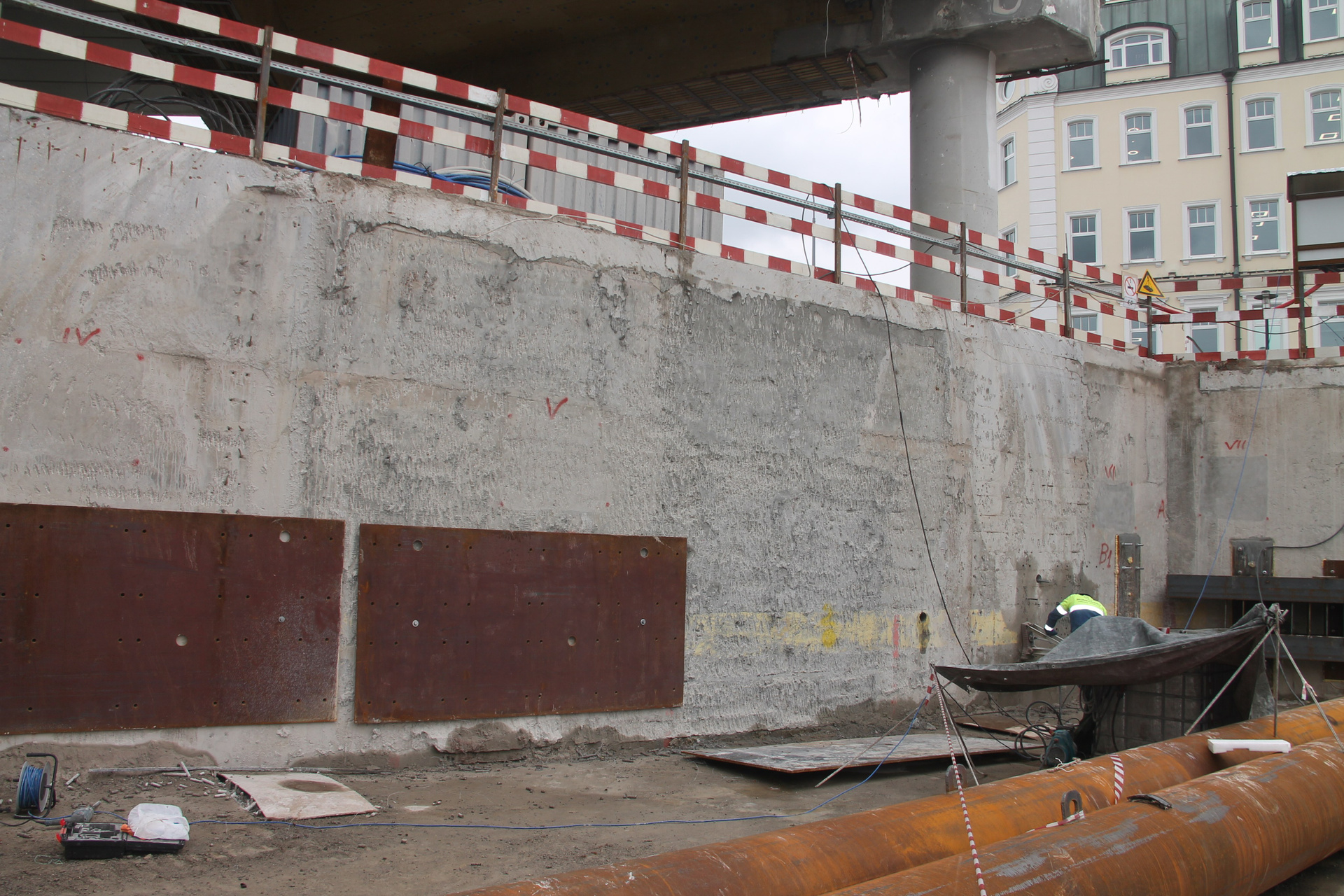
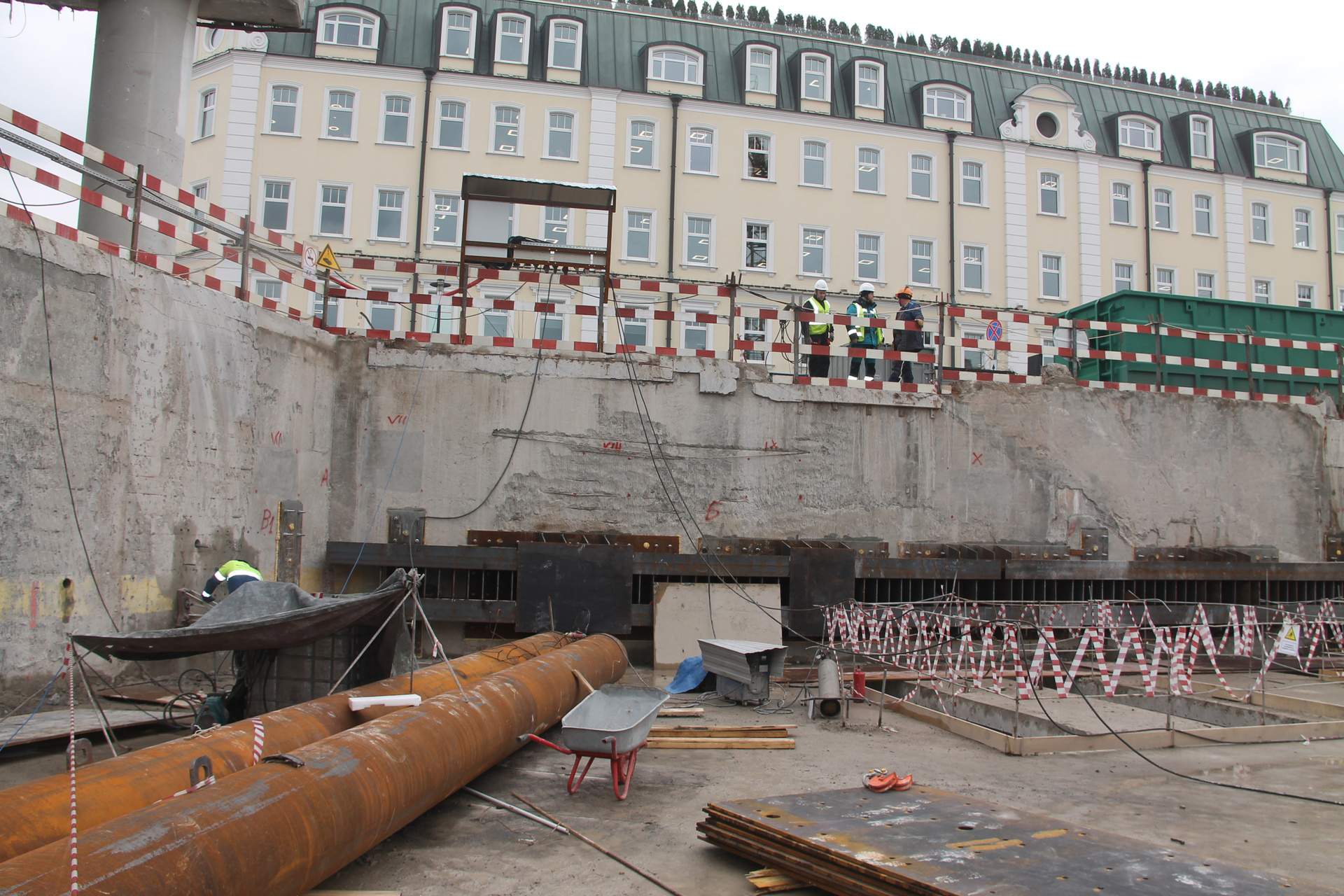
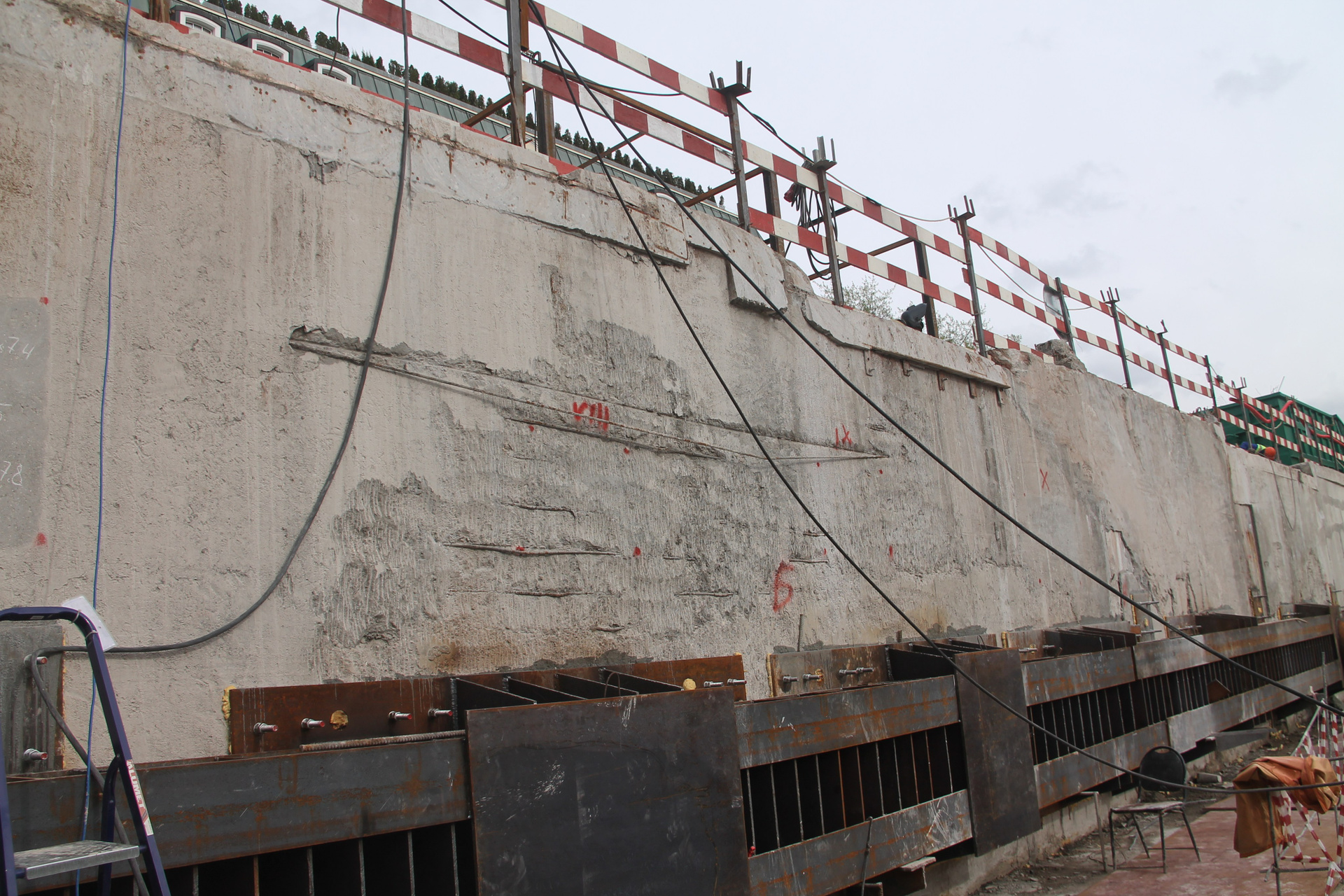
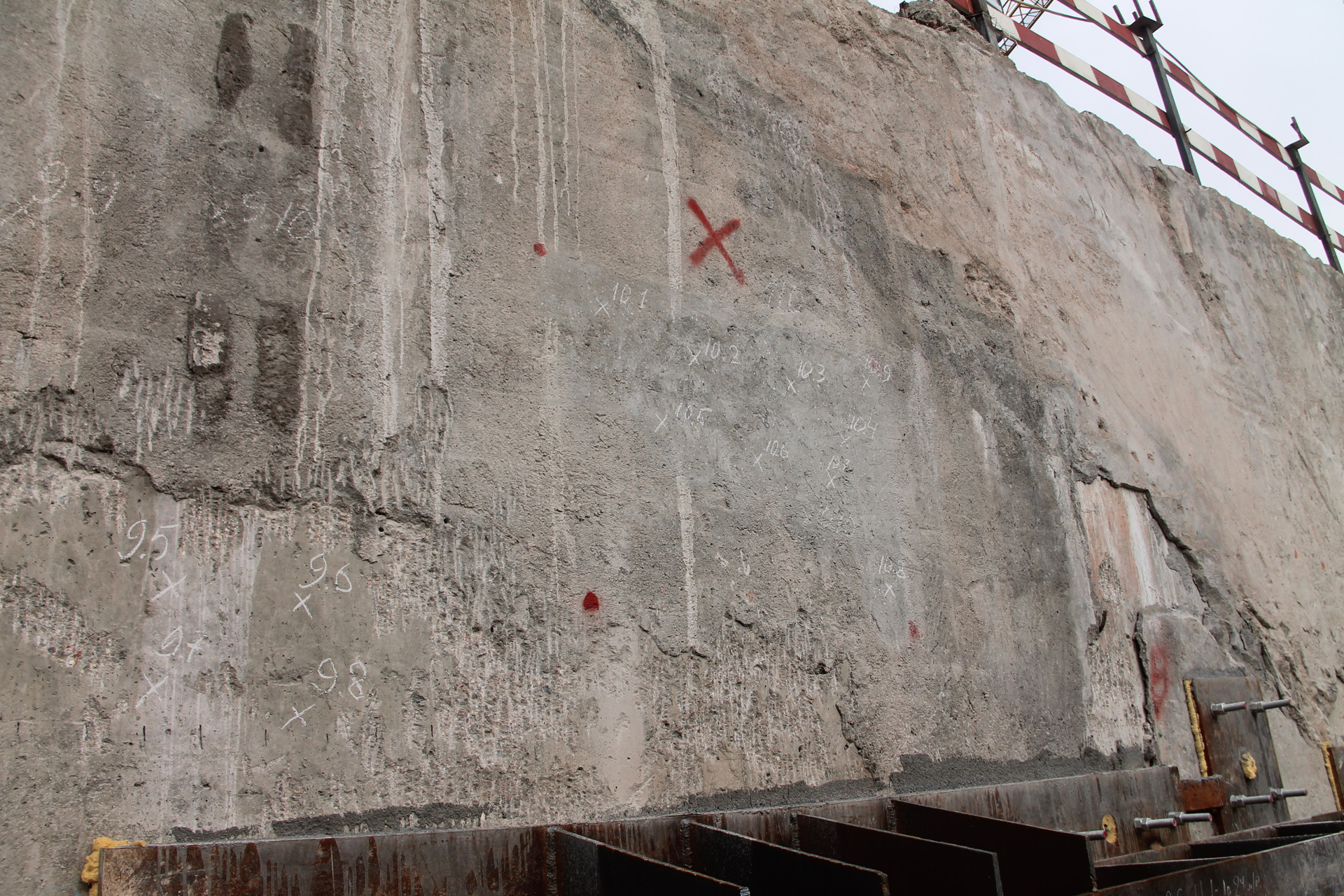
Monolithic reinforced concrete retaining wall, 300 mm thick, with a shotcrete layer of 10-50 mm.
PURPOSES AND OBJECTIVES
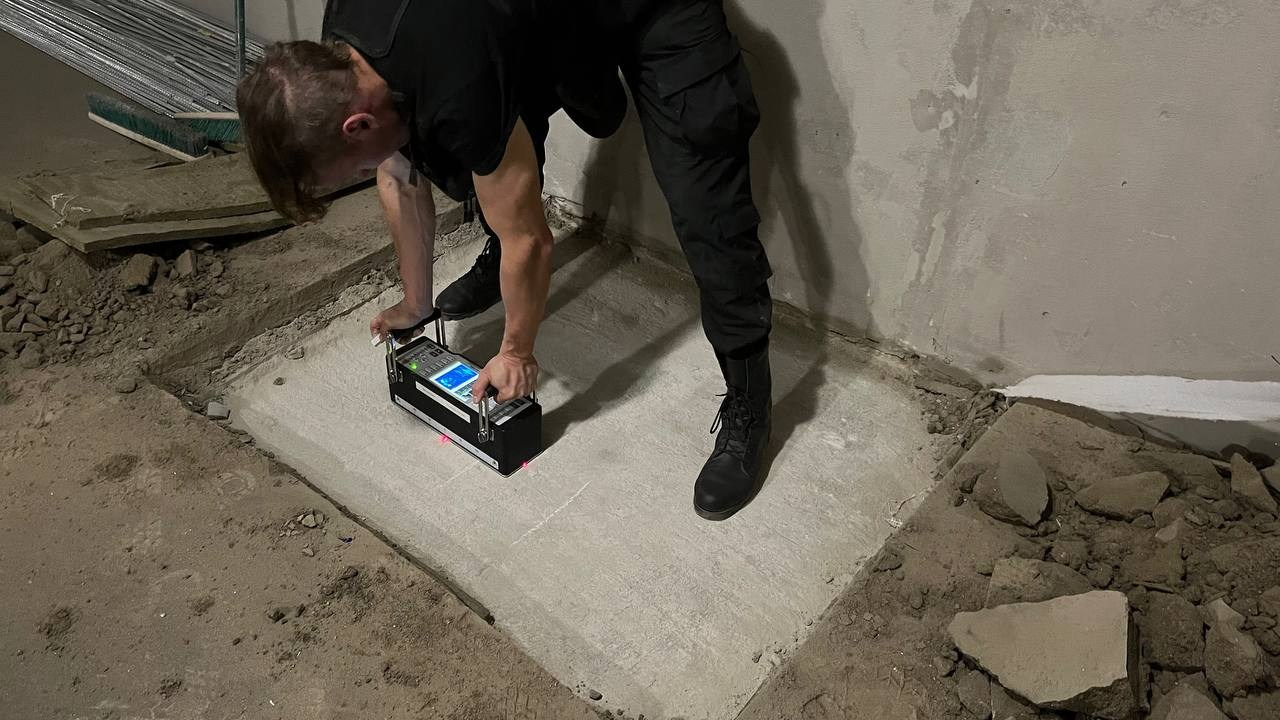
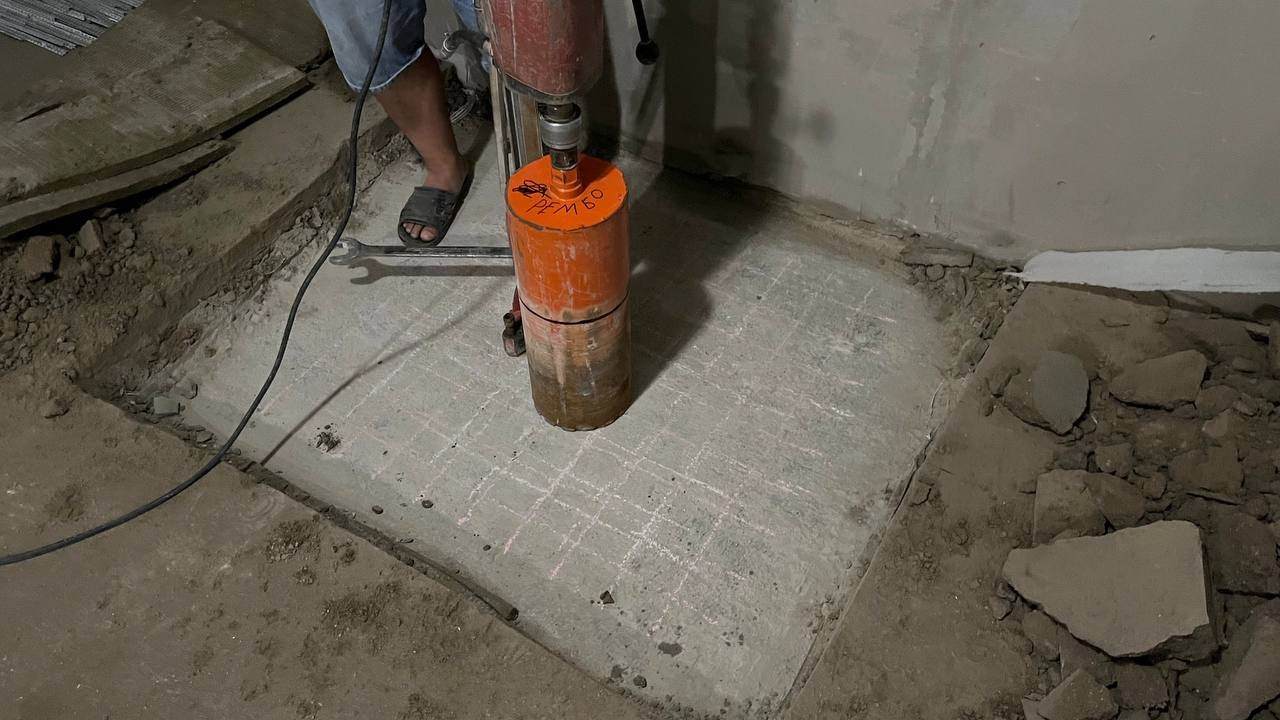
Sampling determination of internal concrete structure defects in the monolithic reinforced concrete retaining wall with shotcrete layer, 300 mm thick, with single-sided access to structures.
WORK PURPOSE
The purpose of the work was to determine the presence of hidden defects in the internal concrete structure (voids, delaminations, foreign objects (debris), etc.) in the vertical load-bearing reinforced concrete structures of the retaining wall with a 10-50 mm shotcrete layer, with single-sided access to structures.
METHODOLOGY
During the work conducted to determine the presence of hidden defects in the internal concrete structure (voids, delaminations, foreign objects (debris), etc.) in the vertical load-bearing reinforced concrete structures of the retaining wall, 300 mm thick, with a shotcrete layer of 10-50 mm. INSTRUMENTS AND TOOLS
Low-frequency ultrasonic tomograph A1040 MIRA
CONCLUSIONS
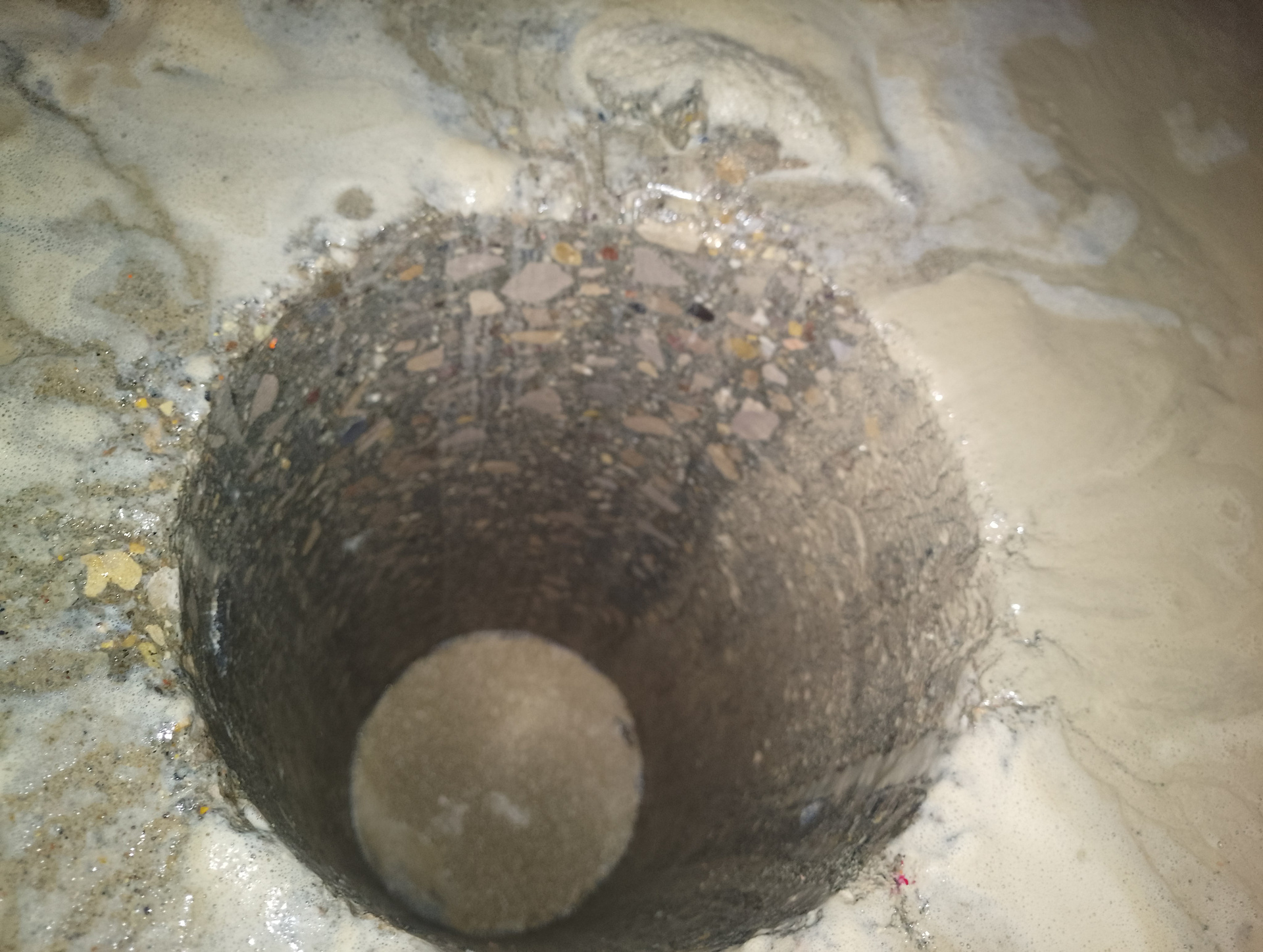
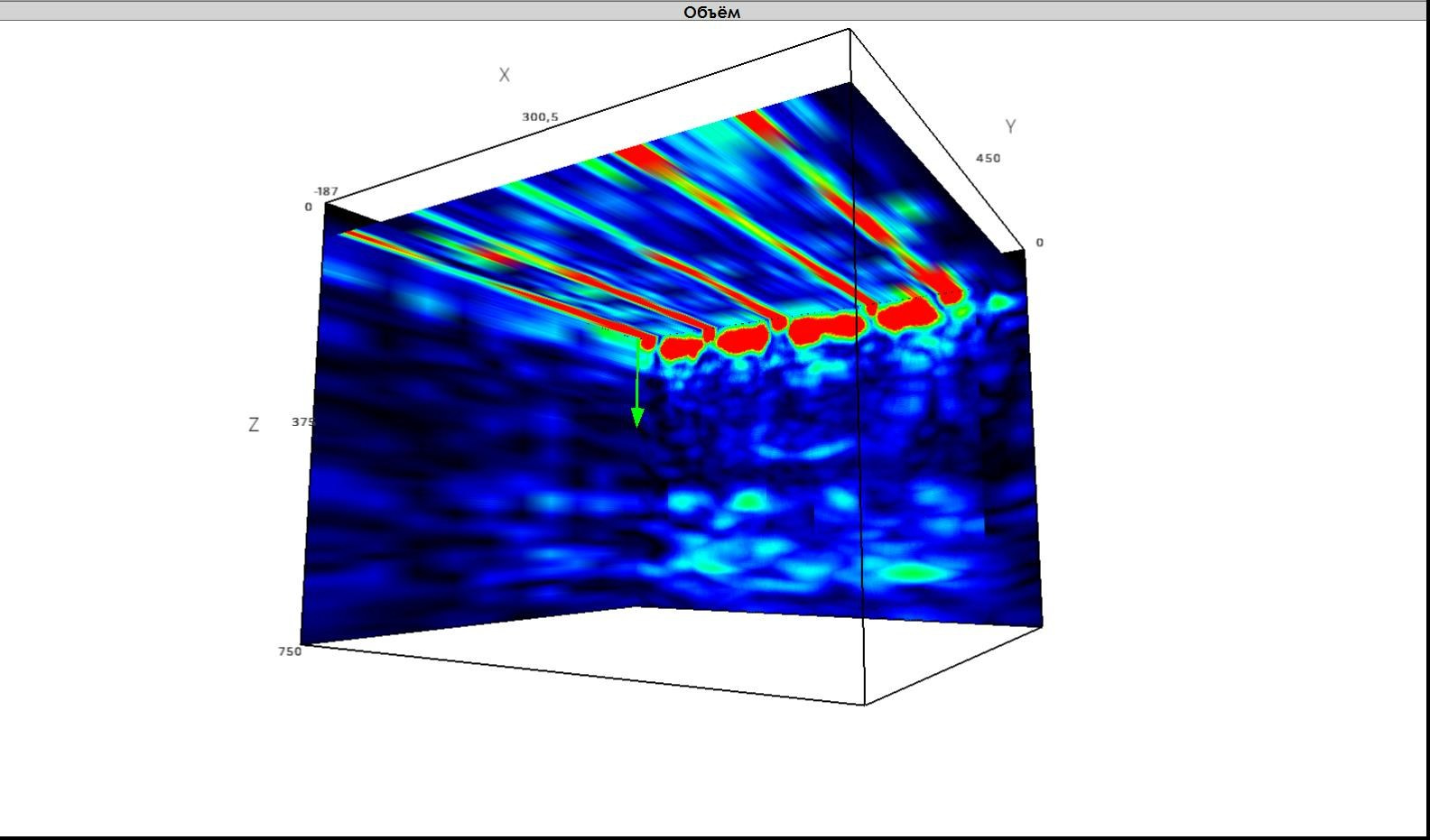
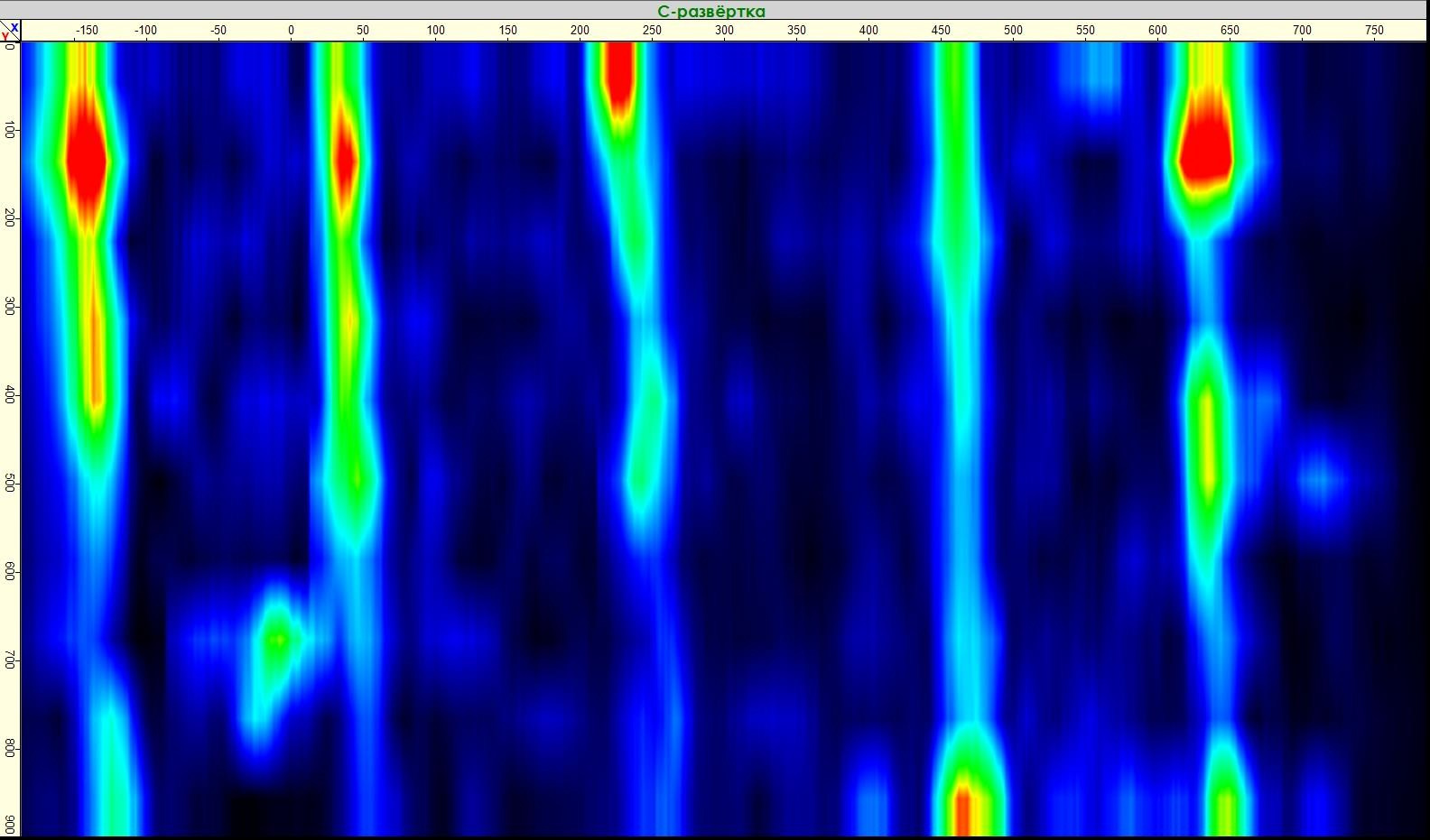
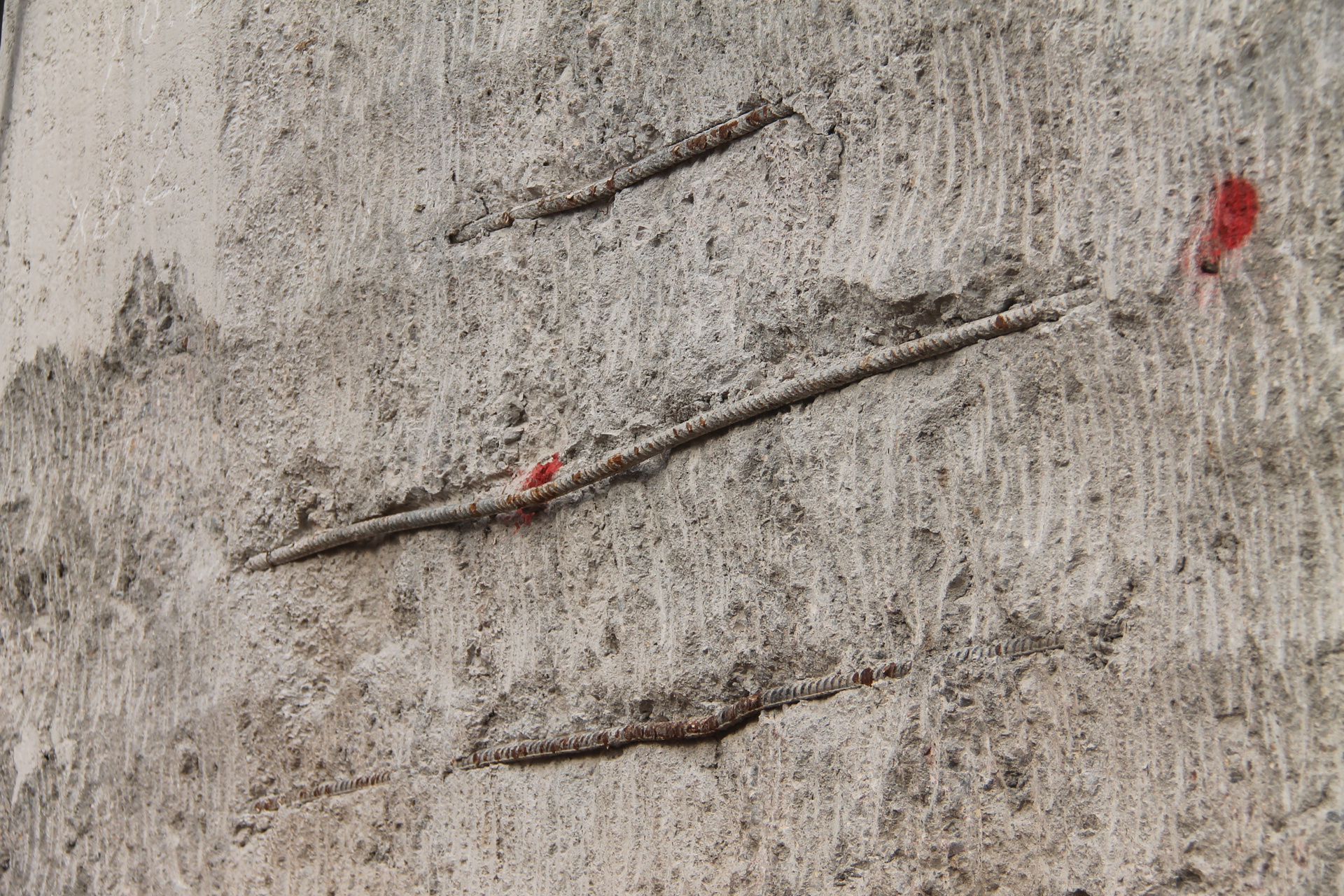
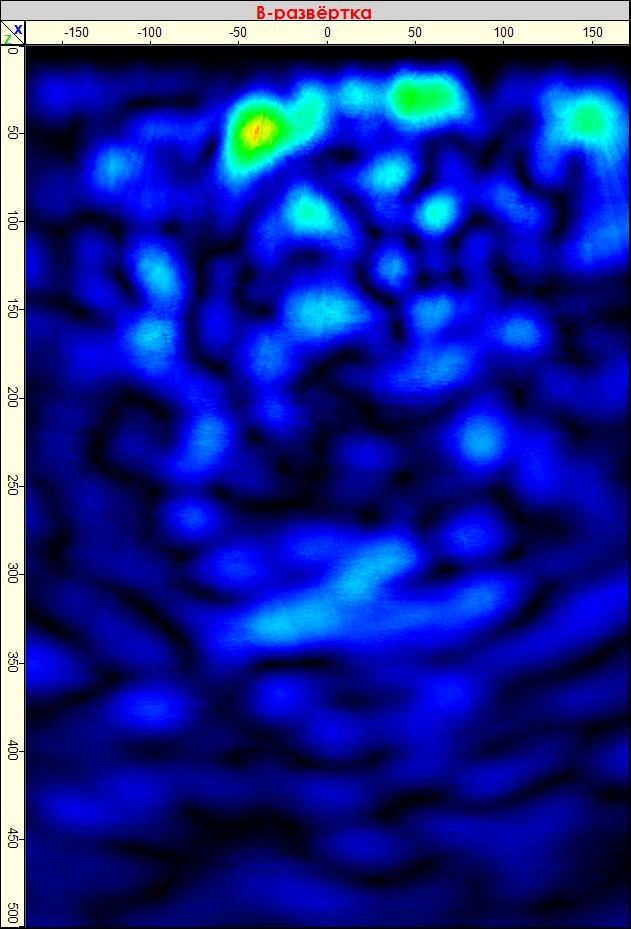
Based on the results of the work to determine the presence of hidden defects in the internal concrete structure (voids, delaminations, foreign objects (debris), etc.) in the vertical load-bearing reinforced concrete structures of the retaining wall, 300 mm thick, with a shotcrete layer of 10-50 mm, the following conclusions were made:
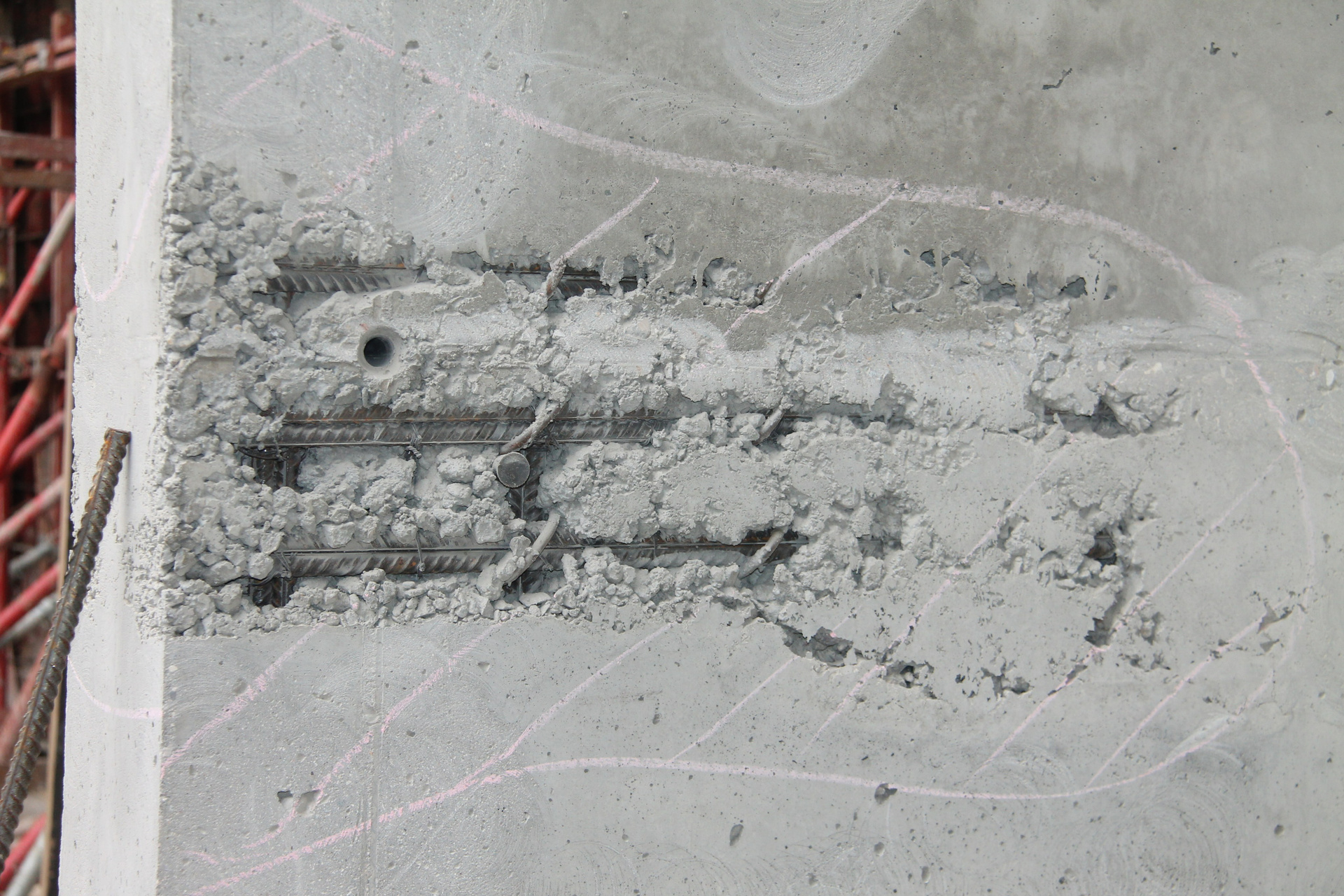
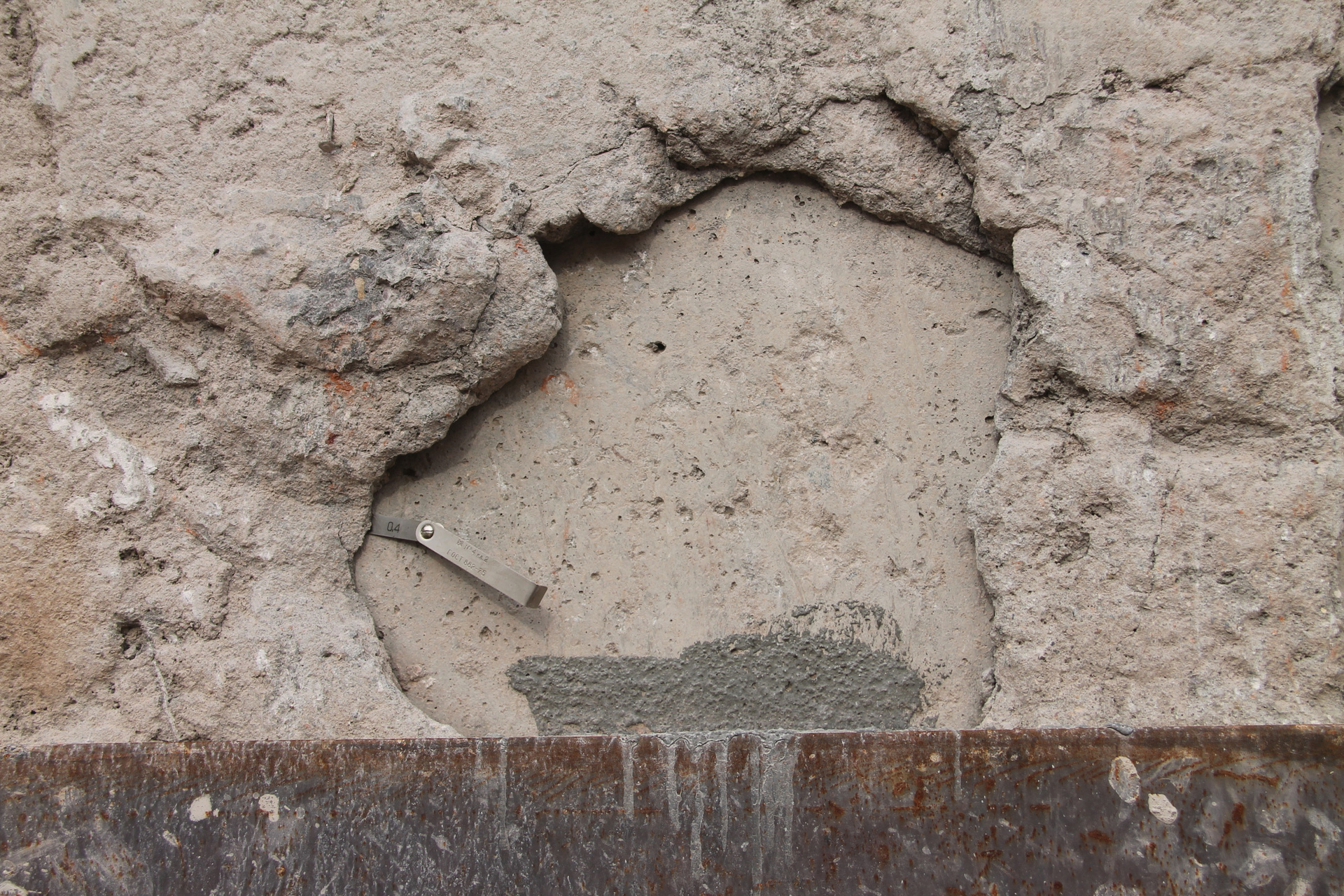
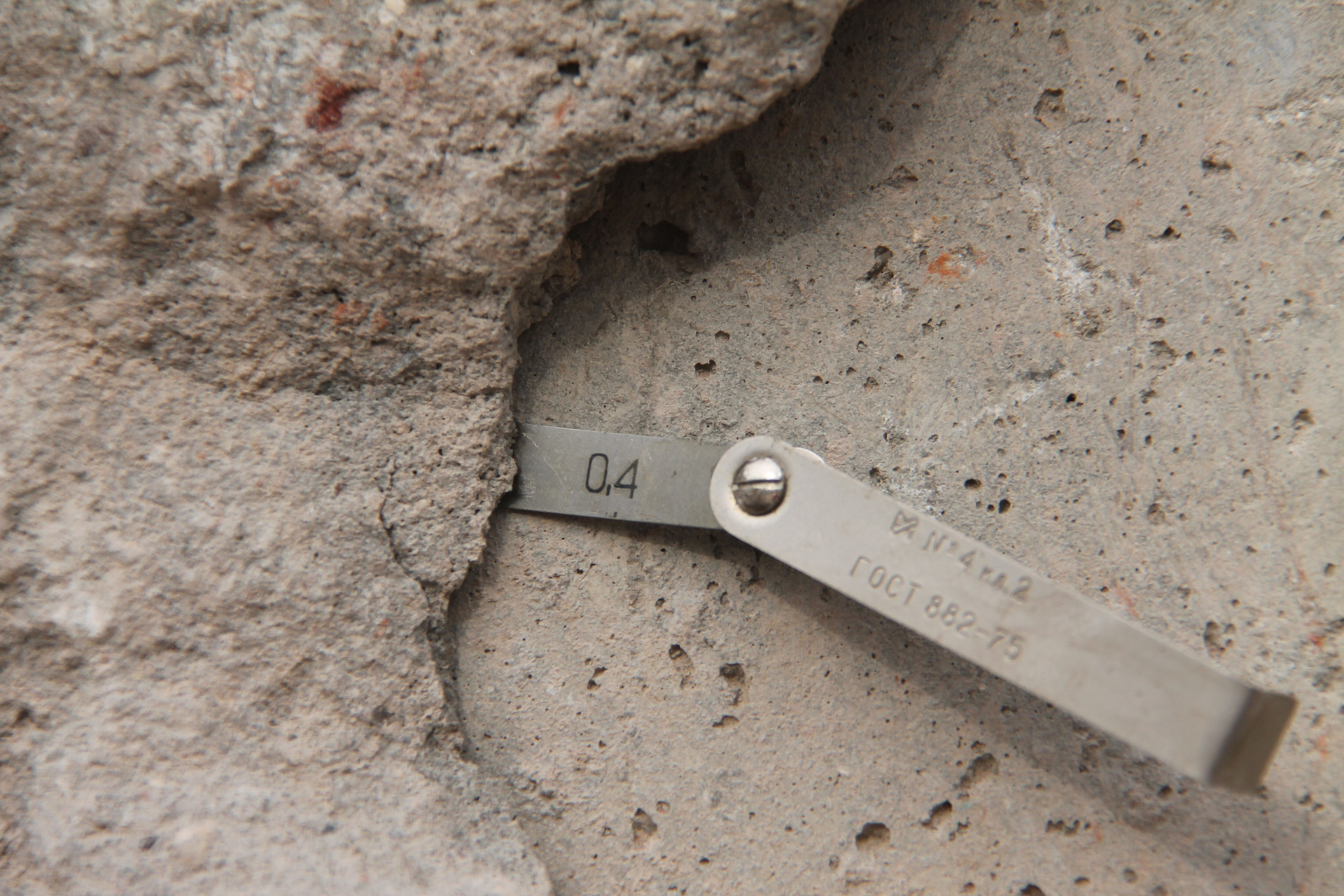
— Adhesion failures between the shotcrete layer and the substrate (adhesive bond in the contact zone) were detected, with delamination of the shotcrete layer;
— In certain survey areas, cavities with linear dimensions of 6-12 mm were identified within the shotcrete layer;
— In certain survey areas, cracks from plastic shrinkage during concrete hardening and delamination of the shotcrete layer were present within the shotcrete layer;
— In certain areas of the retaining wall, the concrete cover thickness was reduced (absent), with exposure of reinforcement bars;
— Determination of the retaining wall thickness (including the shotcrete layer) at the inspection area was impossible due to adhesion failures between the shotcrete layer and the substrate (adhesive bond in the contact zone) and delamination of the shotcrete layer. RECOMMENDATIONS Remove the shotcrete layer with adhesion failures to the substrate (adhesive bond in the contact zone) and delaminated shotcrete layer in specific zones. Restore and repair the concrete cover layer in the areas where the shotcrete layer of the retaining wall was removed on the -1 (first basement) floor in accordance with the requirements of applicable regulatory documents.
To submit a request for ultrasonic pulse echo tomography and ground-penetrating radar (GPR) inspection of concrete and reinforced concrete structures and structural elements of buildings and facilities, including detection of hidden internal defects in concrete (such as foreign objects, debris, voids, and cavities), determination of reinforcement parameters (bar spacing, concrete cover thickness, and rebar diameters) using the ultrasonic pulse-echo method, and measurement of thicknesses of foundation slabs, grade beams, walls, floor slabs, and roof slabs under single-sided access conditions in Russia or around the world, please fill out the form below, call us, or send a message via any of the messengers listed. We will do our best to assist you!